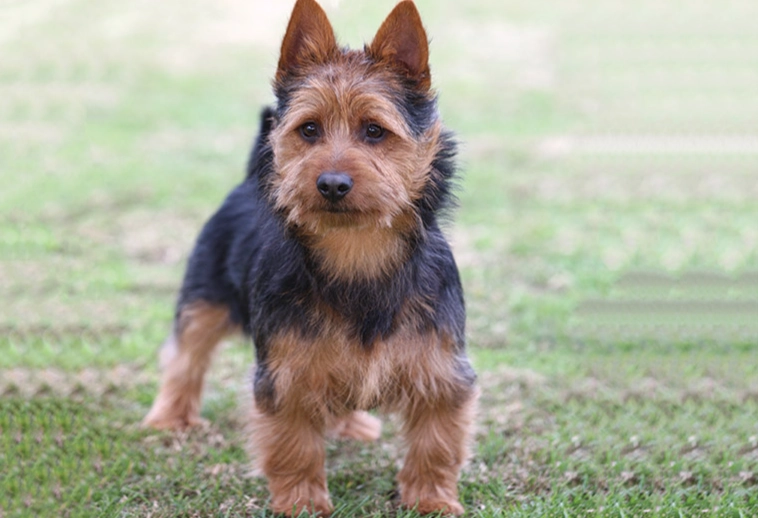
No, an Australian Terrier is not a Yorkie. They're two completely different dog breeds, and mixing them up is like confusing a pickup truck with a sports car—both are vehicles, but built for different jobs. I've seen this mistake countless times at dog parks, where owners swear their Aussie Terrier is just a "big Yorkie." Let's clear this up right away: Australian Terriers and Yorkshire Terriers (Yorkies) have distinct origins, looks, and personalities. If you're trying to decide between them, or just curious, this guide dives deep into every detail you need. First off, let's talk origins. Australian Terriers were developed in Australia in the 19th century, bred to control rodents and snakes on farms. They're one of the smallest working terriers, with a tough, no-nonsense attitude. Yorkies, on the other hand, hail from England—specifically Yorkshire—and were originally used in coal mines to catch rats. Over time, they became fashionable companion dogs for the Victorian elite. This history shapes everything about them. I remember chatting with a breeder who emphasized how Australian Terriers retain that rugged independence, while Yorkies evolved to be more lap-oriented. The American Kennel Club (AKC) recognizes both as separate breeds, with Australian Terriers in the Terrier group and Yorkies in the Toy group. That group difference alone hints at their roles: one's a worker, the other a cuddler. According to the AKC breed standards, Australian Terriers should stand about 10-11 inches tall and weigh 12-18 pounds. Yorkies are smaller, typically 7-8 inches tall and weighing 4-7 pounds. But here's a nuance many miss: some Yorkies can be tinier (so-called "teacup" versions), which often leads to health problems. Australian Terriers are more consistent in size, making them a stabler choice if you're wary of fragility. If you place them side by side, the contrasts jump out. Australian Terriers have a rough, wiry coat that comes in colors like blue and tan, or solid red. Their ears are erect, and they carry a confident, sturdy stance. Yorkies sport a long, silky coat that's usually blue and tan, with a topknot of hair tied with a bow—a grooming style that's become iconic. Let's break it down with a table, because visuals help: From my experience, the coat is where people get tripped up. Australian Terriers need hand-stripping every few months to keep that wiry texture—a grooming technique many owners overlook, leading to a soft, messy coat. Yorkies require daily brushing to prevent mats, and if you skip it, you'll end up with a tangled mess that hurts the dog. I've seen Yorkies with skin infections because owners thought weekly brushing was enough; it's not. Personality-wise, these breeds are worlds apart. Australian Terriers are bold, alert, and independent. They love to dig and chase—true to their terrier roots. I had a friend whose Aussie Terrier would spend hours patrolling the backyard for squirrels, completely content alone. Yorkies, in contrast, are affectionate, spirited, and often velcro dogs. They crave attention and can develop separation anxiety if left alone too long. Training an Australian Terrier requires patience. They're smart but stubborn, and if you're not consistent, they'll ignore commands. Yorkies are easier to train for basic obedience, but they can be yappy and territorial. A common mistake is not socializing Yorkies early with other dogs; their small size makes them nervous, leading to aggression. Australian Terriers are more dog-friendly if introduced properly, but their prey drive means they might chase cats or small pets. For families, consider this: Yorkies are delicate, so young children might accidentally hurt them. Australian Terriers are sturdier, but they have less tolerance for roughhousing. In my view, neither is ideal for toddlers unless you're super vigilant. Grooming is a big deal here. Yorkies need a daily commitment—brush that silky coat to avoid mats, plus regular trims every 4-6 weeks. Many owners opt for professional grooming, which can cost $50-$100 per session. Australian Terriers are lower-maintenance in terms of daily care, but that hand-stripping every 3-4 months is specialized; if you don't do it, the coat loses its texture and sheds more. I learned this the hard way with my first Aussie Terrier; I skipped stripping, and the coat became fluffy and prone to tangles. Pro tip: If you hate grooming, an Australian Terrier might be better, but you still need to learn hand-stripping or find a groomer who knows how. For Yorkies, invest in a good slicker brush and make grooming a daily ritual. Exercise needs differ too. Australian Terriers require moderate activity—a daily walk plus playtime to burn energy. Yorkies need less; short walks and indoor play suffice, but they still enjoy mental stimulation. Neglecting exercise leads to boredom, and bored terriers become destructive. I've seen both breeds chew furniture when under-stimulated. Both breeds are generally healthy, but they have breed-specific concerns. Australian Terriers are prone to: Yorkies often face: Regular vet check-ups are crucial. From talking to veterinarians, I've heard that Yorkies' dental care is often neglected—brushing their teeth weekly can prevent costly surgeries. Australian Terriers' allergies can be managed with diet, but many owners don't realize their dog's itching is food-related. Let's talk money. Yorkies tend to be more expensive upfront, with puppies ranging from $1,200 to $3,000. Australian Terriers are rarer, so prices can be similar or slightly lower. Ongoing costs include food (Yorkies eat less), grooming (Yorkies cost more), and potential health bills. Over a lifetime, a Yorkie might cost more due to grooming and dental care, but it varies. Choosing between these breeds boils down to your lifestyle. Ask yourself: I recall a couple who chose a Yorkie for their city apartment, only to struggle with its barking at neighbors. They wished they'd considered an Australian Terrier's quieter nature. It's about matching energy levels.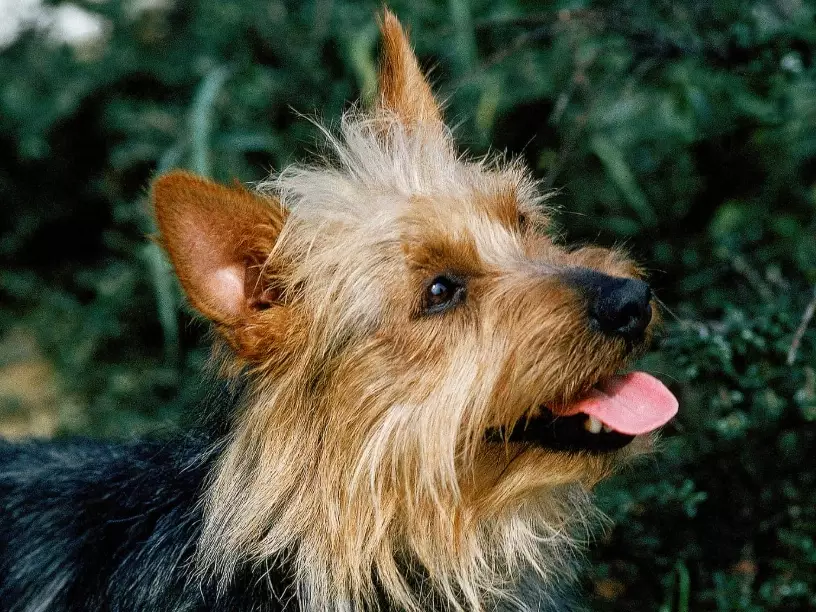
What You'll Find in This Guide
Understanding the Basics: What Are Australian Terriers and Yorkies?
Breed Standards at a Glance
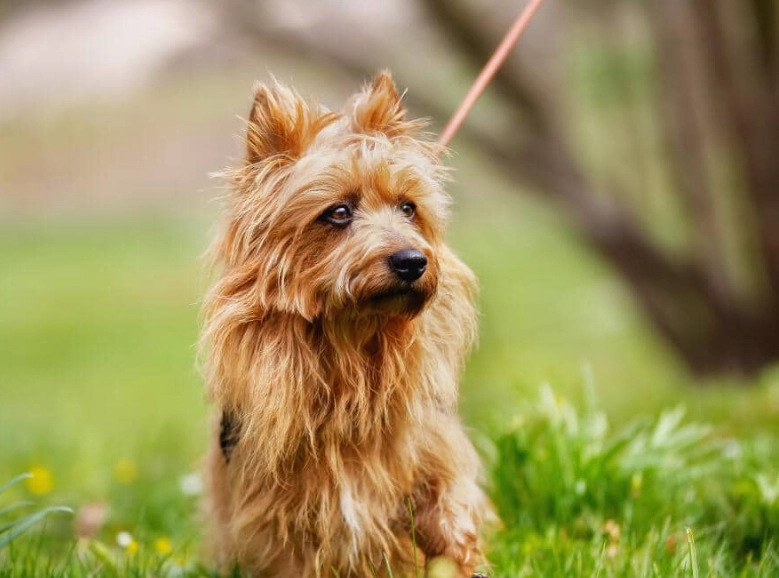
Key Physical Differences: Size, Coat, and Appearance
Feature
Australian Terrier
Yorkshire Terrier (Yorkie)
Height
10-11 inches
7-8 inches
Weight
12-18 pounds
4-7 pounds
Coat Type
Wiry, low-shedding
Long, silky, high-maintenance
Coat Colors
Blue & tan, red
Blue & tan, sometimes black & gold
Lifespan
12-15 years
12-15 years
Temperament and Behavior: Which Dog Suits Your Lifestyle?
Training Challenges and Socialization
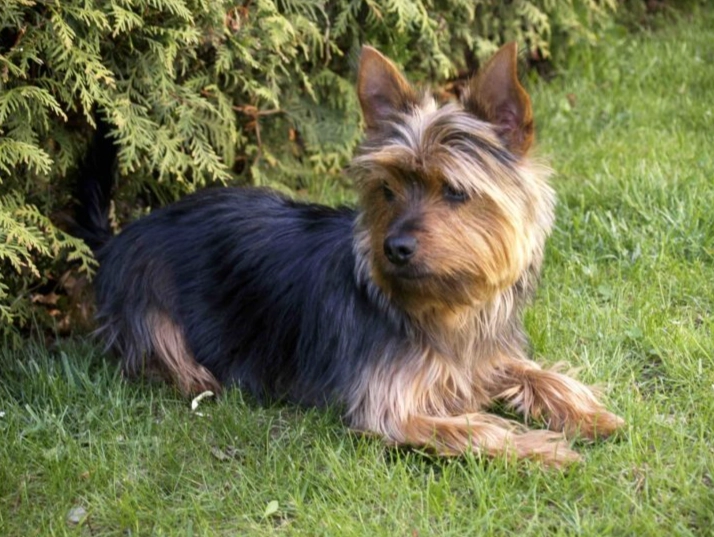
Care and Grooming Needs: A Practical Comparison
Health Considerations: Common Issues for Both Breeds

Cost of Ownership
Making the Right Choice: Factors to Consider
FAQ: Your Top Questions Answered
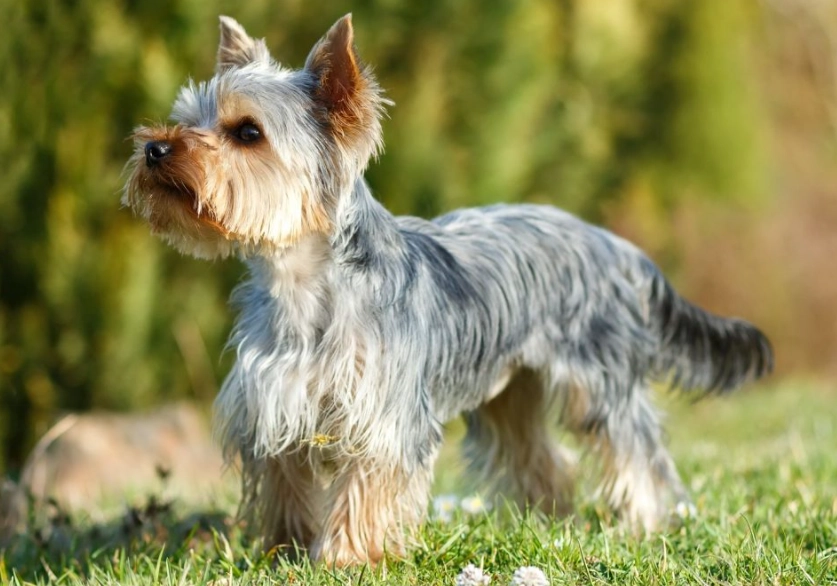 Wrapping up, the key takeaway is that Australian Terriers and Yorkies are different in almost every way. Don't let their small size fool you—their needs and personalities vary hugely. Do your research, meet both breeds if possible, and think long-term. Whether you go for the rugged Aussie or the elegant Yorkie, you're getting a loyal companion, but one that fits your life, not the other way around.
Is an Australian Terrier the same as a Yorkie?
No, they're distinct breeds. Australian Terriers are larger, wiry-coated, and bred for work in Australia, while Yorkies are smaller, silky-coated, and from England as companion dogs. Mixing them up is a common error due to their terrier family resemblance.
Which breed is better for first-time dog owners: Australian Terrier or Yorkie?
Yorkies are often recommended for beginners because of their size and adaptability, but they require consistent grooming and can be prone to separation anxiety. Australian Terriers need more training patience and mental stimulation. Neither is "easy"; success depends on your commitment to socialization and care routines.
How much grooming do Australian Terriers and Yorkies need?
Yorkies need daily brushing and professional trims monthly. Australian Terriers require brushing 2-3 times a week and hand-stripping every few months. Skipping grooming leads to health issues—mats in Yorkies can cause skin infections, and un-stripped Aussie coats lose their protective quality.
Are Australian Terriers and Yorkies good with children?
With early socialization, both can be okay, but Yorkies are fragile and may not tolerate rough play. Australian Terriers are sturdier but have a high prey drive that might make them chase small, fast-moving kids. Always supervise interactions, and consider older children for either breed.
Comment