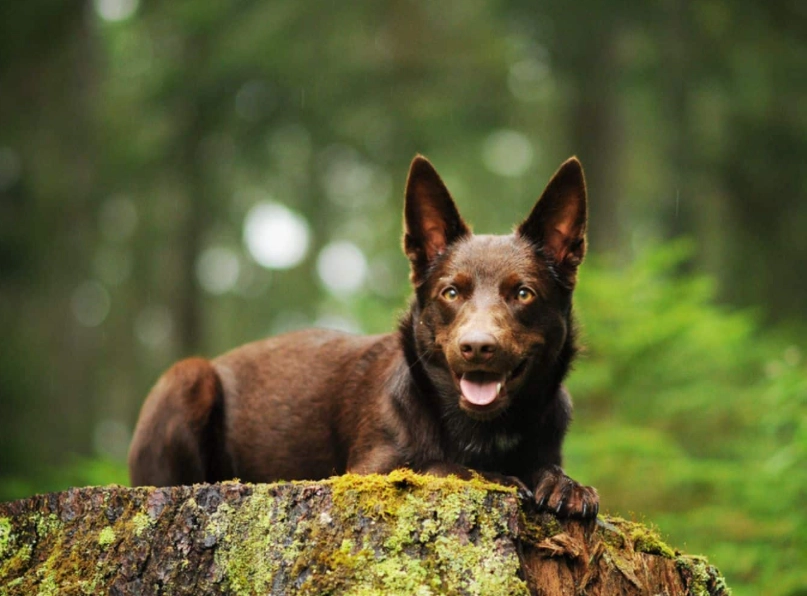
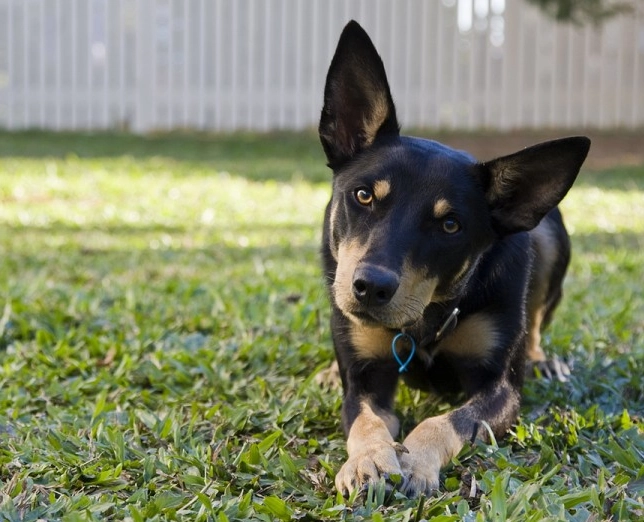
You've seen them online—those sleek, alert dogs with intense eyes and a build that screams "ready for action." They're often labeled as Australian Kelpie mixes. Maybe you're drawn to their intelligence, or perhaps you've heard they're loyal and energetic companions. But what are you really signing up for? I've worked with herding breeds for over a decade, and I can tell you, a Kelpie mix isn't just another dog. It's a lifestyle commitment wrapped in fur. Let's cut through the generic descriptions. An Australian Kelpie mix is exactly what it sounds like: a cross between the purebred Australian Kelpie and another dog breed. But that "other breed" changes everything. It could be a Border Collie, creating an ultra-focused genius, or a Labrador Retriever, potentially mellowing the intensity (but don't count on it). There's no standard look or single temperament. That's the first thing to get straight. Forget guessing games. The core of any Kelpie mix personality comes from the Kelpie itself. The Australian Kelpie, according to the American Kennel Club, is a working dog bred for endurance, intelligence, and independence to herd livestock across vast Australian stations. That DNA doesn't just vanish in a mix. The Kelpie Legacy: Bred for stamina and problem-solving, not just companionship. This means your mix will likely inherit a mind that needs to work and a body that doesn't tire easily. Looks vary wildly. You might get the Kelpie's signature prick ears, but they could be floppy. The coat is often short to medium, coming in black, chocolate, red, fawn, or blue, sometimes with tan points. Size typically ranges from 30 to 50 pounds, but it depends on the mix. The temperament, however, has some predictable threads: The other half of the equation matters immensely. Here’s a quick look at how some common mixes might shape up: I once fostered a Kelpie mixed with what we guessed was a smaller hound. The result? The relentless energy of a Kelpie paired with a nose that would shut down all brain function when a scent was detected. Training recall was a whole new challenge. Okay, so you think you can handle the energy. Let's talk about the daily reality. Caring for a Kelpie mix is a proactive, not reactive, endeavor. One long walk is a warm-up. These dogs need structured, high-intensity exercise. Think: A common pitfall I see: owners rely solely on a backyard. A Kelpie mix left alone in a yard will either run perimeter laps until they dig trenches or find a "job" like stripping bark off trees. The yard is a bathroom, not a gym. Positive reinforcement is the only way. They are sensitive but can be stubborn. Use high-value treats (cheese, chicken) and keep sessions short and fun. The two non-negotiable commands: A bombproof recall (start in a fenced area) and a solid "leave it" to manage their prey drive. Mental stimulation is the secret sauce. Food puzzles, snuffle mats, and hiding treats around the house are good. Better is teaching them complex tricks, the names of their toys, or introducing nosework. A 15-minute training session that makes them think can tire them out more than a 30-minute run. Feed a high-quality diet suitable for active dogs. They burn calories fast, but monitor weight. Because they're often mixed breeds, they may have sensitivities, so watch for digestive issues. Grooming is usually low-maintenance. A weekly brush to remove loose hair. Check ears regularly, especially if they're prick. Dental care is important, as with all dogs. One potential advantage of a mix is hybrid vigor, but they can inherit issues from either parent breed. Be aware of: Your best defense is a good relationship with a vet and proactive care. Pet insurance isn't a bad idea. Let's be brutally honest. This isn't a dog for everyone. They are a project, a partner for an active life. You might be a great match if: Think twice, or three times, if: I've seen too many Kelpie mixes returned to shelters because people loved the idea of a smart, athletic dog but hated the reality of living with a perpetual motion machine that out-thinks them. Please, do not search for "Australian Kelpie mix puppies for sale" online. That's a fast track to supporting irresponsible breeders or puppy mills. Your best option is adoption. Australian Kelpies and their mixes are not uncommon in shelters and rescues, especially in rural areas or through herding breed-specific rescues. Organizations like Australian Shepherd Rescue Midwest or Herding Breed Rescue often take in Kelpie mixes. What to ask the rescue or shelter: If you are determined to go through a breeder for a specific cross (which I rarely recommend for first-time owners of these breeds), they must health-test both parent dogs for common issues and prove they are breeding for temperament, not just looks. Meet the parents. See where the dogs live. An Australian Kelpie mix can be an incredibly rewarding companion. They're dogs that will push you to be more active, more engaged, and more present. They'll learn tricks that amaze your friends and show a loyalty that's hard to match. But they demand an investment of time, energy, and creativity that goes far beyond most pets. Look past the adorable photos and athletic poses. Ask yourself honestly: is my lifestyle a match for this dog's deepest needs? If the answer is a confident yes, you might just find your ultimate adventure partner.What's Inside This Guide
What to Really Expect from an Australian Kelpie Mix

Common Physical and Temperament Traits

Potential Mix Combinations and Their Influence
Mix With
Potential Influence on Temperament
A Note of Caution
Border Collie
Extreme intelligence, even higher energy, intense focus. The ultimate "workaholic" mix.
May develop obsessive behaviors without an outlet. Not for novice owners.
Labrador Retriever
May soften the reserve, add more food motivation, slightly lower intensity.
Don't assume it's a "low-energy Lab." The Kelpie drive often dominates.
Australian Shepherd
Similar herding drive, possibly more velcro-dog attachment, added fluff.
High likelihood of being noise-sensitive or anxious without proper training.
Unknown/Generic Mix
The biggest wildcard. Observe the individual dog's behavior closely.
Assess energy and drive in a foster home, not just a shelter kennel.

The Daily Care Guide: Beyond the Basics
Exercise: It's Not Optional, It's Essential
Training an Australian Kelpie Mix Effectively

Diet and Grooming
Health Considerations for a Mixed Breed Dog
Is an Australian Kelpie Mix Right for You?
Finding Your Australian Kelpie Mix: A Realistic Path
Can an Australian Kelpie mix live in an apartment?
It depends heavily on your commitment. A Kelpie mix in an apartment needs a non-negotiable routine of multiple long walks, daily trips to a dog park or secure field for running, and constant mental stimulation at home. Without this, the dog will likely develop destructive behaviors out of pent-up energy and boredom. A house with a yard is easier, but remember, a yard is not a substitute for active exercise and engagement.
Are Australian Kelpie mixes good with children and other pets?
With proper socialization, they can be. Their herding instinct is the main factor. They might try to herd small children or other pets by nipping at heels. This is not aggression but instinctual behavior that needs to be redirected through training. Always supervise interactions, especially with small animals, as their prey drive can be high. Early, positive exposure is key to a harmonious multi-pet household.
What is the most common mistake owners make with a Kelpie mix?
The biggest mistake is underestimating their need for a job. People think a long walk is enough. For a Kelpie mix, a walk is just a warm-up. They need purpose. Without a structured job—like advanced obedience training, agility, herding trials, or complex puzzle games—they will invent their own jobs, which usually involve redecorating your home or digging craters in the garden. Mental exercise is just as critical as physical.
How do I find a reputable source for an Australian Kelpie mix?
Avoid online marketplaces that advertise "designer Kelpie mixes." Your best options are dedicated breed-specific rescues (search for "herding dog rescue" or "Kelpie rescue"), general animal shelters, and local humane societies. Be prepared for a thorough screening process from rescues. If considering a breeder (for a specific mix like a Kelpie/Border Collie), they must health-test both parent breeds and welcome you to meet the parents and see the living conditions.
Comment