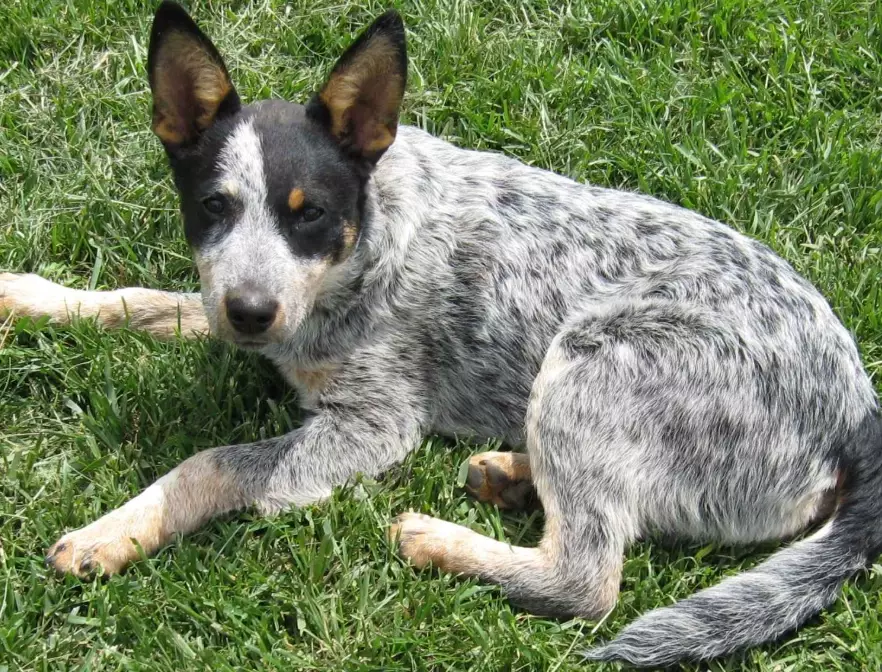
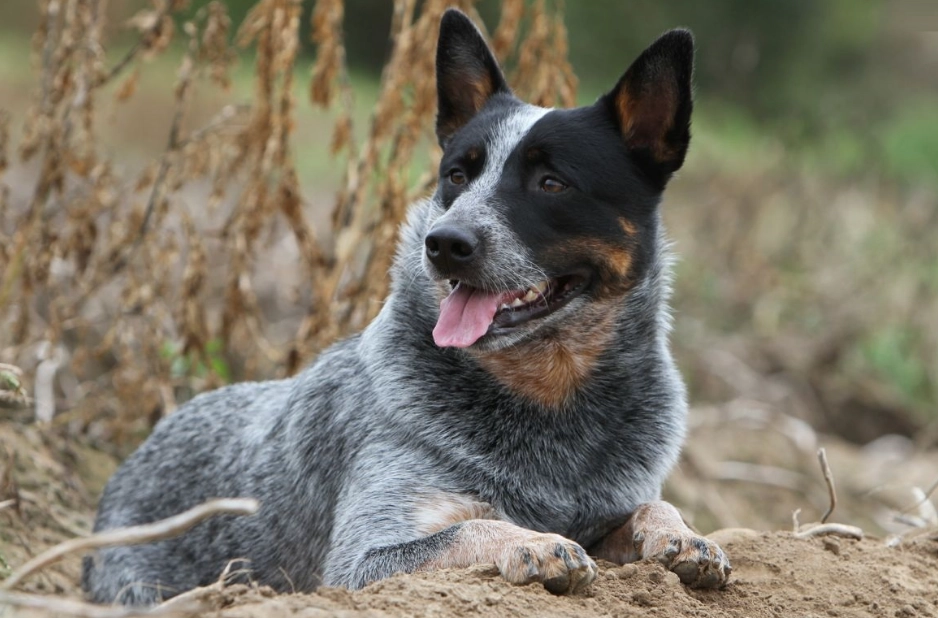
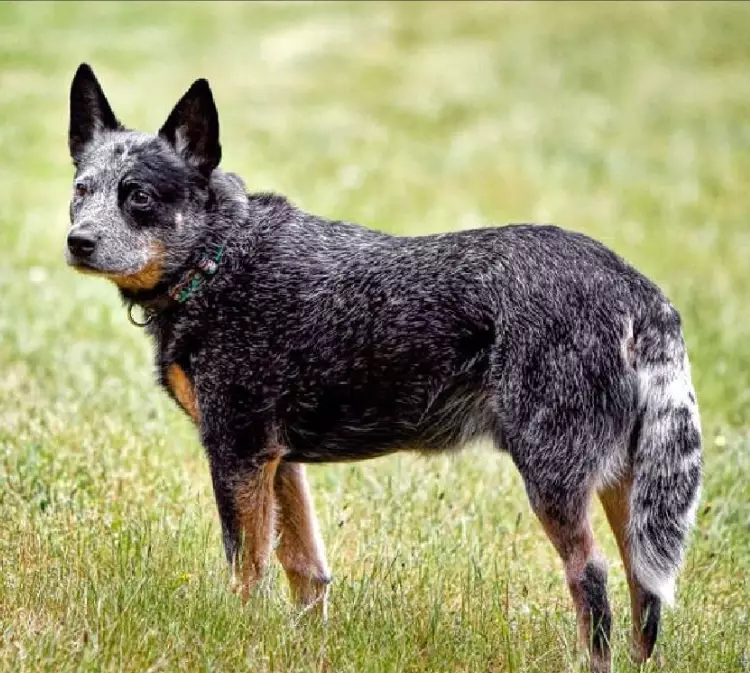
So, you're curious about the Australian Stumpy Tail Cattle Dog colors? You're not alone. That striking, speckled coat is one of the first things anyone notices about this rugged, no-nonsense herding breed. But here's the thing – there's a lot more to it than just looking pretty (though, let's be honest, they do look fantastic). The coat tells a story about the dog's history, its genetics, and even its purpose. I remember the first time I saw a Stumpy in person. It wasn't at a show; it was on a farm, covered in a fine layer of dust, those intense eyes watching everything. The coat wasn't just a color; it was camouflage, a uniform for a hard day's work. That's the perspective I want to bring you. We're not just talking paint swatches here. Before we dive in: The Australian National Kennel Council (ANKC) breed standard recognizes only two colors for the Stumpy Tail Cattle Dog. That's it. Two. If someone tries to sell you a "rare" white, chocolate, or lilac Stumpy, walk away. You're likely looking at a mixed breed or someone who doesn't understand (or worse, ignores) the breed's integrity. Let's get straight to the point. According to the official ANKC breed standard, the colors are: Sounds simple, right? Well, yes and no. The magic (and the confusion) is in the details of how these colors present. It's not a solid blue or a solid red. It's a complex, ticking pattern that gives the coat its unique texture. This is the color most people picture. But calling it "blue" is a bit of a misnomer. It's not the color of the sky. The base color is a dark, steely blue-black. Over this dark canvas are scattered speckles of white hairs, often with a bluish cast to them. The overall effect is a cool-toned, mottled grey-blue appearance. Where it gets interesting is the markings. A true blue speckle should have rich, tan markings on the legs, chest, throat, and underside. Some tan is also found on the jaws and eyebrows. The nose? Always black. Always. No exceptions in a properly colored dog. I've seen some blue speckles that are almost entirely steel-blue with just a hint of white ticking, and others that are so heavily speckled they look almost white from a distance. Both are correct, but the standard prefers dogs which are evenly speckled all over. Now, this one is a little more straightforward. The base color is a rich, even red, and the white speckles are scattered over it. The effect is a warm, reddish coat with a speckled or mottled appearance. Think of a well-worn brick or autumn leaves. Here's where people get tripped up: red speckle Stumpies do NOT have tan markings. The entire coat, including the legs and chest, should be the same even red speckle. The nose on a red speckle dog should be a solid, dark brown – often described as liver-colored. A black nose on a red dog is a fault. A Common Mix-Up: Don't confuse the red speckle Stumpy with the Australian Cattle Dog (the "Heeler"). Heelers have a red coat, but it's a solid red, often with darker patches on the head (called a "Bentley Mark"). The Stumpy's red is always, always speckled. To make it super clear, here’s a breakdown: Okay, let's geek out for a second. The unique speckling isn't just random. It's controlled by the ticking gene (often called the T-locus). This gene allows the underlying base color (blue-black or red) to "show through" a white background. It's not spots or patches; it's individual white hairs mixed with colored ones. The intensity of the speckling can vary based on other modifying genes. Some dogs have a heavy "tick," others a light one. The breed standard from the ANKC's breed standard page states the speckling should be even over the whole body, but honestly, in the real world, you see variation. And that's okay. Nature isn't a printer. The difference between blue and red comes down to the melanin in their fur – eumelanin (black/brown) vs. phaeomelanin (red/yellow). The blue speckle dogs have genes that dilute the black pigment to blue, combined with the ticking pattern and tan point genes. The red speckles lack the gene for black pigment altogether, so they only produce the red phaeomelanin, which is then speckled. This is a huge one for new owners. Stumpy Tail Cattle Dog puppies are born white. I know, it sounds wild. You might get a litter of what look like little white polar bear cubs. The speckling starts to come in within the first few weeks. For blue speckles, you'll see the dark blue patches appear first, often on the head and along the spine. The tan points on the legs and face will also start to show. The speckling fills in gradually over the first year or even longer. Red speckle puppies are also born white, but their red color starts to appear as a creamy, peachy tone that deepens into the rich red as they mature. It's a fascinating process to watch. Pro Tip: It can be very difficult to tell a lightly speckled blue puppy from a red speckle puppy early on. Look at the nose leather. If it's black, it's a blue. If it's brown/pink, it's a red. The pigment develops quickly. Now, let's tackle the serious stuff. Does color relate to health in Stumpies? The short answer is: not directly. A well-bred blue is just as healthy as a well-bred red. However, there is an indirect link that responsible breeders are hyper-aware of. The gene that causes the blue dilution (the "d" gene) is linked to a condition called Color Dilution Alopecia (CDA) in some breeds. This can cause hair thinning and skin problems in dogs with diluted coats. I want to be very clear: Not all blue Stumpies get CDA. In fact, many breeds with dilute colors never have an issue. But it is something that ethical breeders screen for and consider in their breeding programs. Reputable breeders prioritize health over color every single time. You can find more on genetic health screening from resources like the Orthopedic Foundation for Animals (OFA) database, where breeders submit health clearances. The more significant health considerations for the breed – like Progressive Retinal Atrophy (PRA) or deafness – are not linked to coat color at all. Deafness, for instance, is more commonly associated with excessive white on the head (which is a fault in Stumpies anyway), not with the speckling pattern itself. Does color affect grooming? Not really. Both colors have the same dense, straight, medium-length double coat. They shed. A lot. Especially during seasonal changes. You'll find little white, red, and blue-black hairs everywhere. It's a fact of life. A good weekly brush with an undercoat rake is your best friend. One thing I've noticed? The white speckles on a blue coat can sometimes make dust or dirt more visible after a day on the farm. But then again, a happy, working Stumpy isn't supposed to be spotless. This is the million-dollar question. My personal, very strong opinion? No. If you are looking for a Stumpy Tail Cattle Dog, your checklist should look like this: A fantastic red speckle dog from health-tested, proven working lines is infinitely better than a poorly bred blue from someone just churning out puppies for their color. The breed's working ability, intelligence, and health are what matter. That said, if you have your heart set on a blue or a red, talk to your breeder. They'll know what's in their lines and can often give you a good idea of what a litter might produce. But be prepared to take whatever color they have if the puppy is the right fit for you in every other way. Q: Are there any other acceptable colors or patterns? A: No. Only blue speckle and red speckle. Solid colors, brindle, excessive white (especially on the body), black and tan without speckling, or any other variation are serious faults and not recognized. A true Stumpy only comes in these two speckled packages. Q: My Stumpy has a mostly white chest. Is that okay? A: A small white patch on the chest is permissible, but not desirable. The standard prefers minimal white. Large white patches, a white collar, or white on the feet are faults. The ideal is an even distribution of speckle. Q: Do their colors fade or change with age? A: They can! Many Stumpies, especially blues, will get a sprinkling of white or grey hairs on the muzzle and face as they age, which is perfectly normal. The overall coat color might also soften a bit. Some reds may darken slightly into a deeper mahogany. Q: What's the difference between "speckled" and "mottled"? A: In the context of the breed standard, they are essentially used interchangeably to describe the coat pattern of intermingled colored and white hairs. "Speckled" might imply smaller, more distinct dots, while "mottled" suggests slightly larger, blended patches. Both describe the correct coat. Q: Is one color more common than the other? A: Historically, blues seem to have been more prevalent, possibly due to their classic "heeler" appearance. However, in well-managed breeding programs today, both colors are produced regularly. It's not a matter of rarity, just genetics. Understanding the Australian Stumpy Tail Cattle Dog colors is about appreciating the breed's functional heritage. That speckled coat wasn't designed for the show ring; it was designed for the Australian outback – providing some camouflage and protection. It's a hallmark of the breed, as much as their stumpy tail and intense gaze. Whether you're drawn to the cool, steely mystery of the blue speckle or the warm, earthy tones of the red speckle, remember you're choosing a dog, not a decoration. The color is just the wrapping paper on an incredibly gifted, energetic, and loyal companion. Focus on finding a healthy, well-tempered dog from a breeder who lives and breathes the standard. The right color will find you. And when it does, you'll have a partner whose beauty is far more than skin (or fur) deep. In a nutshell: Love the speckles, respect the genetics, but always, always choose health and temperament first. That's the true mark of a responsible Stumpy owner.What You’ll Find Here
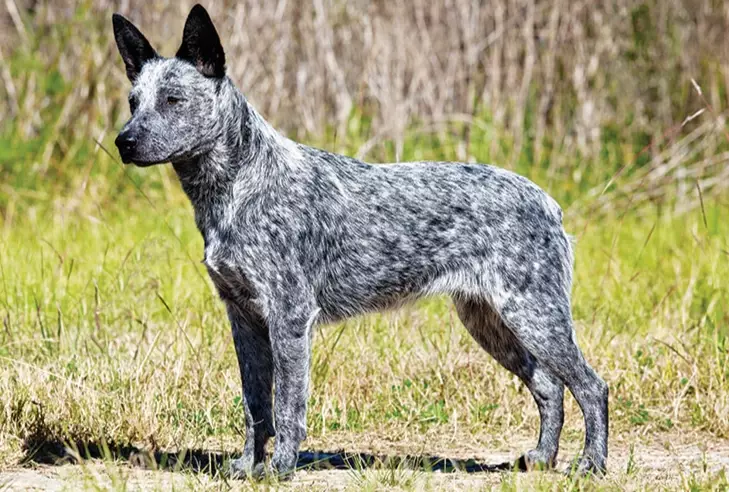
The Official Palette: Breaking Down the Two Australian Stumpy Tail Cattle Dog Colors
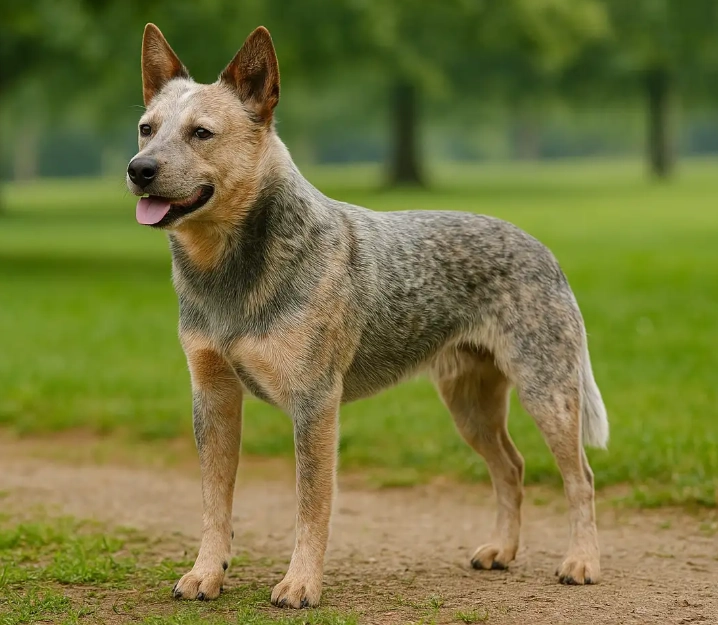
1. Blue Speckle: The Classic "Blue Heeler" Look
2. Red Speckle: The Warm, Rusty Counterpart
Color
Base Coat
Speckles
Markings
Nose Color
Eye Color
Blue Speckle
Blue-black
White hairs, giving a bluish cast
Rich tan on legs, chest, jaw, brows
Black
Dark Brown
Red Speckle
Even Red
White hairs, giving a speckled/mottled look
None. Coat is even.
Dark Brown (Liver)
Dark Brown (lighter than blues is acceptable)
The Science Behind the Speckles: It's All in the Genes
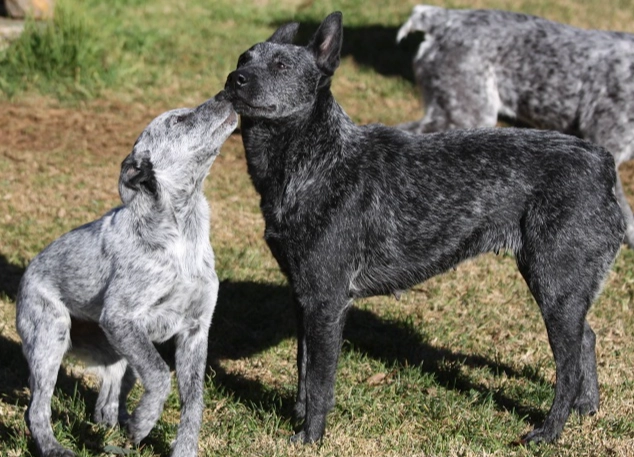
Puppy Color Development: Don't Judge a Book by Its Cover
Color, Health, and the Working Dog
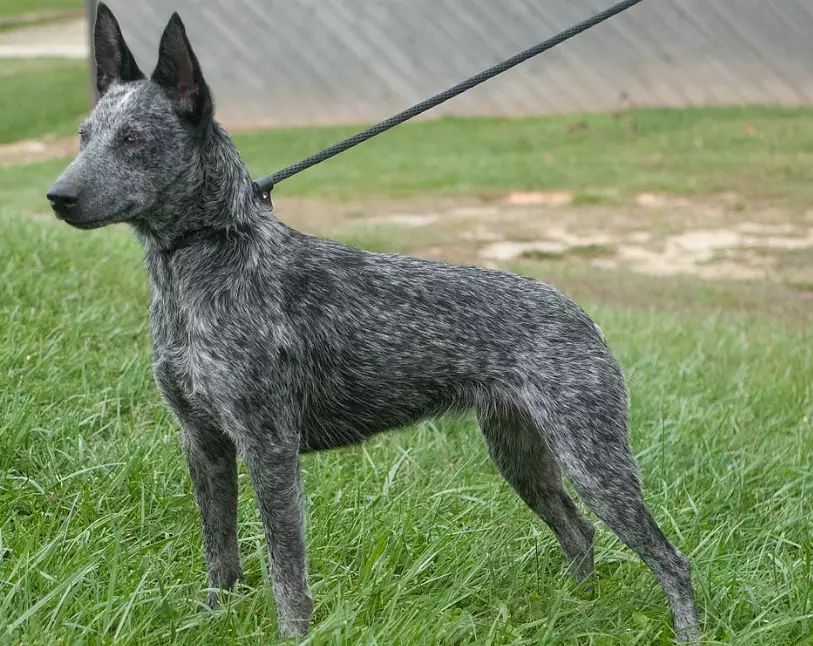
Grooming and the Speckled Coat
Choosing a Puppy: Should Color Be a Deciding Factor?
Frequently Asked Questions on Australian Stumpy Tail Cattle Dog Colors
Final Thoughts: Embracing the Speckle
Australian Stumpy Tail Cattle Dog Colors: A Complete Guide to Blue & Red Speckles
Comment