Let's cut to the chase. You're probably here because you've seen a picture of a sleek, elegant Basenji, read that they're "barkless," and thought, "Perfect! A quiet, exotic-looking dog." I've been involved with this breed for over a decade, and I need to tell you: that's the first trap. The Basenji temperament is one of the most fascinating and challenging in the canine world. It's not just about the lack of a conventional bark; it's about living with a four-legged feline in a dog's body, a primitive hunter with the problem-solving skills of a mischievous genius. If you want a dog that aims to please, look elsewhere. If you want a partner who respects you only after you've earned it, and whose silent communication and deep bond is unlike any other, read on. This isn't a list of generic traits. This is a roadmap to understanding the soul of an ancient African breed. You can't talk about Basenji temperament without understanding where they came from. This isn't a breed crafted in Victorian England for companionship. Basenjis are basal breeds, some of the most genetically ancient dogs on the planet. They hunted alongside humans in Central Africa for thousands of years, tasked with flushing game into nets. Think about that job description for a second. They needed to be: This genetic blueprint is etched into every modern Basenji. When your Basenji ignores your recall command because they've found a more interesting scent, they're not being "stubborn" in the way a Labrador might be willful. They're operating on an ancient operating system that says, "My judgment in this moment is paramount." The American Kennel Club's breed standard gets it right, calling them "smart, independent, and poised." That "independent" is the keyword that defines everything. Describing a Basenji is an exercise in balancing opposites. They form incredibly deep, devoted bonds with their family but can be aloof or suspicious of strangers. They have bursts of frantic energy (the famous "Basenji 500" zoomies) followed by hours of regal lounging. Here’s a breakdown of their core traits, the good and the challenging. One subtle point most blogs miss: Basenjis are visually oriented. They respond better to hand signals than to voice commands alone. Their silence as hunters made them rely on sight. Use this to your advantage in training. This is the million-dollar question. The answer is a firm "it depends." A Basenji is not a Golden Retriever. They won't tolerate clumsy, unpredictable handling. In this scenario, a Basenji can thrive. I've seen beautiful relationships form where the child learns to respect the dog's space and the dog sees the child as part of its trusted circle. The key is the child's age and temperament—usually 10 and up is a safer bet. The child must understand that when the Basenji walks away, it's not an invitation to chase. Here's where I advise extreme caution. The combination of a Basenji's low tolerance for poking/prodding, their possessive streak over toys or food, and a toddler's lack of boundaries is high-risk. It's not that Basenjis are inherently vicious; they are inherently intolerant. They are more likely to give a corrective snap than to simply walk away. For families with young kids, there are many more suitable breeds. Again, the hunting heritage shines through. A Basenji raised from puppyhood with a cat might coexist peacefully, but there's always a risk. The prey drive is strong for small, furry creatures. With other dogs, same-sex aggression (particularly among females) is not uncommon. Early, constant socialization is non-negotiable, but even then, you're managing an instinct, not erasing it. Forget force-based training. A Basenji will shut down or become defiant. You must be smarter, more patient, and more interesting than they are. The Golden Rule: Make it worth their while. High-value treats (think boiled chicken, not kibble) are your currency. Training sessions must be short, fun, and end on a positive note. If you get frustrated, they've won the round. Recall is your biggest challenge. Off-leash in an unfenced area is a gamble few experienced owners take. Their scent drive can override any training. A 30-foot long line in a safe field is a much better tool than blind trust. Socialization is not optional. It's a vaccine against fear and aggression. Between 8 and 16 weeks, expose your Basenji puppy to everything: different people, surfaces, sounds, and friendly dogs. The goal is to create positive associations. A poorly socialized Basenji can become fear-reactive, which often looks like aggression. Here's a non-consensus tip from the trenches: Focus less on "obedience" and more on "cooperation." Teach behaviors that make life easier for both of you, like a solid "wait" at doors, voluntary crate entry, or a reliable "drop it." These are practical wins that build your relationship. The AKC Canine Good Citizen test is an excellent, structured goal that focuses on manners, not just tricks. A dog in pain or discomfort will act out. Basenjis are generally healthy but prone to a few specific conditions that can dramatically affect their temperament. The lesson? A sudden change in your Basenji's temperament—newfound snappishness, hiding, loss of house training—is a vet visit first, a behaviorist second.
What You'll Discover in This Guide
Where That Independent Streak Comes From
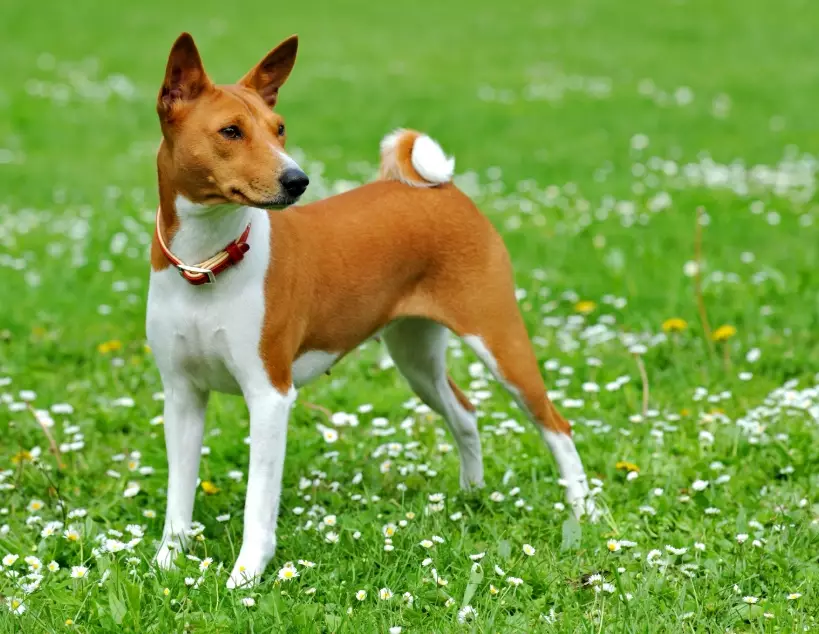
The Basenji Personality: A Contradiction in Fur
Trait
The Bright Side
The Challenge
Intelligence
Quick learners, excellent problem-solvers. Can learn commands in a few repetitions.
They use their intelligence to their advantage. If a command doesn't benefit them, they'll "forget" it. They are master escape artists and counter-surfers.
Energy Level
Not a marathon dog. A good daily run or vigorous play session usually suffices.
Their energy is explosive and mental. An under-stimulated Basenji will invent their own fun (e.g., redecorating your couch).
Affection
Profoundly loyal. Their affection is quiet—a lean against your leg, a watchful gaze from across the room.
Not typically "lap dogs." They show love on their terms. Can be reserved with physical affection from people they don't know well.
Vocalization
No nuisance barking! Great for apartment dwellers worried about noise complaints.
They are NOT silent. The yodel is loud, unique, and often used for excitement or complaint. They can also whine and scream.
Cleanliness
Meticulous self-groomers. They have little "doggy odor" and are often compared to cats.
This fastidiousness can translate to being picky eaters or resistant to getting their paws dirty in wet grass.
Is a Basenji a Good Family Dog? The Real Story
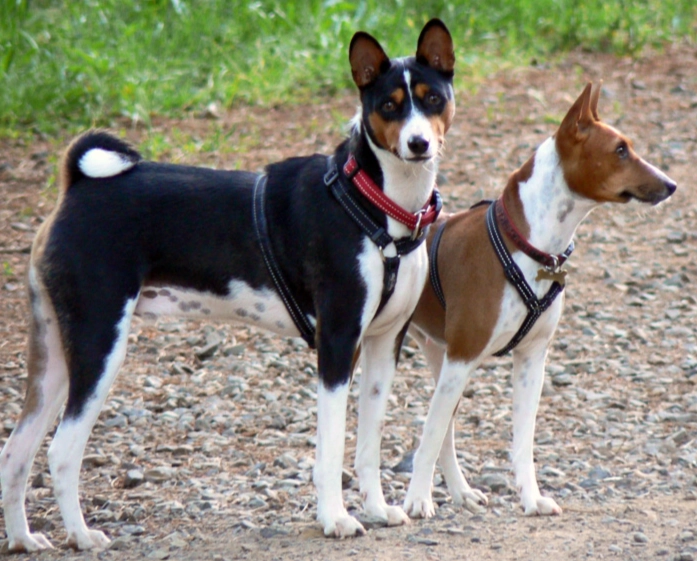
Basenjis with Older, Dog-Savvy Children
Basenjis with Young Children or Toddlers
Basenjis with Other Pets
Training & Socialization: It's a Mind Game

How Health Shapes a Basenji's Demeanor

Your Tough Questions, Answered by Experience
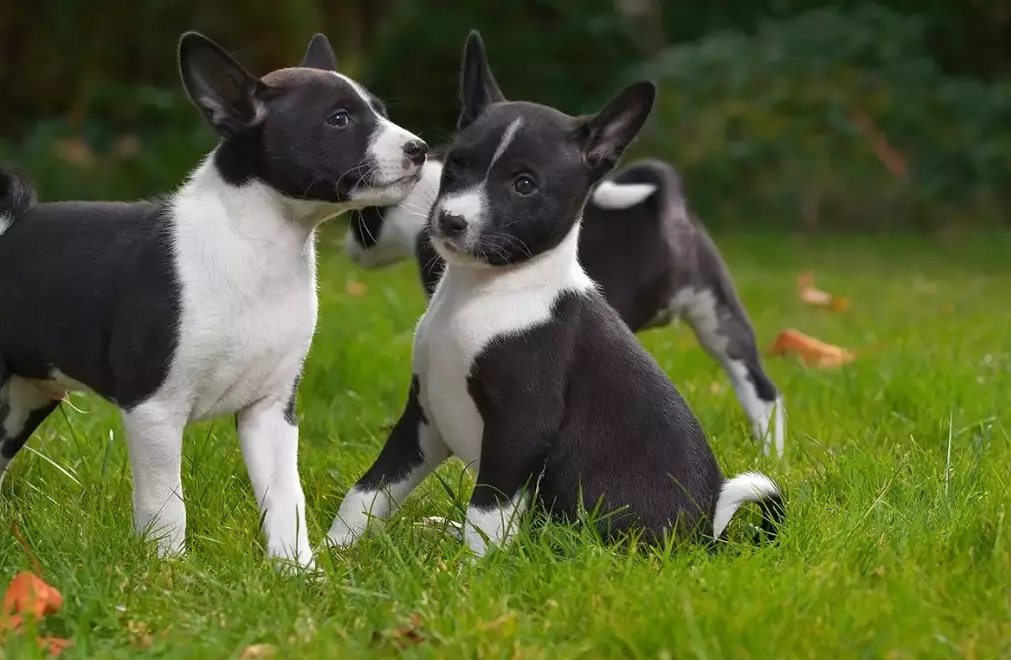 Living with a Basenji is a journey, not a destination. It's about appreciating a unique mind, respecting ancient instincts, and building a partnership based on mutual respect, not blind submission. They will infuriate you and delight you in equal measure. They are not for everyone, but for the right person—someone who values intelligence, cleanliness, and a deep, quiet connection over slobbery kisses and eager-to-please obedience—there is no other breed like them. Do your homework, meet some in person (contact the Basenji Club of America for referrals), and be brutally honest with yourself about your lifestyle. If it's a match, you'll gain a companion like no other.
My Personal Rule: I never recommend a Basenji as a first dog for a family with children under the age of eight. The supervision required is constant and exhausting. It's not fair to the dog or the kids.
My Basenji is perfect at home but completely ignores me at the dog park. Is this normal?
It's more than normal; it's typical. You've become boring compared to the sensory overload of the park. Basenjis have a high environmental focus. Don't set yourself up for failure by expecting perfect obedience in high-distraction areas. Practice recall on a long line with amazing treats before you ever try it off-leash around other dogs. Their independence isn't a personal insult; it's their default setting.
Are Basenjis actually good apartment dogs given their energy?
They can be excellent apartment dogs, but with a massive caveat: you must commit to providing sufficient mental and physical exercise outside the apartment. A bored Basenji in a small space is a demolition crew. They need a daily outlet—a long walk, a run in a secure area, a vigorous play session with a flirt pole. Their cleanliness and quietness (relative to barking breeds) suit apartments, but their need for activity does not diminish.
I've heard Basenjis are destructive chewers. How do I stop mine from eating my furniture?
This usually stems from boredom or anxiety. First, rule out separation anxiety (they are prone to it). Then, management is key. Crate train for when you're not supervising. Provide a rotationof high-quality, durable chew toys (Benebones, Kongs stuffed with frozen food). The most common mistake is giving them the same toy for months; they get bored. Rotate 3-4 different types to keep it novel. And again, a tired Basenji is a well-behaved Basenji.
My Basenji seems to bond more with one person in the household. Can I change this?
You can improve it, but you likely won't reverse it entirely. Basenjis often pick a favorite—usually the person who does the most feeding, training, and walking. If you want a stronger bond, become the source of all good things: you control the food, the treats, the fun outings. Have other family members hand-feed meals or do short training sessions. But accept that they may always have a primary person. It's not a lack of love for others; it's just their way.
Comment