If you're looking at a Bavarian Mountain Hound, the first thing you notice is that intense, focused gaze. The second thing? That rich, complex coat. It's not a single, flat color. It's a tapestry of shades—deep reds, warm tans, and that signature dark mask—that seems to tell a story. As someone who's spent over a decade around scent hounds and tracking breeds, I can tell you that with the Bavarian, color isn't just cosmetic. It's a window into the breed's function, genetics, and even its health. Most guides list the acceptable colors and stop there. They miss the nuance, the why behind the patterns, and the practical implications for owners. Let's fix that.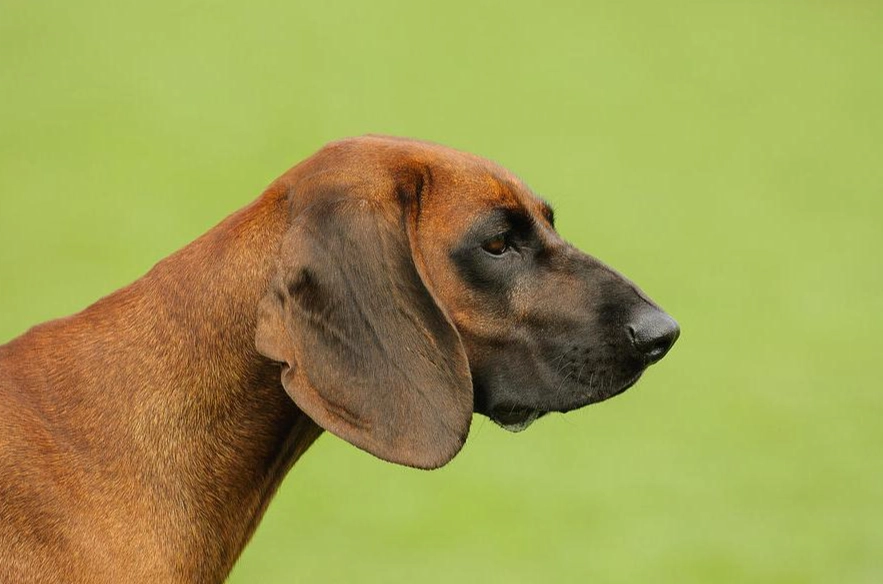
Your Quick Guide to Bavarian Mountain Hound Colors
The Two Main Coat Patterns Explained
The Fédération Cynologique Internationale (FCI) breed standard, which is the definitive guide for the Bavarian Mountain Scenthound, describes the coat color with very specific German precision. Forget simple labels like "brown." We're dealing with two primary, and stunning, patterns.
1. Dark Stag Red (Dunkelrot)
This is the classic, most iconic look. Imagine the color of a red deer's coat in deep autumn. The base is a rich, saturated red or reddish-tan. It's never orange or bright copper—it's deeper, earthier. Overlaying this base is a subtle, darker "saddling" or sprinkling of black-tipped hairs, primarily along the back and top of the body. This gives the coat a textured, shaded appearance that can look almost shimmering in sunlight. The legs and underside are typically a clearer, lighter shade of the base red.
The key feature here is the dark mask. It's not just a smudge on the muzzle. A proper mask covers the muzzle, frames the eyes, and runs up to the ears, creating that serious, almost somber expression the breed is known for. In some dogs, the mask can extend to cover the entire head. The ears are almost always darker than the body, often matching the mask.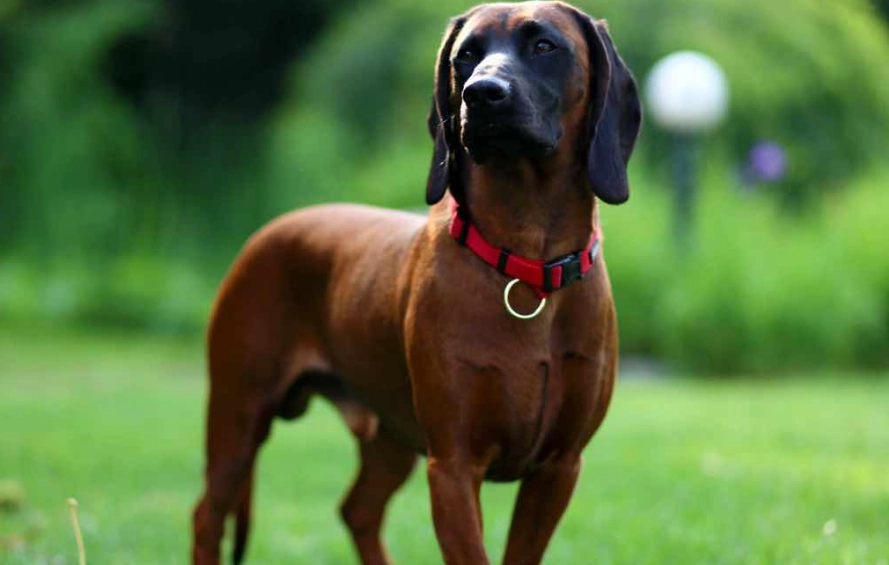
2. Red-Brindle (Rotbrindle)
Less common but equally striking, the red-brindle pattern is where genetics get interesting. The base is again that warm red or tan. But instead of a dark overlay, distinct black or very dark brown stripes (the brindle) run vertically through the coat. These stripes are irregular and can vary in thickness and density. Sometimes they're prominent, creating a tiger-stripe effect; other times, they're finer, like dark veining in marble.
The mask is present here too, often blending into the brindling on the head. Brindle can sometimes be concentrated on the back and flanks, fading on the legs and belly. I've seen puppies born looking very brindle that mature into a more stag-red appearance, and vice-versa. The final pattern settles around a year old.
What you won't see: Pure black, solid white, blue, or liver (chocolate) coats. These colors are considered faults according to the breed standard, as they deviate from the functional camouflage and historical breeding lines. A small white spot on the chest is sometimes tolerated but not desired.
| Pattern | Base Color | Key Feature | Visual Effect |
|---|---|---|---|
| Dark Stag Red | Deep red, reddish-tan | Black-tipped hair overlay (saddling) | Shaded, textured, shimmering |
| Red-Brindle | Warm red, tan | Vertical black/dark stripes | Striped, marbled, tiger-like |
A Simple Look at Color Genetics
You don't need a biology degree to get this. The Bavarian's color is controlled by a few key genes. The base is the Agouti (A) gene, which dictates that banded, wild-type hair (light base with dark tip). This gives us the potential for stag red and brindle. The specific expression is then influenced by the K locus and the Brindle (Kbr) gene.
Think of it like a recipe. The Agouti gene provides the main ingredient (the banded hair). Whether you get a stag red or brindle dog depends on which modifier is more dominant. Brindle is a dominant trait over the non-brindle stag red. So, a brindle dog can carry a gene for stag red and pass it to its puppies.
Here's a practical point most breeders won't emphasize: that dark mask is linked to the E locus (Extension). The breed almost universally has the "Em" allele for a melanistic mask. This is fixed in the gene pool. It's not just for looks—some old-time hunters believed the dark pigment around the eyes helped reduce glare, like natural sunglasses for a dog tracking in dappled forest light. Makes sense, doesn't it?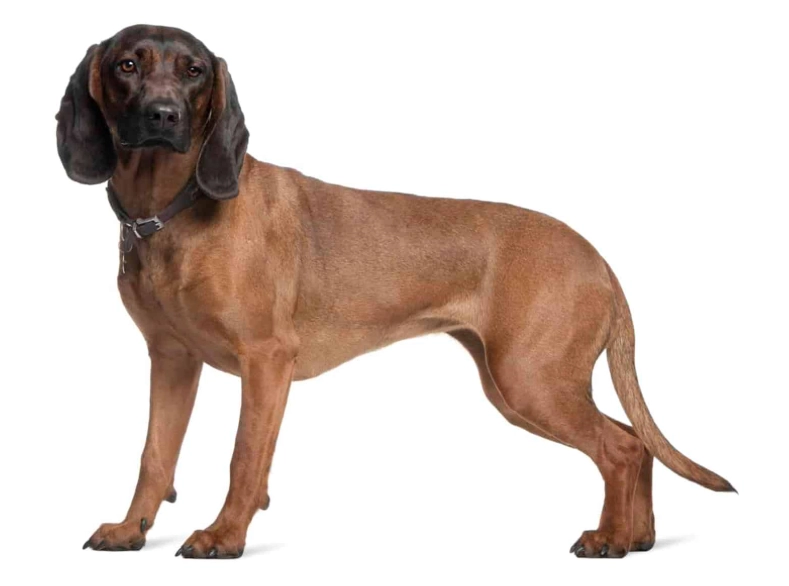
Grooming & Care Tips for That Specific Coat
This is where color meets daily life. The Bavarian's coat is short, dense, and lies very flat. It's also deceptively heavy in the shedding department. The dark hairs, especially those black tips on a stag red coat, seem to have a magnetic attraction to light-colored furniture.
Shedding is not seasonal; it's constant. A weekly brush with a rubber grooming mitt or a fine-toothed hound glove is non-negotiable. It pulls out the dead undercoat before it hits your floor. During heavier sheds (spring and fall), you might need to do this every other day. I recommend doing it outside—you'll be amazed at the cloud of hair.
Bathing shouldn't be frequent, as it can strip natural oils. But when you do, use a shampoo for dark coats if your dog is heavily masked or has strong brindling. It won't "dye" the coat, but it can enhance the depth of the dark pigments and make the reds look richer. A conditioner helps keep the coat sleek and flat, which is the correct texture.
A common mistake I see is owners using de-shedding tools like the Furminator too aggressively. On this short coat, it's easy to scratch the skin or break the healthy guard hairs. Stick to gentler tools. The goal is to remove what's ready to come out, not to strip the coat.
Common Color Myths Debunked
Let's clear the air on a few persistent ideas.
Myth 1: "Brindle dogs are more aggressive/energetic." Absolute nonsense. There is zero correlation between coat pattern and temperament in Bavarian Mountain Hounds. Temperament is driven by breeding, socialization, and training. I've known calm brindles and driven stag reds, and vice versa.
Myth 2: "The darker the mask, the better the tracker." This is romantic folklore. While the mask is a breed hallmark, its intensity doesn't predict nose ability. A superb tracker can have a lightly defined mask, and a poor one can have a jet-black face. Judge the dog's working drive and structure, not the shade of its muzzle.
Myth 3: "You can't show a Bavarian with a lot of white." This is partially true, but the nuance matters. As per the FCI standard, a small white spot on the chest is a fault but may not be severely penalized depending on the judge. Large white patches or white on the feet are serious faults that would likely place a dog at the bottom of the lineup. For a pet, it doesn't matter. For a show prospect, it's a significant consideration.
Your Questions, Answered
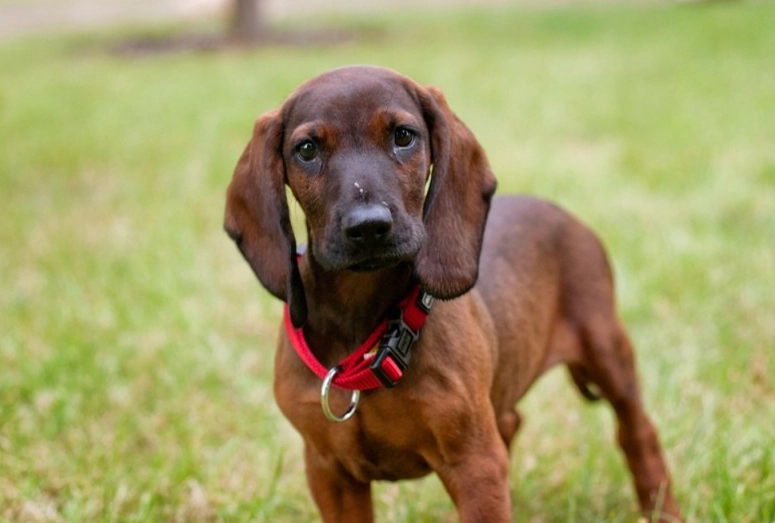 At the end of the day, the colors of a Bavarian Mountain Hound are a beautiful and functional signature. They speak to the breed's history in the alpine forests of southern Germany, bred to be a visible yet camouflaged companion for hunters tracking wounded game. Whether you're drawn to the deep, shaded mystery of the dark stag red or the bold stripes of the red-brindle, you're looking at more than just fur. You're seeing the result of centuries of purposeful breeding, wrapped up in a loyal, intense, and utterly fascinating dog. Choose your companion for its heart and mind, and you'll forever appreciate the unique canvas it comes in.
Reader Comments