Talk to any Chessie owner, and they'll tell you the color is more than just looks. It's a badge of honor, a direct link to the breed's gritty history working in the icy, rough waters of the Chesapeake Bay. Unlike the uniform coats of many retrievers, the Chesapeake Bay Retriever's colors are a spectrum of earthy tones, each with a story. But what exactly are the official colors? Is there a "best" shade? And how do you care for that unique, oily coat that defines the breed? Let's cut through the noise and get into the real details.
Your Quick Guide to Chessie Colors
Understanding the Chesapeake Bay Retriever Color Standard
The American Kennel Club (AKC) breed standard is surprisingly specific—and surprisingly broad—when it comes to Chesapeake Bay Retriever colors. It's not about picking a single shade from a paint chart. The standard describes the coat color as "any color of deadgrass, varying from a faded tan to a dull straw color" and "any shade of brown, sedge, or deadgrass". See the pattern? It's about a range.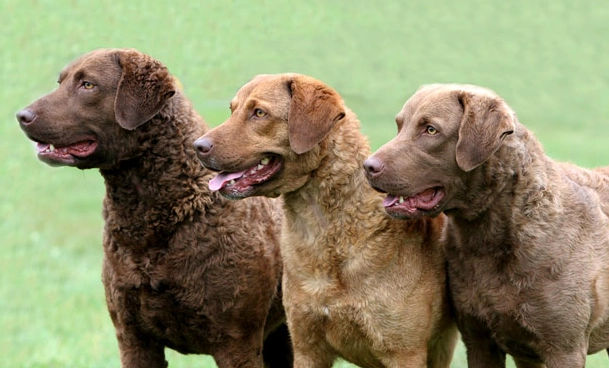
This flexibility exists for a functional reason. These dogs were bred for utility in a specific environment. The colors provided camouflage in the marshy, grassy shores of the Bay. A light deadgrass dog could blend into dried reeds, while a dark sedge might disappear in shadowy underbrush. The standard prioritizes the double coat's texture—dense, wooly undercoat and harsh, oily outer coat—over a rigid color rule. That oily coat is non-negotiable; it's their built-in wetsuit.
Key Takeaway: Don't get hung up on finding the "perfect" shade of brown. The AKC standard celebrates a natural spectrum. A well-bred Chessie's color should look like it belongs in a field or marsh, not a show ring designed for uniformity. The health and texture of the coat always trump the exact hue.
The Three Main Color Shades of Chessies
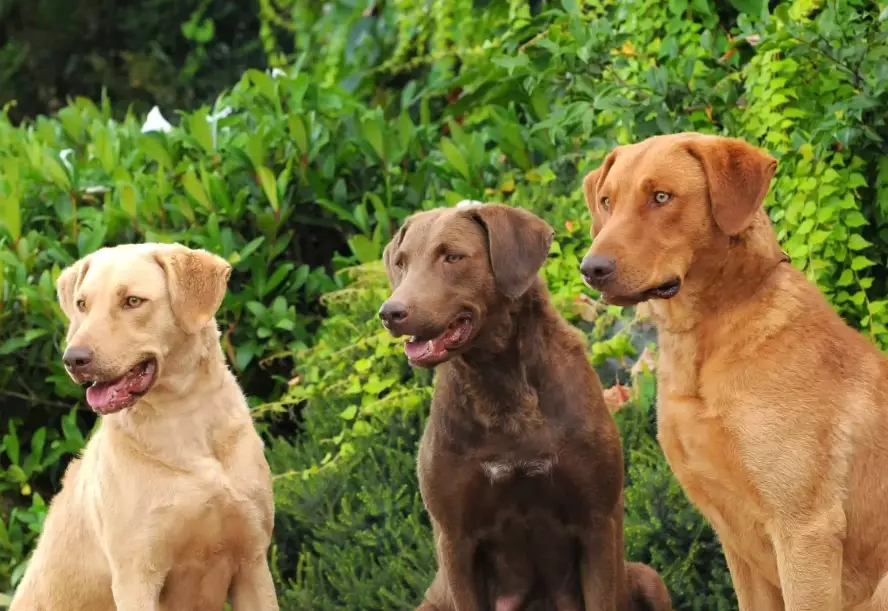
While the standard uses three terms—brown, sedge, and deadgrass—in practice, you'll see a beautiful continuum. Here’s a breakdown of what you can actually expect, moving from lightest to darkest.
| Color Category | Typical Shade Range | Common Misconceptions | Coat Care Note |
|---|---|---|---|
| Deadgrass | Faded tan, dull straw, light ash-brown. Often has a greyish or silvery undertone. Think of the color of marsh grass in late autumn. | Often called "yellow" by mistake. True deadgrass lacks the rich golden tones of a Golden Retriever. | Mud and stains can be more visible. Regular brushing is key to prevent a dingy look. |
| Sedge | Reddish-gold, reddish-brown, autumn grass. This is the most variable category. Can range from a coppery red to a deep, rich tan with red highlights. | Frequently confused with Irish Setter red. True sedge is duller, more earthy, and often mixed with brown hairs. | The reddish hues can sun-bleach noticeably. Provides great camouflage in fall foliage. |
| Brown | Dark chocolate, liver, to a deep sedge that appears almost brown. The darkest end of the spectrum. Should not be jet black. | Some assume all brown Chessies are the same. Look closely—you'll often see lighter undercoat or subtle red highlights on the ears and legs. | Holds heat more than lighter colors. Dirt is less visible, but that oily coat still needs attention. |
You'll almost always see small white markings on the chest, toes, or belly. The AKC allows this, though excessive white is frowned upon. The color can also change with age. Puppies are often born darker and may lighten (especially deadgrass) or their true sedge tones may emerge as they lose their puppy coat.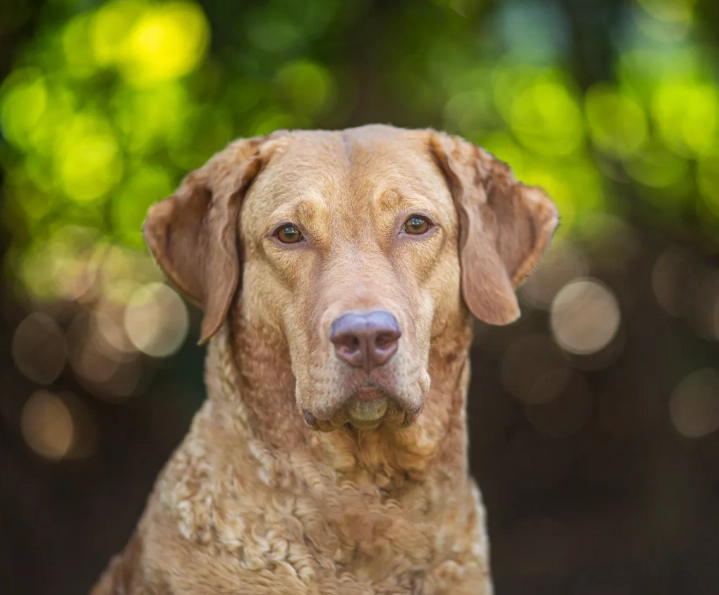
I remember picking up my first Chessie, a sedge male. In the breeder's dim kennel, he looked like a plain brown dog. The first time the sun hit him in my backyard, I saw this incredible copper sheen along his back—like someone had dusted him with rust. That's the magic. The color isn't static.
What About "Rare" Colors?
Ignore any breeder advertising "rare silver deadgrass" or "fox red" Chessies at a premium price. This is a marketing gimmick. The breed's color genetics don't produce true silver, blue, or jet black. If a puppy looks strikingly different from the standard shades, be very cautious. It could indicate mixed ancestry or, worse, a breeder prioritizing unusual looks over health and temperament.
Chesapeake Bay Retriever Coat Care and Grooming
This is where theory meets the messy, wonderful reality of owning a Chessie. That famous oily coat (they call it a "pelt") is a double-edged sword. It repels water and insulates like nothing else, but it also traps dirt, holds a... distinctive odor, and sheds in impressive clumps.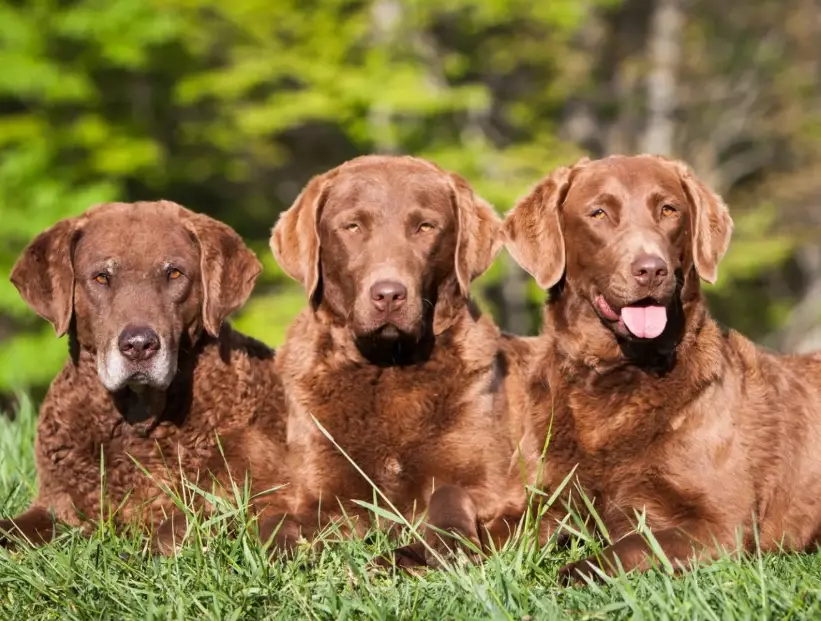
New owners often make two big mistakes: over-bathing or using the wrong products.
Over-bathing strips the essential oils that make the coat functional. You end up with a dry, brittle coat and a confused dog whose skin signals it to produce even more oil, creating a greasy mess. I learned this the hard way. Bathed him monthly, fought the smell constantly. Switched to a 3-4 month schedule unless he rolls in something truly vile, and the coat quality improved dramatically.
Wrong products are just as bad. Human shampoo, most oatmeals for sensitive skin, and heavy conditioners coat the hair, destroying its water-repellency. You need a clarifying, degreasing dog shampoo. Look for ones labeled for oily coats. My go-to is a simple, unscented dish soap (like Dawn) for heavy grime, followed by a very occasional dog-specific degreaser.
Your real best friend is a good undercoat rake and a slicker brush. Weekly brushing is non-negotiable. Not a light surface brush, but a proper session that reaches down to the skin to pull out the loose undercoat. During spring and fall sheds (they're substantial), you might need to do this every other day. The pile of fur you remove will be impressive—you could probably felt a small sweater.
A Seasonal Coat Care Routine
- Spring/Fall (Shedding Season): Undercoat rake 2-3 times a week. Follow with slicker brush. Expect tumbleweeds of fur.
- Summer: Weekly brushing. Check for hotspots, especially in thickly coated areas. Rinse with cool water after swimming to remove chlorine or salt.
- Winter: The coat is at its thickest. Brush weekly to prevent matting. Let the oils do their work; bathing is rarely needed.
Choosing a Chesapeake Bay Retriever: Does Color Matter?
When you're looking at a litter of wiggling Chessie puppies, the color might be the first thing that catches your eye. A common question is: does the color relate to personality or health?
The short, expert-backed answer is no. There is no credible evidence that a deadgrass Chessie has a different temperament from a brown one. Personality is driven by breeding, socialization, and individual genetics, not coat pigment.
Health is also not linked to color in this breed. Unlike some breeds where certain colors (like merle) are tied to genetic health issues, all standard Chesapeake colors are equally healthy—provided they come from a responsible breeder.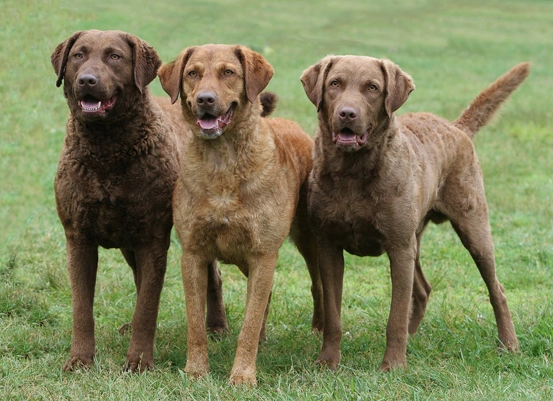
So should you consider color at all? Only in these practical ways:
- Climate: In very hot climates, a lighter deadgrass coat might be marginally cooler in the sun. Conversely, a dark brown coat in a cold, northern climate will absorb more winter sunshine.
- Grooming Visibility: Lighter coats show dirt and grass stains more. If you're a neat freak, a darker brown might save you some aesthetic stress.
- Your Preference: It's okay to like one shade over another! Just don't let it be your primary decision-maker.
Your focus should be on the breeder. A reputable breeder health tests the parents (hips, elbows, eyes) and prioritizes stable, trainable temperaments. The color of the puppies is a happy bonus. Ask to see the parents. Their coats will give you the best preview of what your puppy's adult color and, more importantly, coat texture will be.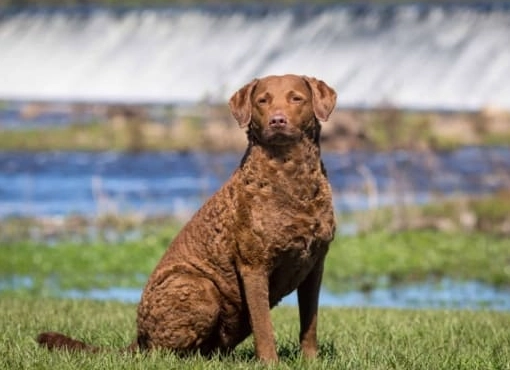
Chesapeake Bay Retriever Colors: FAQs
Absolutely normal, especially for sedge and some brown dogs. It's called "sun bleaching" or "rusting." The sun oxidizes the pigments in the outer coat, bringing out reddish tones. It's most common on the back, ears, and top of the head where the sun hits hardest. It doesn't harm the coat. Some owners love the patina it gives. If you dislike it, limit midday sun exposure. But honestly, it's a sign of a dog living an active, outdoor life—which is what Chessies are meant for.
Not inherently. Skin issues in Chessies are usually related to allergies (food or environmental), thyroid problems, or that infamous oily coat getting clogged and causing sebaceous adenitis. Coat color isn't a factor. A pale deadgrass dog with a healthy coat and good genetics is no more at risk than a dark brown one. The bigger risk factor is from breeders who don't screen for skin health.
Yes, they can. Chesapeake color genetics aren't simple dominant/recessive like in some breeds. It's polygenic, meaning multiple genes interact to produce the final shade. Two darker dogs can carry and pass on the genes for lighter pigmentation. This is why you can see a range of colors in a single litter. A good breeder can often predict the likely range based on the parents' pedigrees, but surprises happen.
Using a furminator-style deshedding tool too aggressively. Those blades can easily cut and damage the harsh, protective outer guard hairs of the coat. Once those are damaged, the coat loses its texture and weather resistance. Stick to an undercoat rake (which has rounded teeth) for the thick undercoat and a slicker brush for the topcoat. Preserve that pelt—it's the breed's defining feature.
In the show ring, the ideal is a clear, self-color within the acceptable range. A muddy, washed-out color or excessive white markings can be penalized. However, no single shade (deadgrass vs. sedge vs. brown) has a consistent advantage. Judges are looking for the complete package: structure, movement, temperament, and a correct coat. The color should be appropriate and pleasing, but a mediocre brown dog won't beat an excellent deadgrass dog. Focus on the dog, not the ribbon color.
Reader Comments