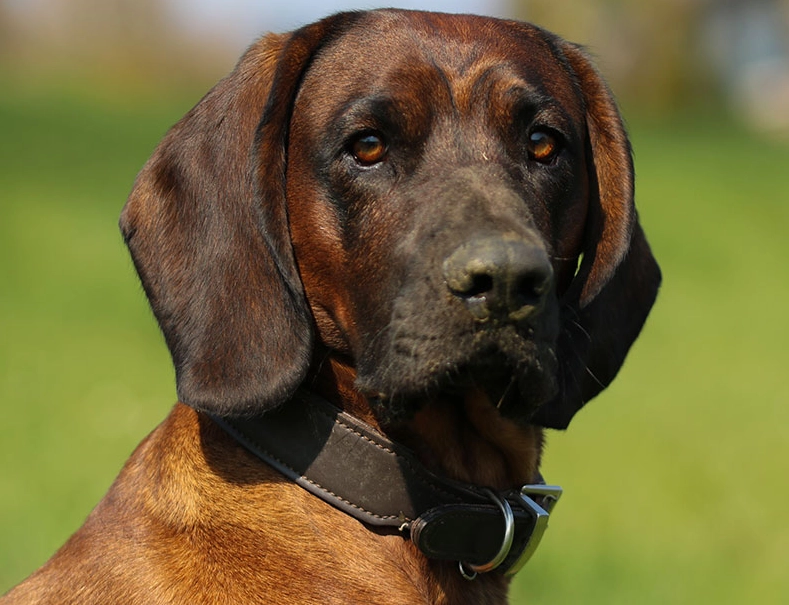
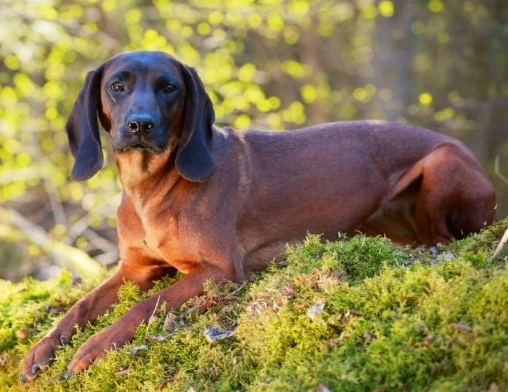
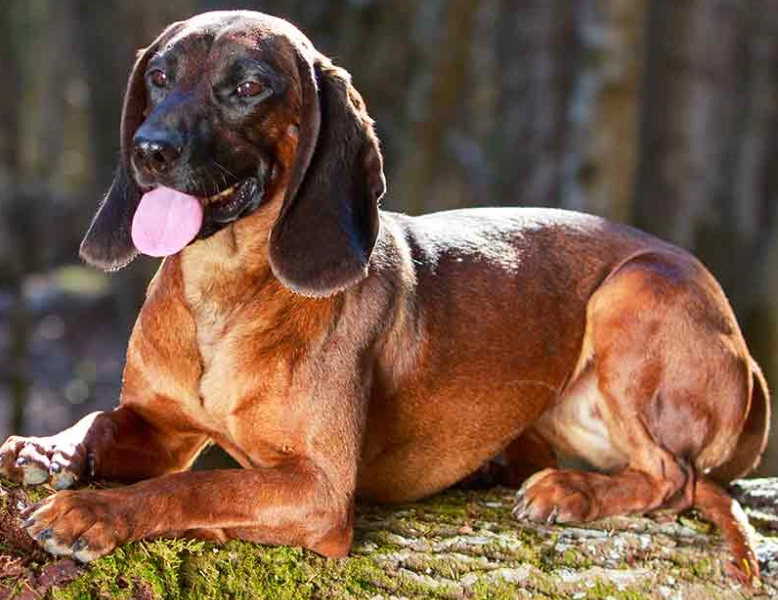
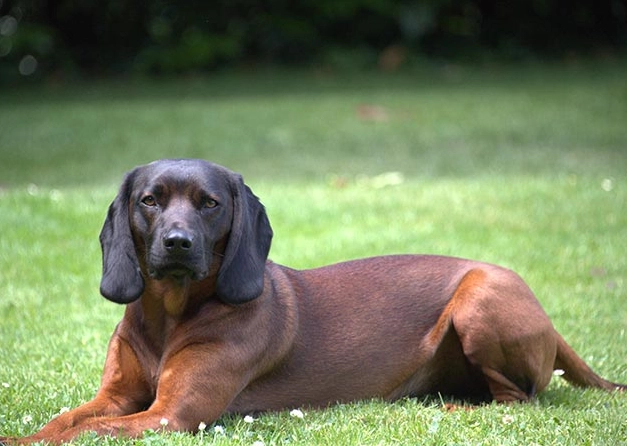
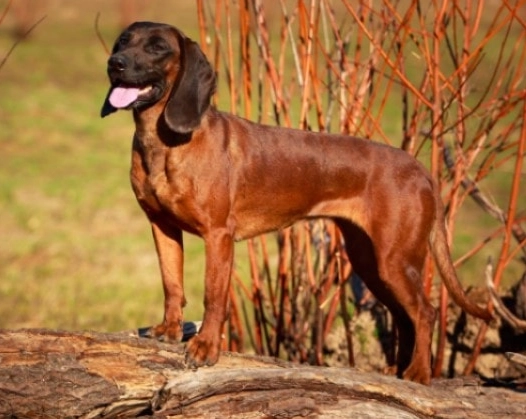
So, you're wondering if a Bavarian Mountain Hound makes a good pet. The short, honest answer is: yes, but only for a very specific, active type of household. For the right person, they are incredibly loyal, intelligent companions. For the wrong one, they can be a source of immense frustration. This isn't your average family dog, and understanding that distinction is everything. I've spent years around various scenthounds and working breeds, and the Bavarian Mountain Hound (or Bayerischer Gebirgsschweißhund) stands out for its single-minded focus and quiet intensity. Let's cut through the generic breed descriptions and talk about what living with one is actually like. Developed in 19th century Bavaria, Germany, this breed was engineered for one job: tracking wounded game (like deer and boar) over rough, mountainous terrain. Every part of them serves that purpose. They are medium-sized, muscular, and built for endurance, not speed. Their coat is short, dense, and lies flat—easy to maintain but developed to protect from brambles and cold. Colors are typically shades of red, fawn, or brindle. This is a rare breed outside of continental Europe. You won't see them at every dog park. According to the American Kennel Club, they are part of the Foundation Stock Service, meaning they are recognized but not yet fully registered. This rarity matters because it affects breeder availability and general public knowledge about them. Forget the hyper, slobbery hound stereotype. The Bavarian is often described as calm, steady, and even-tempered at home. They form deep, quiet bonds with their family and can be real couch potatoes after a day's work. But here's the crucial flip side: they are highly independent thinkers. Bred to make decisions miles away from their hunter, they don't have the innate desire to please that a Labrador or Golden Retriever does. They cooperate because they see the value in it, not for empty praise. This independence is often mistaken for stubbornness. Their most defining trait is an extraordinary sense of smell and intense tracking drive. When that nose goes down, the world disappears. This isn't a casual sniff; it's a deep, all-consuming focus. This drive is the core of their being and the biggest factor in whether they succeed as a pet. A Personal Observation: I've seen a Bavarian Mountain Hound on a scent trail completely ignore a squirrel running across its path. A typical dog would give chase. The Bavarian didn't even register it—the original scent was the only mission. This laser focus is impressive but also tells you about their priorities. This is the number one deal-breaker. A leashed walk around the block is utterly pointless for this breed. It does nothing for their mind or their true physical needs. They require a minimum of 1.5 to 2 hours of vigorous, engaging activity daily. And I'm not talking about just running. Without this level of output, you will see problem behaviors: restlessness, destructive chewing, excessive barking, and escape attempts. A bored Bavarian Mountain Hound is a master of finding trouble. Training a Bavarian is less about strict obedience and more about building a partnership based on mutual respect and high-value motivation. The Common Mistake: Trying to train them like a biddable herding dog. Using repetitive drills or relying solely on verbal praise will fail. They get bored quickly and will simply disengage. The Expert Approach: You must become the source of the best rewards. This often means food, but not just kibble. Think high-value: real meat, cheese, hot dogs. Play and access to tracking opportunities can also be powerful rewards. Focus on impulse control and a bulletproof recall from day one. Given their drive to follow a scent, a reliable recall is a safety essential, not a party trick. Train this in increasingly distracting environments, always with top-tier rewards. Never punish them for coming back, even if it took five minutes. Socialization is critical. Expose them to various people, sounds, surfaces, and other animals from puppyhood to build a confident, stable adult. A poorly socialized Bavarian can become wary or anxious. With their own family, including respectful children, they are typically gentle, loyal, and affectionate. They are not known for being nervous or snappy. However, they are not naturally "nanny" dogs. Their tolerance for clumsy handling or loud, chaotic play is limited. They may simply get up and leave. All interactions between dogs and young children must be supervised. Teach kids to respect the dog's space, especially when eating or sleeping. With other dogs, they usually do fine, especially if raised together. Their working background means they were often used in packs. The bigger challenge is with small non-canine pets. Their high prey drive, honed for tracking game, can make cats, rabbits, or pet birds a target. Early, positive introduction and careful management are absolutely necessary, and in many homes, coexistence with small animals is not advisable. This is a generally robust breed with a lifespan of 10-12 years. Responsible breeders screen for certain conditions, which you should ask about. Grooming is straightforward. Their short coat needs a weekly brush to remove loose hair. They are average shedders. Nails should be trimmed regularly, and dental care (brushing or dental chews) is important for overall health. Let's make this practical. Don't just think about whether you like the idea of the dog; assess if your life matches its needs. If you're still intrigued, your next step is to find a reputable breeder. Expect to be on a waiting list. Ask to see health clearances for the parents (hips, elbows). A good breeder will interview you as thoroughly as you interview them. Consider contacting breed-specific rescue organizations; sometimes adults become available who need experienced homes.Quick Navigation: What's in This Guide?
Breed Overview: More Than Just a Nose

The Real Bavarian Mountain Hound Temperament
Exercise Needs: It's Not Just a Walk
What Does "Vigorous Activity" Actually Mean?
How to Train a Bavarian Mountain Hound? (Spoiler: It's Different)
Are Bavarian Mountain Hounds Good with Children and Other Pets?
Health and Grooming: Keeping Them Sound

Is a Bavarian Mountain Hound Right for You? The Decision Matrix
This Dog Is Likely a GREAT Fit If You...
This Dog Is Likely a POOR Fit If You...
Are an avid hiker, runner, or outdoorsperson with daily time for long, engaging activity.
Want a dog for casual neighborhood walks or have a sedentary lifestyle.
Have a securely fenced yard (6-foot minimum, as they can jump) or live near safe, open spaces.
Live in an apartment without immediate access to expansive, sniffable areas.
Enjoy training as a mental challenge and are patient with independent thinkers.
Are a first-time dog owner or want a highly obedient, eager-to-please breed.
Have a quiet(ish) home or can provide a calm space for the dog to decompress.
Have a very chaotic household with constant, high-energy activity.
Are not bothered by some dog hair and are committed to routine veterinary care.
Have cats or other small pets and are unwilling to manage interactions constantly.
Your Questions, Answered
Can a Bavarian Mountain Hound live in an apartment?
It's a significant challenge, bordering on unfair to the dog. While they can be calm indoors, their massive exercise and mental stimulation needs are nearly impossible to meet without immediate, easy access to large, open spaces for running and sniffing. An apartment dweller would need to dedicate multiple hours every single day to transporting the dog to suitable areas—a recipe for burnout for most people.
Are Bavarian Mountain Hounds good for first-time dog owners?
Rarely. Their combination of high physical/mental needs, independent temperament, and strong tracking instinct presents a steep learning curve. A first-time owner is often still learning basic dog communication and training fundamentals. Starting with a more biddable, less driven breed builds the skills and confidence that might later qualify you for a Bavarian.
How much does a Bavarian Mountain Hound puppy cost from a reputable breeder?
Given their rarity, expect prices to range from $1,800 to $3,000 or more in North America. The lower end of that range should raise questions. A reputable breeder invests heavily in health testing, proper care for the dam and litter, and early socialization, which is reflected in the cost. This initial price is a fraction of the lifetime cost of care, which includes food, vet bills, training, and equipment.
My Bavarian Mountain Hound ignores me when he's on a smell. How do I get his attention back?
You're fighting millions of years of evolution. The key is prevention and high-value trading. First, manage the environment—use a long-line leash in unfenced areas. For recall, you need a reward that beats the scent. For many Bavarians, that's a special squeaky toy you only bring out for training, or a "jackpot" of incredibly smelly food (like dried liver). Practice recall in low-distraction areas first, building up value for your cue, before expecting it to work against a compelling scent.
Do they bark a lot?
They are not nuisance barkers by nature. However, they have a distinctive, deep bark or bay that they use when on a trail or sometimes to alert. A bored or under-exercised Bavarian will certainly use its voice out of frustration. Proper daily fulfillment is the best deterrent against excessive barking.
Comment