That first glimpse of a Basset Bleu de Gascogne puppy—those soulful eyes, the long velvety ears, and that distinctive blue mottled coat—can make anyone's heart melt. It's easy to think you've just found the perfect, low-key companion. I thought so too, years ago. But here's the truth most generic breed guides miss: this isn't just a "French Basset Hound." Bringing home a Bleu de Gascogne basset pup is like inviting a determined, nose-driven historian into your life. They're built for a specific job, and ignoring that is where most new owners hit their first major snag.
What's Inside?
- Breed Basics: The Blue Hound from Gascony
- Is a Basset Bleu de Gascogne Puppy Right for You?
- Finding and Choosing Your Basset Bleu Puppy
- The Real Cost of a Rare Hound Puppy
- Bringing Your Puppy Home: The First 30 Days
- Training & Socialization: Working With the Nose
- Daily Care for Your Growing Bleu
- Lifelong Health: What to Watch For
- Your Basset Bleu de Gascogne Questions Answered
Breed Basics: The Blue Hound from Gascony
Let's clear something up immediately. The "Bleu" in their name doesn't refer to a mood; it describes the unique black-and-white ticking on their coat that gives a slate-blue appearance from a distance. They originate from the Gascony region in southwest France, bred to hunt in packs for hare and other small game. This is crucial context. A Basset Bleu de Gascogne puppy is born with a genetic roadmap that says "find scent, follow scent, voice alert."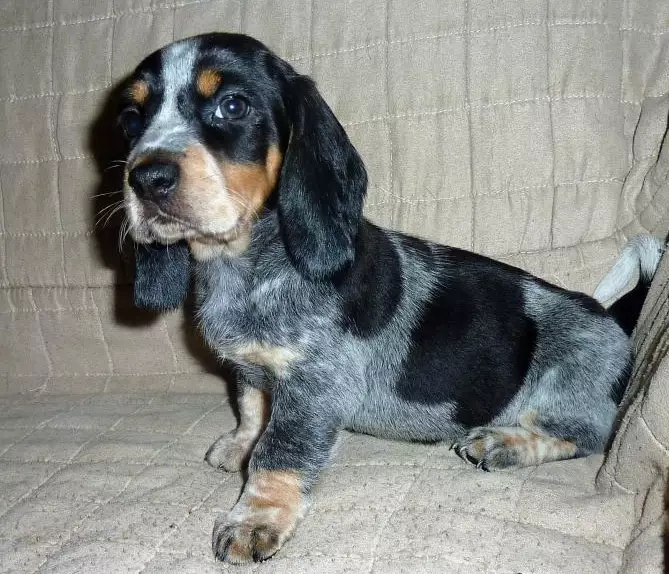
Their temperament is often mislabeled as "stubborn." I find that unfair. They are independent problem-solvers. When their nose is down, their priority is the trail, not your "come" command. This isn't disobedience in their mind; it's focus. They are affectionate and good-natured with their family, often forming a deep bond, but they retain a certain self-possessed dignity that's different from, say, a clingy Labrador.
A Common Misconception: Many assume all basset-type dogs are slow and sedentary. The Basset Bleu has more energy and endurance than its shorter-legged cousin, the Basset Hound. They are trotters, capable of covering miles if a scent captivates them.
Is a Basset Bleu de Gascogne Puppy Right for You?
This is the most important section. Owning a rare breed comes with unique challenges. Be brutally honest with this checklist.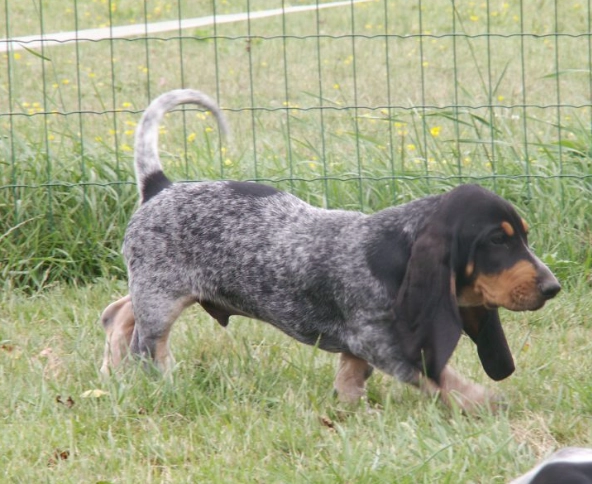
| An Ideal Home For a Bleu Puppy... | A Home That Should Reconsider... |
|---|---|
| Has a securely fenced yard (6-foot minimum, check for dig-proofing). | Relies on an invisible/electric fence or has an unfenced yard. |
| Values mental stimulation (scent games, puzzle toys) as much as physical walks. | Wants a purely couch-potato dog or only does repetitive exercise like jogging. |
| Appreciates a vocal dog (they have a beautiful, deep bay used for communication). | Lives in an apartment with thin walls or has zero tolerance for barking/howling. |
| Is patient with training, using positive reinforcement and food motivation. | Expects immediate, robotic obedience or uses harsh correction methods. |
| Has time for consistent socialization with various people, dogs, and environments. | Has a very isolated or unpredictable lifestyle. |
I've seen these dogs thrive in active rural and suburban homes. They can do well in city apartments if their owner is relentlessly committed to providing enough sensory and physical outlet. It's a big "if."
Finding and Choosing Your Basset Bleu Puppy
Because they are a rare basset hound breed, you won't find them at the local pet store (and you shouldn't be looking there anyway). Finding a reputable breeder is a project.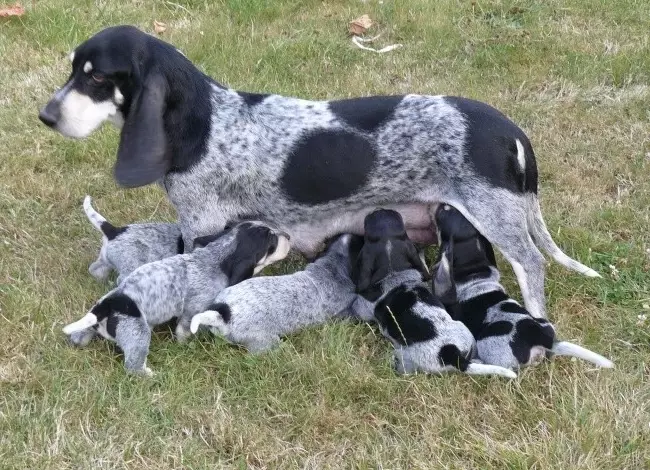
- Start with the Parent Club: In the U.S., the Basset Bleu de Gascogne Club of America is your primary resource. They maintain a breeder referral list. Similar clubs exist in the UK, Canada, and Europe.
- Ask the Right Questions: Don't just ask about price. Ask about health testing on the parents (hips, eyes, cardiac), the socialization protocol they use for puppies, and what they do with dogs they've bred if an owner can no longer keep them. A good breeder will interview you just as thoroughly.
- Expect to Wait: Litters are infrequent. You may be on a waitlist for 6 months to over a year. This is a sign of a breeder who isn't overbreeding their dogs.
- Red Flags: Multiple litters always available, willingness to ship a puppy without a conversation, no health clearances, pressure to pay quickly.
When you visit, observe the puppies. Look for one that is curious and interactive, not overly shy or aggressively pushy. A good breeder will help match a puppy's personality to your lifestyle.
The Real Cost of a Rare Hound Puppy
Let's talk numbers. The initial purchase price is just the start.
| Expense Category | Estimated Initial Cost (First Year) | Ongoing Annual Cost | Notes |
|---|---|---|---|
| Puppy Purchase | $1,800 - $3,500+ | N/A | Varies greatly by breeder reputation, location, and lineage. |
| Initial Vet Care & Supplies | $800 - $1,200 | N/A | Vaccinations, spay/neuter, microchip, crate, bed, bowls, leash, collar, toys. |
| High-Quality Food | $400 - $700 | $500 - $900 | Medium-large breed puppy formula, then adult maintenance. |
| Pet Insurance / Health Fund | $300 - $600 | $400 - $800 | Highly recommended. Breed-specific plans can mitigate big bills later. |
| Training & Socialization | $200 - $500 | $100 - $300 | Puppy classes are essential. Ongoing advanced scent work or obedience is a great outlet. |
| Grooming | $50 - $150 | $100 - $300 | Basic tools for home grooming. Professional help for nails/ears if needed. |
The first year can easily cost between $3,500 and $6,000. It's a significant investment in a 12-14 year companion.
Bringing Your Puppy Home: The First 30 Days
The first month sets the tone. Here’s a non-negotiable prep list:
- Puppy-Proof: Get on their level. Electrical cords, loose shoes, toxic houseplants (like lilies or sago palms), and small choking hazards must be secured.
- Set Up a Sanctuary: A crate in a quiet corner, not a hallway. A playpen attached to it creates a safe "yes" space.
- Schedule the Vet: Book a wellness check within 72 hours of bringing them home, as most breeders require this.
- Plan Your Time: If possible, take at least a week off work. The bonding and initial potty training rhythm are critical.
The biggest mistake I see? Not establishing a potty routine immediately. Take them out after every nap, meal, and play session. Praise lavishly for success outside. No yelling for accidents inside—just clean it thoroughly with an enzymatic cleaner. Consistency here prevents months of frustration.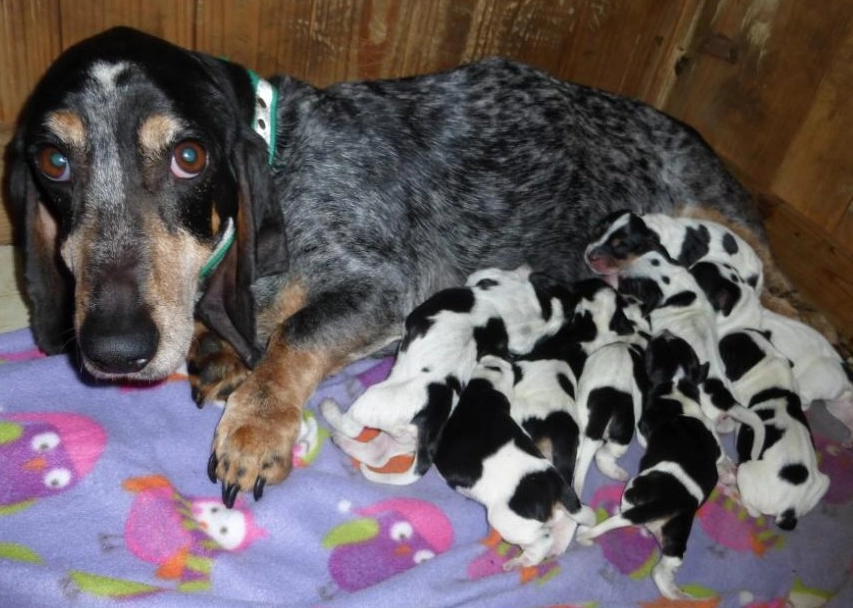
Training & Socialization: Working With the Nose
Forget force-based training. A Basset Bleu de Gascogne puppy will shut down. Your currency is high-value food (think chicken, cheese, liver) and patience.
Mastering the Two Most Important Commands
1. Recall ("Come"): This is your safety net. Start in a boring, enclosed space. Use a happy voice, treat, and never call them to scold them. As they get older, practice on a 30-foot long line in safe, distracting environments. This takes months of reinforcement.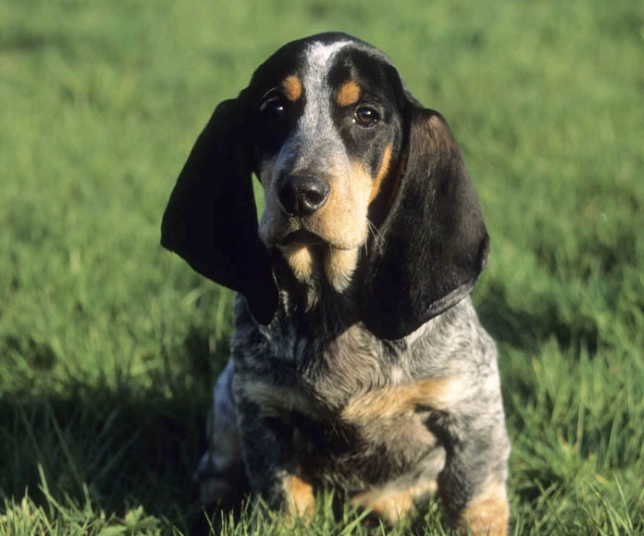
2. "Leave It": Crucial for a scent hound who finds everything. Start with a low-value item in your fist, say "leave it," and reward when they back off. Gradually increase difficulty.
Socialization is Not Just Dog Parks
It's about positive exposure. Before 16 weeks, let them experience (from a safe distance): different floor surfaces, kids on bikes, umbrellas, vacuum cleaners, men with hats, other calm dogs. Puppy kindergarten classes are gold for this. A poorly socialized Bleu can become timid or reactive.
Daily Care for Your Growing Bleu
Grooming: That short coat is low-shedding but not no-shedding. A weekly brush with a rubber curry or hound glove removes dead hair and spreads skin oils. The real focus is the ears. Check and gently clean them weekly with a vet-approved ear cleaner to prevent infections. Trim nails regularly to avoid posture issues.
Feeding: Use a high-quality, large-breed puppy formula to support controlled bone growth. Follow portion guidelines and adjust based on body condition—you should always be able to feel their ribs. Avoid rapid eating with a slow-feed bowl.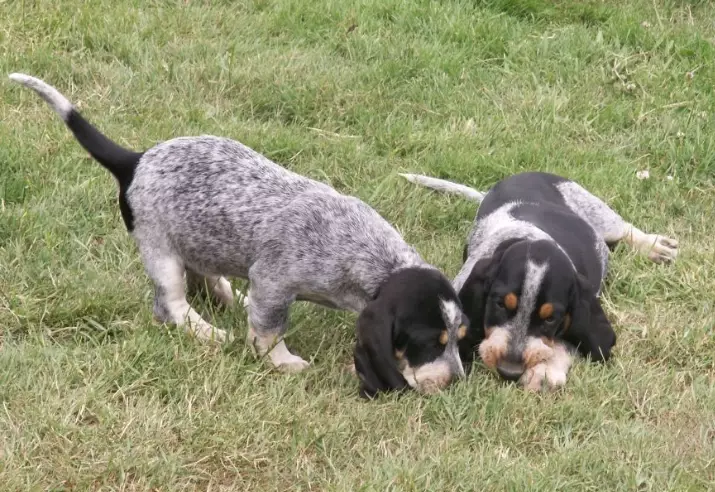
Exercise: Puppies need short, frequent play sessions. Avoid forced long walks or jogging until their growth plates close (around 18 months). Mental exercise is equally tiring. Hide treats in a snuffle mat, play "find it" with a scented toy, or introduce basic puzzle feeders.
Lifelong Health: What to Watch For
Overall, they are a robust breed. Responsible breeders screen for:
- Hip Dysplasia: A malformation of the hip joint. Ask breeders for OFA or PennHIP scores on the parents.
- Eye Conditions: Such as primary glaucoma or ectropion/entropion (eyelid issues).
- Cardiac Issues: Some lines may be screened for certain heart conditions.
Due to their deep chest, they can be prone to bloat (GDV). Know the symptoms (restlessness, unproductive retching, distended abdomen) and have your vet's emergency number saved. Feeding smaller, frequent meals and avoiding vigorous exercise right after eating can help reduce risk.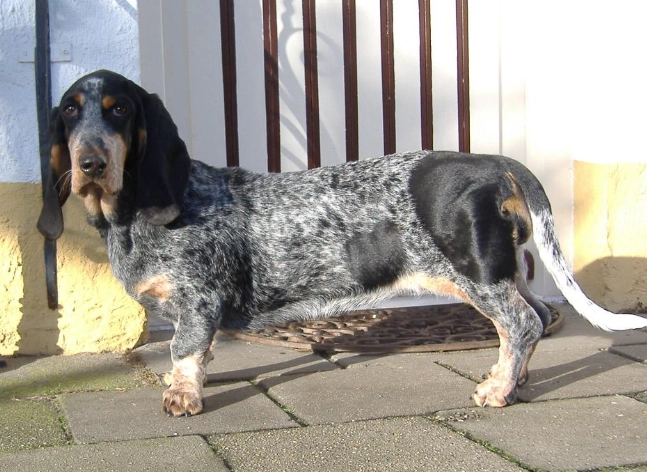
Your Basset Bleu de Gascogne Questions Answered
Owning a Basset Bleu de Gascogne is a commitment to understanding a working dog's mind in a companion's body. It's not always easy, but for the right person, the reward is a loyal, character-filled companion with a unique history and an unforgettable presence. Do your homework, prepare your home and your patience, and you could gain a friend for life.
Reader Comments