You see them in the field, a blur of orange and white or liver and white, moving with a grace that seems effortless. Their nose is to the ground, then up in the air, then they freeze—a perfect, statuesque point. This is the Brittany in its element, a born hunter. But bring that same dog home, and you might find it curled on the couch, head in a child's lap, or gently retrieving a tossed ball in the backyard. This duality is what makes the Brittany spaniel (though many enthusiasts and kennel clubs have dropped the "spaniel") one of the most fascinating and, in my opinion, underrated family dogs for the right household.
I've lived with Brittanys for over a decade, guided first-time owners through the puppy chaos, and helped rehabilitate a few that were simply mismatched with a sedentary lifestyle. This guide isn't just a list of breed facts. It's a deep dive into what life with a Brittany is really like—the sublime joys and the very real challenges.
What's Inside: Your Brittany Roadmap
- More Than a Hunter: The Brittany's Surprising History
- The Brittany Personality: A High-Octane Companion
- Is a Brittany Dog Right For You? The Honest Checklist
- Training Your Brittany: It's About Partnership, Not Domination
- Brittany Health & Lifespan: What to Watch For
- Grooming & Daily Upkeep: Surprisingly Low Maintenance
- Your Brittany Questions, Answered
More Than a Hunter: The Brittany's Surprising History
Most people know the Brittany as a gun dog from France. True, the breed originated in the Brittany province in the 1800s, likely from crosses between local pointing dogs and English Setters. But here's a nuance often missed: they were never the sole property of the aristocracy. They were the farmer's and poacher's dog, prized for working close, being economical to feed, and having a versatile "soft mouth" that could retrieve a bird without damaging it. This working-class origin is key to understanding their temperament—they're hardy, adaptable, and bred to work with people, not just for them.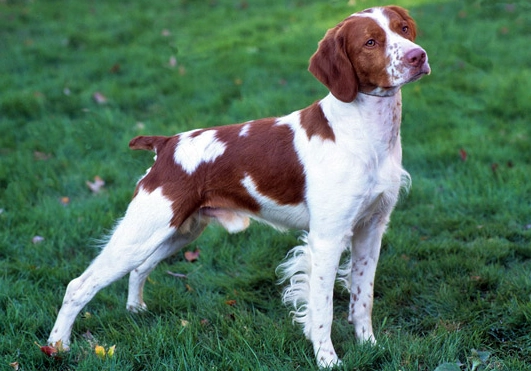
The American Kennel Club (AKC) recognized them as "Brittany Spaniels" in 1934. However, by the 1980s, American breeders had developed a slightly leggier, faster dog with less coat, emphasizing field performance. The AKC dropped "Spaniel" from the name in 1982, a point of some debate even today among traditionalists. The American Kennel Club and the United Kennel Club both have detailed breed standards that highlight this evolution.
The Brittany Personality: A High-Octane Companion
Describing a Brittany as "friendly and energetic" is like describing the ocean as "wet." It's accurate but fails to capture the essence. Their energy is a focused, buzzing intelligence. They don't just run; they scan, process, and investigate. A bored Brittany isn't just lazy; it's a creative problem-solver, and the "problems" it solves might be how to open the pantry door or redecorate your couch with its stuffing.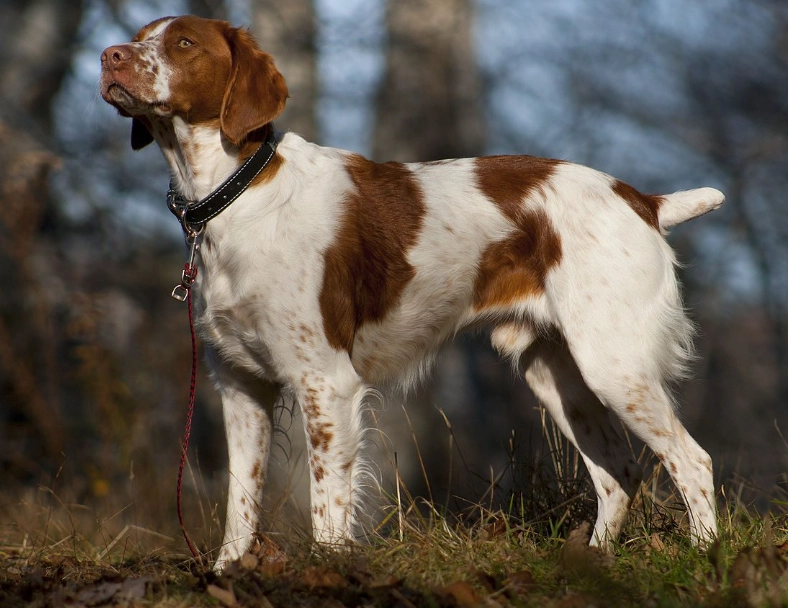
Let's break down their core traits in a way that relates to daily life:
| Trait | What It Looks Like in Real Life | Potential Challenge if Ignored |
|---|---|---|
| High Energy & Stamina | Needs 60-90+ minutes of vigorous activity daily. Think running, hiking, advanced fetch, field training. | Destructive chewing, excessive barking, hyperactivity indoors, "zoomies" at inappropriate times. |
| Intelligent & Willing to Please | Learns commands quickly, excels at dog sports (agility, rally, dock diving). Thrives on positive reinforcement. | Will learn bad habits just as quickly. Can become manipulative or "selectively deaf" if training is inconsistent. |
| Affectionate & People-Oriented | True velcro dogs. Will follow you from room to room. Excellent with considerate children. | Prone to separation anxiety if not taught independence from puppyhood. Can be overly exuberant for very small kids. |
| Soft & Sensitive Nature | Responds poorly to harsh corrections or yelling. Eager to cooperate for praise and treats. | Can become shy or fearful if socialized poorly or trained with heavy-handed methods. |
Their pointing instinct isn't just for birds. I've seen my own Brittany point at a butterfly, a leaf blowing in the wind, and once, mysteriously, at the dishwasher. It's a hardwired pause, a moment of intense concentration that's beautiful to witness.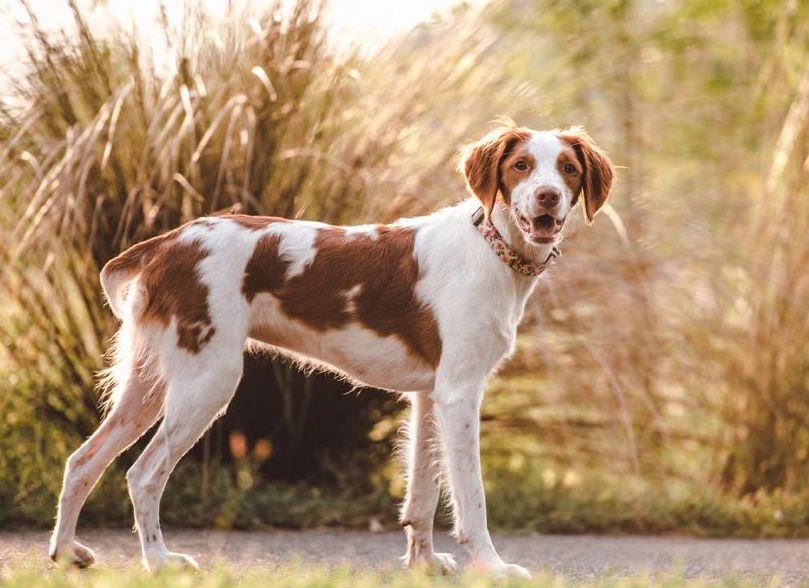
Is a Brittany Dog Right For You? The Honest Checklist
Don't just ask if you like the breed. Ask if your lifestyle can support the breed. Here’s a brutally honest assessment:
You might be a great fit if you:
- Lead an active, outdoor-oriented life (runner, hiker, hunter, field trial enthusiast).
- Have a securely fenced yard (6-foot fencing is recommended—they can jump).
- View dog training as a fun, ongoing partnership and are committed to positive methods.
- Want a dog that is a true participant in your family life, not just a decoration.
- Have time for structured mental stimulation (puzzle toys, scent games, training sessions).
You should reconsider if you:
- Want a low-energy, "couch potato" companion.
- Live in an apartment without immediate, dedicated access to large open spaces for daily rigorous exercise.
- Are away from home for 8+ hours regularly without a plan for the dog's care and exercise.
- Prefer a more aloof or independent dog.
- Get frustrated easily with sensitive animals.
Training Your Brittany: It's About Partnership, Not Domination
Training a Brittany is less about issuing commands and more about channeling a river of enthusiasm in the right direction. Their sensitivity is your greatest tool.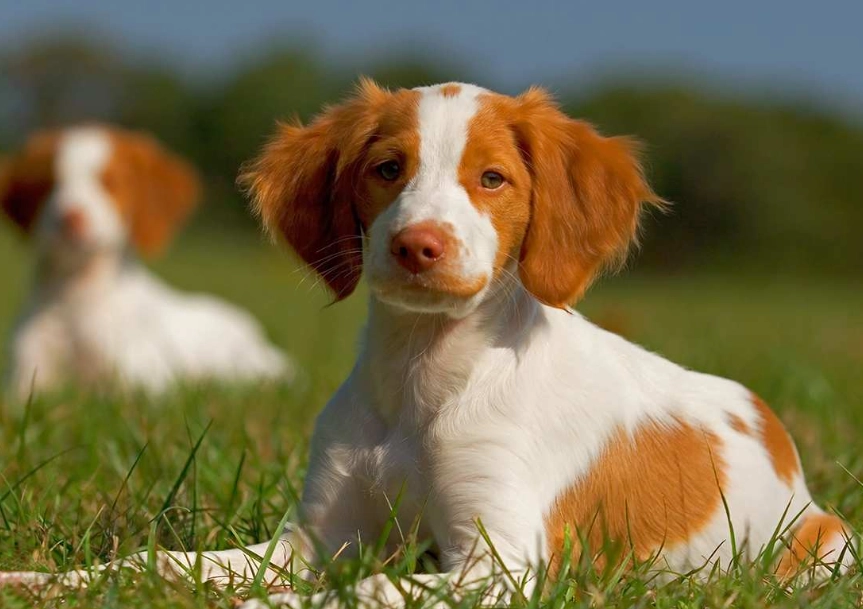
Foundations: The Non-Negotiables
Crate Training: This is your sanity-saver and their safe den. Make it positive from day one with meals and treats. A tired, crate-trained Brittany is a peaceful Brittany when you need to leave the house.
Socialization: This isn't just meeting other dogs. It's positive exposure to the whole world: different surfaces, sounds, people of all ages and appearances, traffic, vacuums. The critical window is before 16 weeks. A poorly socialized Brittany can become a nervous wreck.
Basic Obedience with a Twist: "Sit," "stay," and "come" are vital. But for a Brittany, a bomb-proof recall is the most important command you'll ever teach. Start in low-distraction environments and build up slowly. Use a long line for safety. Their hunting instinct can make them deaf to your calls when a scent takes over.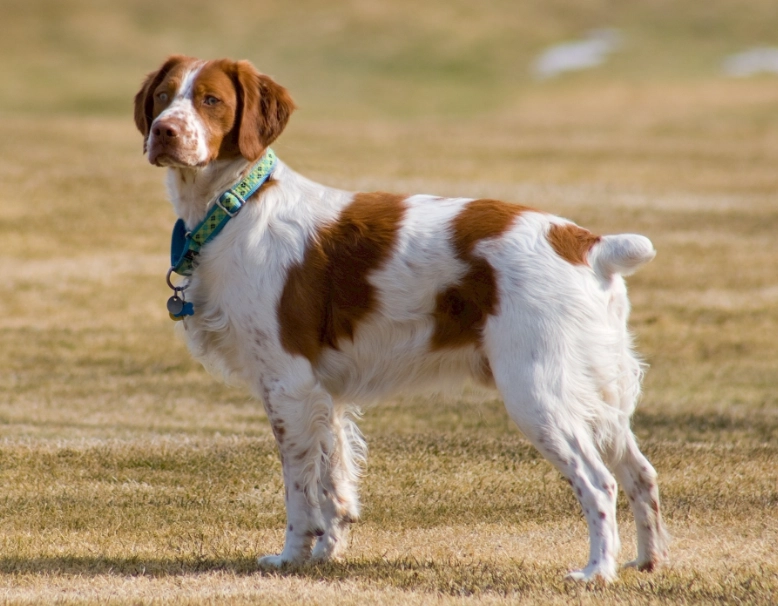
Advanced Channeling: Giving Them a Job
This is where you prevent problems. A Brittany with a job is a happy Brittany.
Field Training: Even if you don't hunt, basic field-style training (introducing a wing on a string, teaching "whoa" to reinforce the point) taps directly into their genetics. Local Brittany clubs or NAVHDA (North American Versatile Hunting Dog Association) chapters are great resources.
Dog Sports: Agility, flyball, barn hunt, nose work. These are fantastic outlets. I've seen Brittanys excel in agility because of their speed and willingness, but they can be more impulsive than a Border Collie, so patience is key.
Structured Play: Turn fetch into a training session. Incorporate "drop it," "wait," and directional signals. Use a flirt pole for prey drive in a controlled way.
Brittany Health & Lifespan: What to Watch For
Brittanys are generally healthy, with a lifespan of 12-14 years, sometimes longer. Being a responsible owner means knowing the potential issues. Reputable breeders test their breeding stock. You should always ask to see these test results.
- Hip Dysplasia: A malformation of the hip joint. Ask breeders for Orthopedic Foundation for Animals (OFA) or PennHIP scores. Proper weight management and avoiding excessive jumping as a puppy can help.
- Epilepsy: Idiopathic epilepsy can occur in the breed. It's manageable with medication but requires lifelong veterinary care.
- Autoimmune Thyroiditis: A common thyroid disorder. Annual blood screening is advised, especially as they age. Symptoms can include weight gain, lethargy, and skin issues.
- Eye Conditions: Conditions like hereditary cataracts can be screened for. The Canine Eye Registration Foundation (CERF) exam is a standard breeder test.
The OFA website is a public database where you can look up health clearances for a dog's parents. A breeder who is transparent about health is a huge green flag.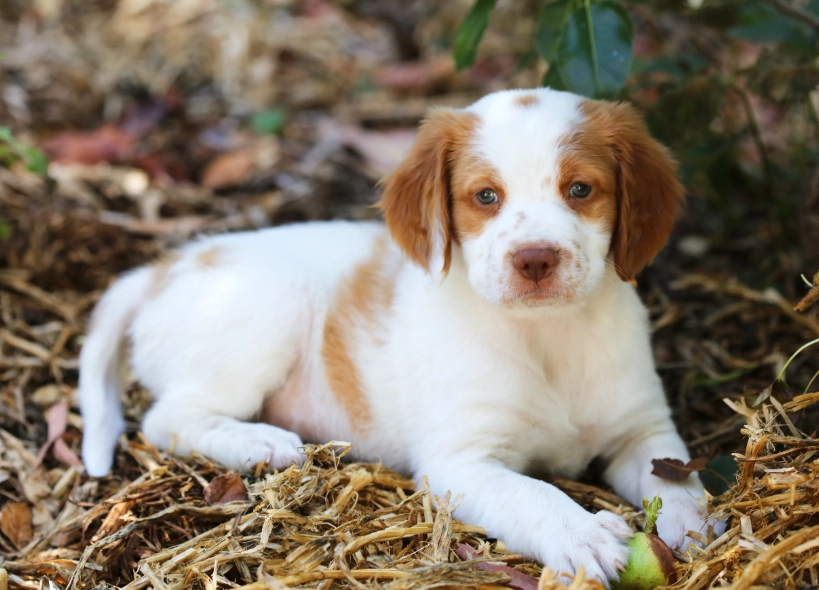
Grooming & Daily Upkeep: Surprisingly Low Maintenance
Their coat is one of their best features—flat or wavy, dense enough to protect from brambles, but not overly long. It sheds moderately. A good brushing 2-3 times a week with a slicker brush or grooming mitt will control loose hair and keep the coat healthy. They only need baths when dirty. Check and clean their ears weekly, as floppy ears can trap moisture. Trim nails regularly.
The real daily upkeep is in their energy management. It's not grooming; it's exercise.
Your Brittany Questions, Answered
Are Brittany dogs prone to separation anxiety?
Can a Brittany live happily in an apartment?
Are Brittanys good with cats or other small pets?
What's the difference between an "American" Brittany and a "French" Brittany?
My Brittany is over a year old and still seems hyper and uncontrollable. Did I get a defective dog?
Reader Comments