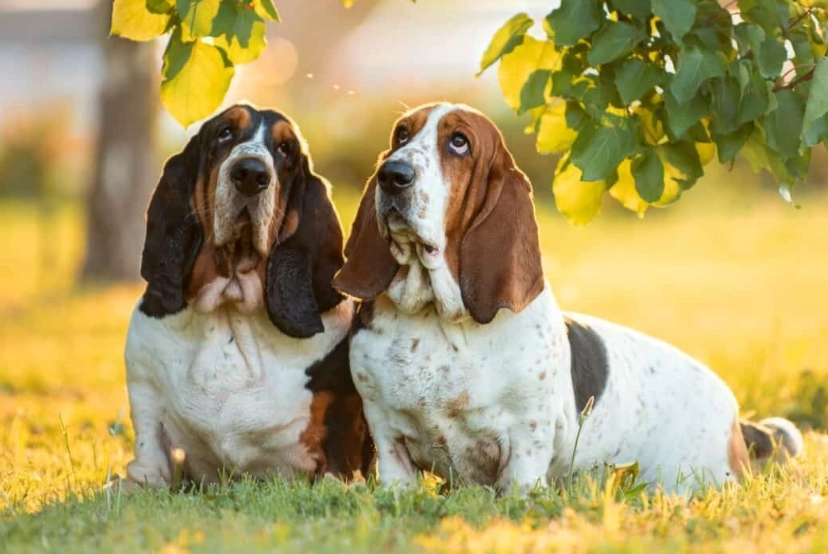
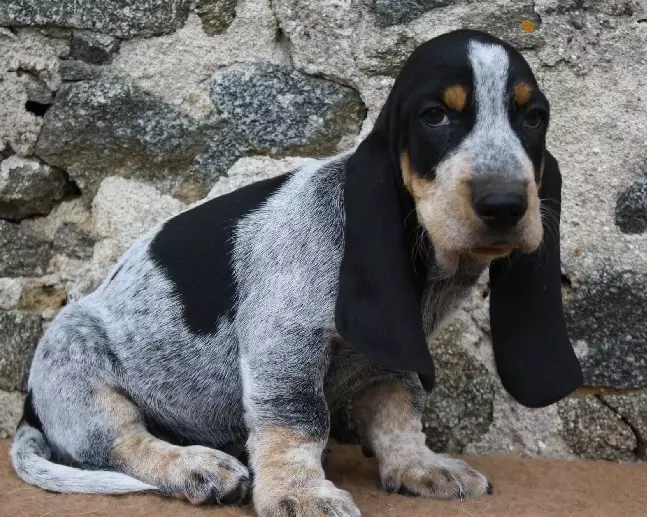
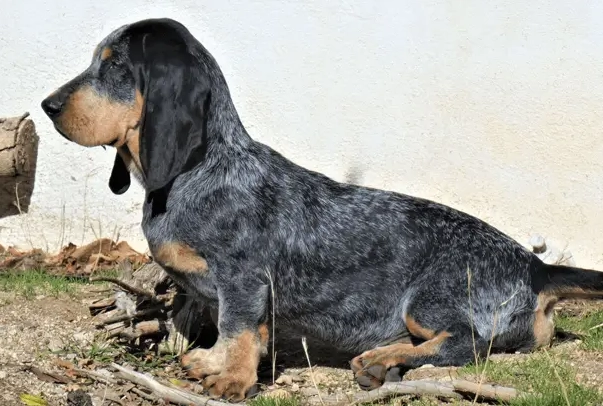
If you're looking at those long ears and droopy eyes, you might think all bassets are the same. But here's the thing: the Basset Hound and Basset Bleu de Gascogne are as different as tea and espresso. One's a laid-back TV star, the other's a rare French hunter with a blue coat. I've spent years around scent hounds, and the confusion between these two breeds is real—often leading people to pick the wrong dog for their lifestyle. Let's cut through the noise and get straight to what matters. Both breeds share roots in medieval France, but their paths diverged like country lanes. Understanding where they come from explains a lot about their quirks today. The Basset Hound we know today was largely developed in England during the 19th century, though its ancestors were French bassets used for hunting small game. Breeders crossed them with Bloodhounds to enhance scenting ability—that's why they've got those incredible noses. According to the American Kennel Club (AKC), the Basset Hound was recognized in 1885 and quickly became a popular family pet, partly thanks to characters like Droopy Dog. But here's a nuance many miss: that breeding focus on companionship softened their hunting drive compared to their French cousins. I've met owners who assume all bassets are lazy, but that's more true for the Basset Hound due to this selective history. The Basset Bleu de Gascogne hails from the Gascony region in southwest France and remains relatively unknown outside Europe. It's a direct descendant of the Grand Bleu de Gascogne, scaled down for hunting hare in dense brush. Unlike the Basset Hound, this breed was kept pure for centuries, with breeders prioritizing working ability over looks. The Fédération Cynologique Internationale (FCI) notes its rarity—there are only a few hundred in the U.S. I remember talking to a breeder in France who emphasized that Basset Bleus are still used as hunting dogs today, which shapes their energy levels. If you're considering one, don't expect a couch potato; this dog has a job in its genes. At a glance, they both have that classic basset silhouette: short legs, long body, and soulful eyes. But look closer, and the differences pop out. Let's break it down with a table, then dive into the details. The Basset Hound tends to be stockier—I've seen some that look like they've been stretched out horizontally. Their skin is looser, with those famous wrinkles, and their ears are so long they can trip over them. It's charming but high-maintenance; ear infections are a common issue if not cleaned regularly. Now, the Basset Bleu de Gascogne is sleeker. That blue ticking in the coat isn't actually blue; it's a mix of black and white hairs that gives a bluish sheen in certain light. It's a stunning effect, but it doesn't show up well in photos, which is why this breed is often overlooked online. Their eyes are darker and more alert, reflecting their hunting heritage. One owner told me her Basset Bleu moves like a gymnast compared to her plodding Basset Hound. This is where the rubber meets the road. Choosing based on looks alone is a rookie mistake I've seen many make. The Basset Hound is the quintessential easygoing buddy. They're calm, affectionate, and downright stubborn. Training requires patience because they'd rather follow their nose than your command. I recall a friend's Basset Hound who would ignore recall unless there was food involved—typical scent hound independence. They're great with kids and other pets, but that low energy means they can gain weight fast if not exercised. Don't be fooled by their laziness; they need daily walks to stay healthy, just not marathons. On the flip side, the Basset Bleu de Gascogne is more spirited. They retain a strong hunting instinct, so they're more alert and active. I've observed them in the field: they're determined, vocal (with a unique bay), and need mental stimulation. If you leave them bored, they might dig up your garden or chase squirrels relentlessly. They're still friendly and good-natured, but they suit owners who enjoy outdoor activities. A common misconception is that all bassets are low-energy; the Basset Bleu breaks that mold. Think about your daily routine. In an apartment? A Basset Hound might adapt better due to lower exercise needs. Have a yard and love hiking? A Basset Bleu could be your match. But here's a subtle point: Basset Bleus can be more reserved with strangers, while Basset Hounds are usually everyone's friend. Both breeds share some health concerns, but the severity varies. Let's talk real numbers and care tips. Basset Hounds are prone to obesity, ear infections, and back issues like intervertebral disc disease (IVDD) due to their long spine. The Orthopedic Foundation for Animals (OFA) recommends regular vet checks for hip dysplasia, though it's less common. Their lifespan is 10-12 years. Grooming isn't too bad—weekly brushing helps with shedding, but those ears need cleaning every week to prevent infections. I've seen owners skip ear care, and the vet bills add up fast. Basset Bleu de Gascognes are generally healthier, with fewer genetic problems because of their smaller gene pool and working background. They can still get ear infections, but less frequently. Their lifespan is similar, 10-12 years. Exercise is crucial: at least 30-60 minutes of activity daily. Without it, they develop behavioral issues. Grooming is easy—their short coat just needs occasional brushing. One thing people overlook: Basset Bleus are vocal. If you have close neighbors, that baying might be a problem. Feeding both breeds requires care. Use measured meals to prevent overeating, and avoid high-fat treats. For Basset Hounds, I recommend elevated food bowls to reduce strain on their neck and back. Let's put it all together with some hypothetical scenarios. These are based on my conversations with breeders and owners over the years. Scenario 1: First-time dog owner in a city apartment. Go for the Basset Hound. Their lower energy and adaptability make them forgiving for beginners. Just commit to ear care and weight management. Avoid the Basset Bleu unless you're ready for more training and exercise. Scenario 2: Active family with a suburban home and kids. Either could work, but the Basset Bleu de Gascogne might be more engaging if you enjoy outdoor play. Basset Hounds are gentler with toddlers, though. Consider your patience level—Basset Hounds are harder to train. Scenario 3: Hunter or someone wanting a working companion. The Basset Bleu is the clear choice. Their scenting ability is sharp, and they thrive with a job. Basset Hounds can hunt, but they're slower and more methodical. When sourcing a puppy, always check reputable breeders. For Basset Hounds, look for AKC-registered breeders who health test. For Basset Bleus, connect with clubs like the Basset Bleu de Gascogne Club of America. Adoption is rare for Basset Bleus, but Basset Hound rescues are common. Wrapping up, the choice boils down to your lifestyle. The Basset Hound is the comfort-food dog—predictable, sweet, and low-key. The Basset Bleu de Gascogne is the artisan option—rare, energetic, and with a touch of wildness. Whichever you pick, you're getting a loyal scent hound with personality to spare. Do your homework, meet the breeds if possible, and remember: those long ears come with big responsibilities.Quick Navigation: What You'll Find Here
Origins and History: Two Tales of Scent Hounds
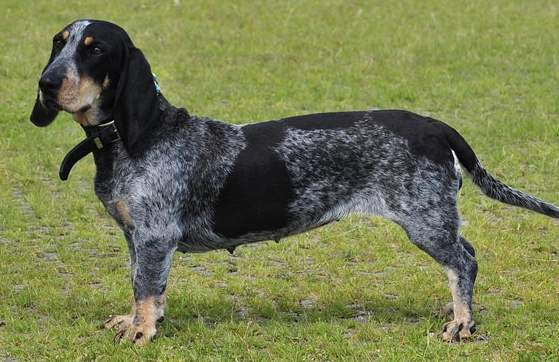
The Basset Hound: An English Icon with French Roots
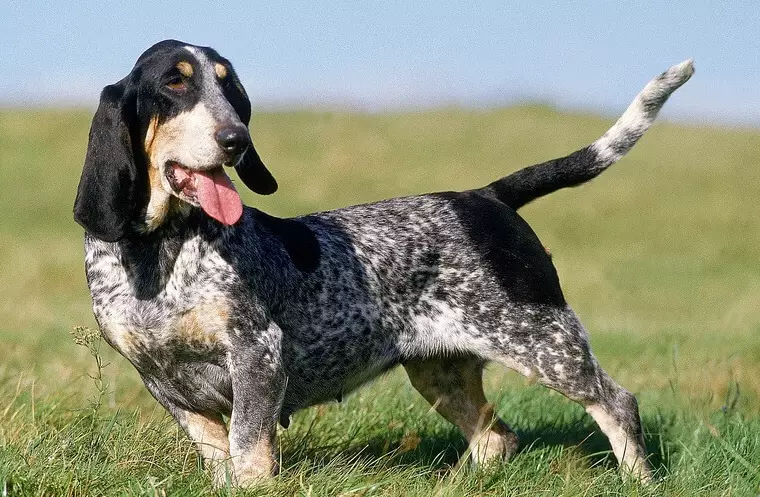
The Basset Bleu de Gascogne: A Rare French Treasure
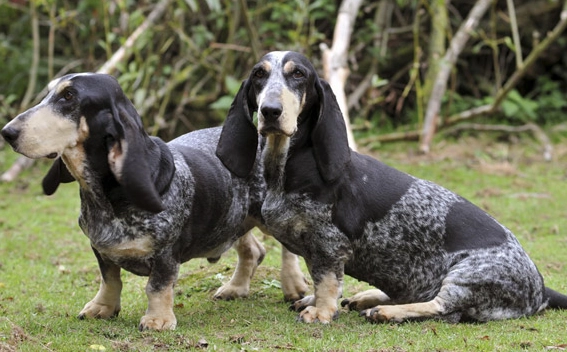
Appearance: More Than Just Floppy Ears
Feature
Basset Hound
Basset Bleu de Gascogne
Height
11-15 inches
13-15 inches
Weight
40-65 pounds
35-40 pounds
Coat Color
Tri-color (black, white, tan) or bi-color
White with black patches and blue ticking (small spots)
Ears
Extremely long, reaching past the nose
Long, but shorter than Basset Hound's
Build
More substantial, heavier bone
Leaner, more athletic
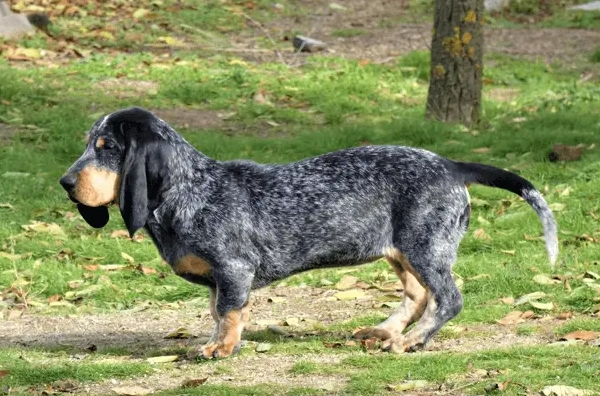
Temperament: Which Breed Fits Your Lifestyle?
Health and Care: What to Expect as an Owner
Making the Choice: A Practical Guide
Your Questions Answered
Is the Basset Bleu de Gascogne more aggressive than the Basset Hound?
Not aggressive, but more driven. Their hunting background makes them focused and sometimes single-minded. I've seen Basset Bleus get fixated on scents, which can be mistaken for aggression. With proper socialization, both breeds are friendly, but Basset Bleus may be aloof with strangers compared to the gregarious Basset Hound.
Which breed is easier to groom for a busy owner?
Basset Bleu de Gascogne wins here. Their coat is low-maintenance—just a quick brush weekly. Basset Hounds require regular ear cleaning, wrinkle care, and more frequent brushing to manage shedding. If you're time-poor, the Basset Bleu is less demanding, but don't skip those vet checks for ears.
Can a Basset Hound live happily in a hot climate?
They struggle in heat due to their heavy build and short legs. I've known owners in Texas who provide air conditioning and limit outdoor time in summer. Basset Bleus handle heat slightly better because of their leaner physique, but both breeds need shade and water. Avoid midday walks in warm regions.
Are Basset Bleus good with other dogs?
Yes, generally. They're pack animals from hunting lines. Introduce them slowly, especially to smaller pets, due to their prey drive. Basset Hounds are more laid-back with other dogs, but both breeds do best with early socialization. From my experience, Basset Bleus might try to dominate play, so supervision helps.
Comment