So you're thinking about bringing home a Beagle mix. Maybe you saw an adorable photo online, or a friend has one that's just the perfect blend of silly and sweet. I've been around dogs, specifically scent hounds and their mixes, for over a decade, and I can tell you this: a Beagle crossbreed isn't just a "cute dog." It's a specific set of instincts wrapped in fur, and understanding that is the difference between a dream companion and a frustrating handful. Let's cut to the chase. A Beagle mix inherits the core DNA of one of the world's most successful hunting dogs. That means a nose that operates on a level we can't comprehend, a stubborn streak born from centuries of independent work, and a vocal personality. Mix that with another breed, and you get a unique dog—but one where the Beagle traits often shine through loud and clear. You'll see a lot of names thrown around. Some are designer labels, most are just happy accidents from shelters. Here’s a breakdown of the ones you're most likely to encounter, based on years of volunteering and talking to owners. The biggest mistake I see? People get hung up on the mix name and assume it dictates personality. It doesn't. A "Puggle" might act 90% like a Beagle. You must assess the individual dog. Look at the shelter's notes on behavior, not just the label. Forget what you've read about them being "friendly family dogs." That's true, but it's the easy part. The defining trait is their olfactory obsession. When that nose hits a scent, their brain disconnects from you. Recall? Gone. Leash manners? Vanished. This isn't disobedience in the moment; it's a genetic override. I remember a Beagle-Corgi mix I worked with. He'd be trotting along nicely, then freeze. His head would dip, and for the next 20 minutes, he'd trace a rabbit trail in concentric circles, deaf to his owner's increasingly desperate calls. The owner thought he was being stubborn. He was just being a hound. This leads to the other pillars of their personality: My Non-Consensus Take: People call Beagle mixes "escape artists." I think that's misleading. They're not actively trying to escape you; they're following a scent trail through any barrier. A slightly loose fence board isn't a weakness; it's a gateway to adventure. Security isn't about height; it's about airtight integrity. Traditional, command-based obedience often fails with these dogs. You need a different playbook. This isn't a party trick; it's a lifesaving skill. Train it with high-value trades every single day. The instant they pick up a chicken bone on a walk, you need a reflexive response. I start by making the trade incredibly rewarding—a piece of hot dog for that boring old sock. Gradually up the ante. Expecting a perfect heel is setting yourself up for failure. Instead, use a long-line leash (15-30 feet) in safe areas. Let them sniff! Structure the walk as: 5 minutes of loose-leash walking to leave the house, 20 minutes of "sniffari" on the long line where they lead, 5 minutes of walking back. You fulfill their mental need, and they're more likely to cooperate during the structured bits. You'll never eliminate it. The goal is management. Identify the trigger (mailman, squirrel outside). For my own Beagle mix, the sight of the mail truck was the cue. I started having treats rain from the sky the moment the truck appeared, before she could bark. She started associating the truck with chicken, not with the need to sound the alarm. It reduced the barking by 80%. Beagles are generally robust, but mixes can inherit issues from either side. Don't just rely on the assumed "hybrid vigor." Find a vet familiar with hounds. They'll understand the weight battle and won't dismiss your concerns about that obsessive sniffing as just "dog behavior." Please, look at shelters and rescues first. Beagle and hound mixes are tragically common in shelters, often surrendered because "he runs away" or "she barks too much"—problems rooted in unmet breed needs. When you meet a potential dog: Be brutally honest about your lifestyle. A Beagle-Pointer mix needs a runner or hiker owner. A Puggle might be a better match for a less active home, but you must commit to weight management. Owning a Beagle mix is a commitment to seeing the world through their nose. It's messy, loud, and sometimes infuriating when they ignore you for a smell you can't even detect. But when you learn to work with their instincts instead of against them, you get a loyal, funny, and endlessly fascinating companion who will remind you that there's a whole world of information written in scents, just waiting to be explored.What's Inside This Guide
The Most Common Beagle Mix Breeds (And What They're Really Like)
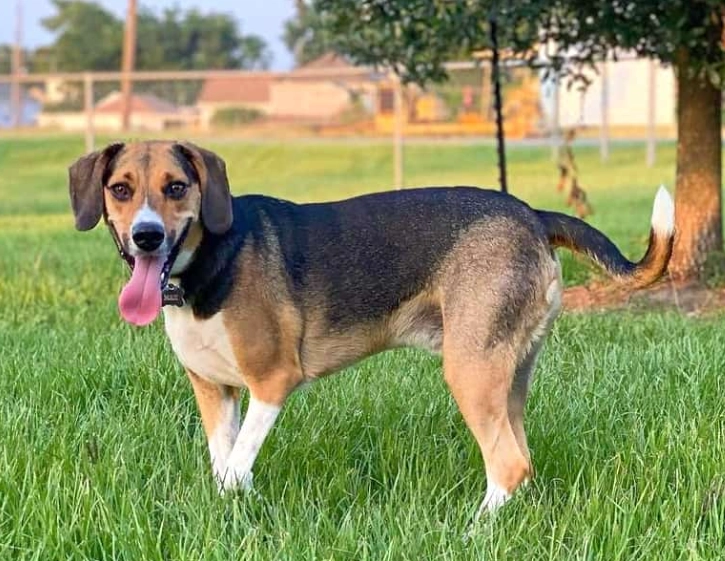
Mix Name
Common Traits Blend
Key Consideration
Beagle-Lab Mix ("Beagador")
Beagle's nose & stubbornness + Lab's energy & food motivation. Often medium to large, very strong.
Prone to obesity if not exercised. Their stamina is immense—a simple walk won't cut it.
Beagle-Pug Mix ("Puggle")
Beagle's curiosity + Pug's clownish charm. Snorting and snoring are likely.
Watch for brachycephalic (short-snout) issues from the Pug side. Overheating is a real risk.
Beagle-Dachshund Mix ("Doxle")
Double the hound, double the trouble. Incredibly keen nose on a low-to-the-ground chassis.
High risk for back problems (IVDD). Must prevent jumping on/off furniture.
Beagle-Pointer Mix
A hunting powerhouse combo. Lean, athletic, with energy to burn and a prey drive that's off the charts.
Not for novice owners or homes with cats/small pets. Needs a job or intense sport.
Beagle-Terrier Mix
Beagle's scent drive + Terrier's tenacity and digging instinct. Often feisty and clever.
Can be dog-selective. That terrier brain makes them problem-solvers, often of the destructive kind if bored.
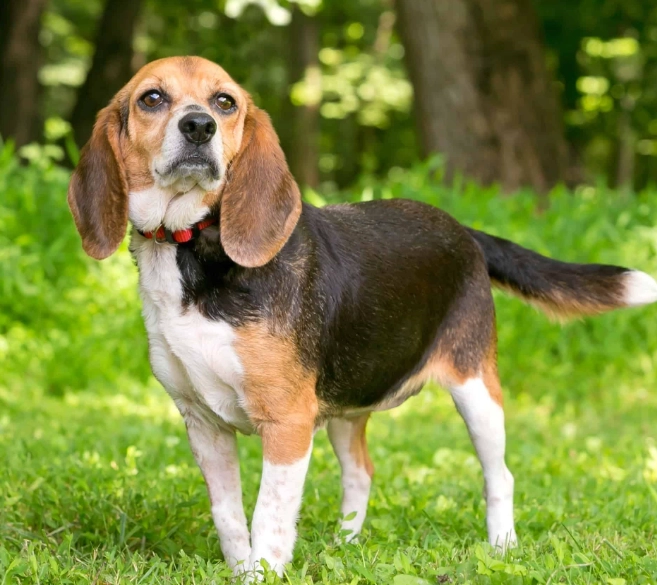
The Real Beagle Mix Personality: It's All About the Nose

Training a Beagle Mix: You're Not the Boss, You're the Negotiator
Master the "Leave It" and "Drop It"
Leash Walking is a Fantasy, Managed Exploration is Reality
Contain the Barking (Somewhat)
Health and Care: More Than Just Vaccinations

Finding and Choosing Your Beagle Mix
Can a Beagle mix ever be reliable off-leash?
In a fully fenced area, absolutely. In an open field or park? Almost never, and it's a major risk to their safety. That genetic scent-drive override is too powerful. Even the best-trained Beagle mix will choose a compelling rabbit trail over your recall command. I've seen it happen with dogs who had perfect recall for years. Use a 50-foot long line for safe freedom.
My Beagle mix is destroying the house when alone. Is this separation anxiety?
It might be, but often it's boredom-driven scavenging. They smell old food crumbs in the couch, the cat's treat stash, the glue in a book binding. Before diagnosing anxiety, do a "sniff-proof" test. Crate them or confine them to an absolutely bare, dog-proofed room (no furniture, trash cans, or carpets) with only a tough chew toy. If the destruction stops, it was likely boredom/scavenging, treated with better mental stimulation before you leave and proper confinement.
Are Beagle mixes good with cats?
It's a huge gamble. Their high prey drive is directed at small, fast-moving animals. A dog-savvy, adult cat that stands its ground might be tolerated. A running kitten will almost certainly trigger the chase instinct. If you have cats, look for a Beagle mix that has a documented history of living peacefully with them in a foster home. Never trust an assumption based on breed.
What's the best way to mentally tire out my Beagle mix?
Follow their nose. Snuffle mats and food puzzles are good starters. But the real winner is "scent work." Hide treats or a favorite toy in increasingly difficult spots around the house or yard and give them the "find it!" command. Even 15 minutes of this is more exhausting for them than an hour-long walk. It channels their natural obsession into a constructive job.
Comment