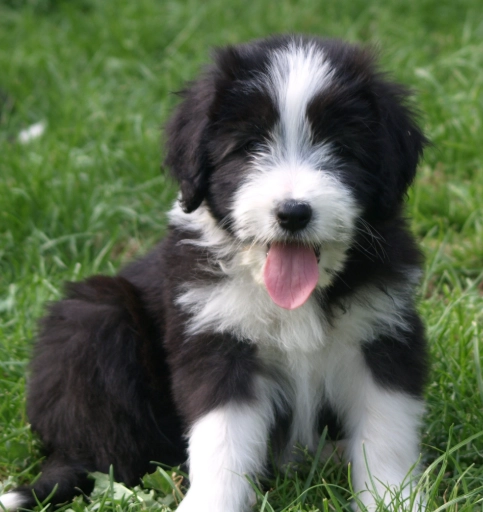
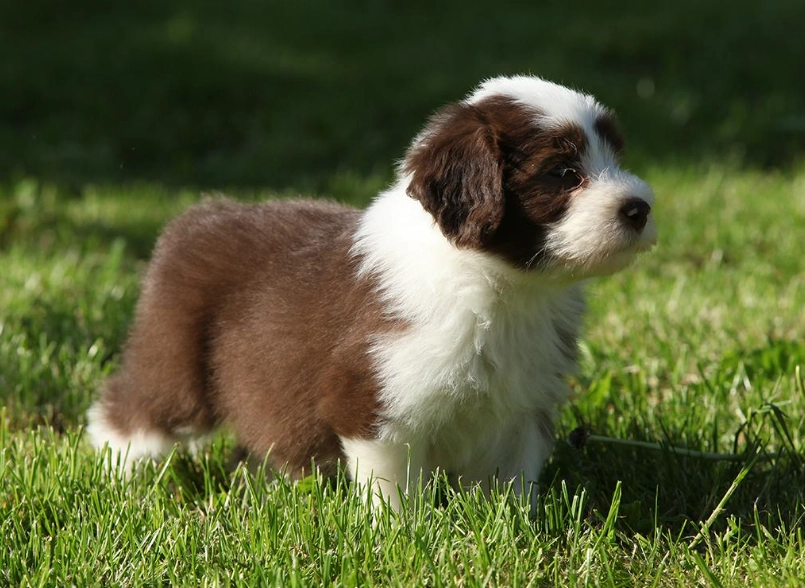
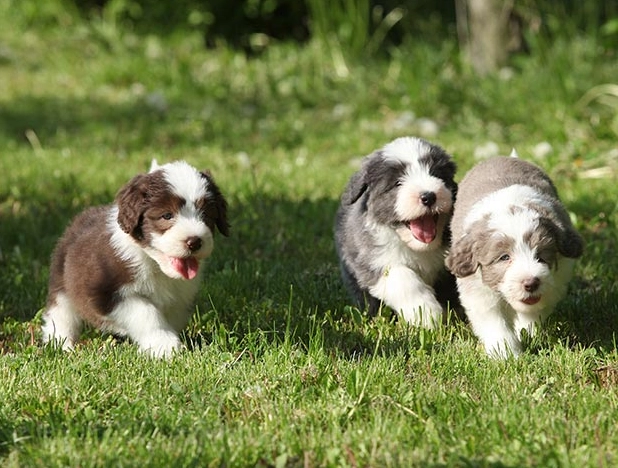
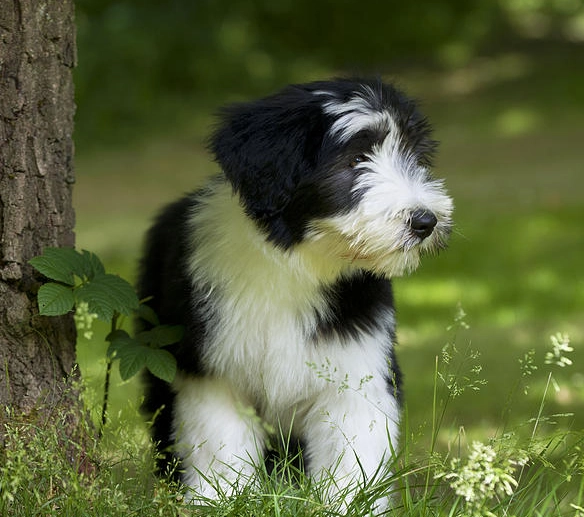
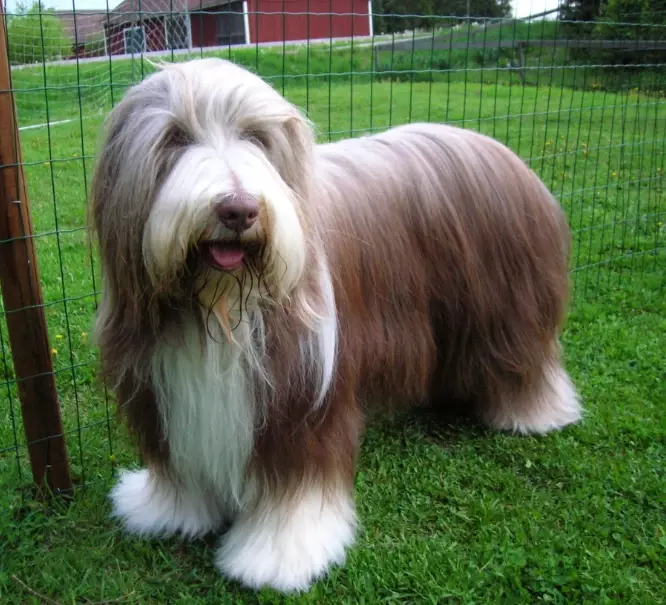
So you've fallen for the shaggy charm of a Bearded Collie puppy. That expressive face, that mop of hair, the promise of a loyal, energetic friend. I get it. I brought home my first Beardie pup, Finn, over a decade ago, thinking I was prepared. I'd read all the books. I wasn't. There's a gap between reading about "high energy" and living with a puppy who thinks your sofa is a springboard. This guide is what I wish I'd had. We're going beyond the fluffy exterior. We'll talk real numbers, daily realities, and the subtle mistakes new owners make with this specific herding breed. By the end, you'll know exactly what it takes to raise a happy, healthy Bearded Collie from puppyhood. Forget just picking the one that runs to you first. That's emotion talking. You need a strategy. The single biggest factor in your puppy's future health and temperament is the breeder. A responsible breeder's goal isn't to sell you a puppy. It's to better the breed. They will interview you as thoroughly as you should interview them. Here’s what to demand: Health Testing is Non-Negotiable. Don't just ask if the parents are "healthy." Ask for the Orthopedic Foundation for Animals (OFA) certification numbers for hip dysplasia (a major concern in larger breeds) and the Canine Eye Registry Foundation (CERF) certifications for eyes. A good breeder will have these publicly searchable in the OFA database. Elbow evaluations and autoimmune thyroiditis screenings are also big pluses. I once visited a breeder who proudly showed me the parents but brushed off health testing. "They look fine!" That's a massive red flag. Reputable breeders prove health, they don't assume it. Temperament Matters as Much as Looks. Bearded Collies should be bouncy, confident, and friendly—not shy or aggressive. Meet at least the mother dog (the sire might live elsewhere). Is she approachable? Well-adjusted? A nervous dam often produces nervous pups. The breeder should be actively socializing the litter with household sounds, different surfaces, and gentle handling. Ask About Their "Puppy Culture" or Similar Protocol. Top breeders follow early neurological stimulation and socialization programs. This isn't just playing; it's structured exposure that builds resilience. It makes a tangible difference in how the puppy adapts to your home. Red Flag Checklist: The breeder has multiple litters available at once. They only communicate via text/email and refuse a video call or visit. They pressure you for a deposit before you've asked questions. They don't ask you a single question about your home, lifestyle, or experience. They offer "rare" colors at a premium (standard Beardie colors are black, blue, brown, or fawn, all with or without white markings). Let's talk money, because sticker shock is real. The initial purchase price is just the entry fee. See that total? You're looking at a $4,000 to $8,000+ first year for a well-cared-for Beardie pup. The ongoing annual cost after year one settles around $1,500-$3,000, heavily dependent on grooming and healthcare. Why is the puppy price so variable? A breeder who does full OFA health screenings on both parents, shows their dogs to prove they meet the breed standard, and raises pups in their home with intensive socialization is investing thousands before the first puppy is even born. You're paying for that lifetime of work and genetic security. Beardie puppies are curious and agile. They will find trouble. Think Vertical. They can and will jump. Move items off low tables and shelves. That remote control? A chew toy. That houseplant? A salad. Cord Chaos. Bundle up and secure electrical cords. Bitter apple spray can be a deterrent. The Garbage Can. Get a locking lid. Seriously. Create a "Puppy Zone." Use an exercise pen attached to a crate. This is their safe space when you can't have eyes directly on them. It prevents accidents (both potty and destructive) and teaches them to settle. My biggest mistake was underestimating their reach. Finn, at 14 weeks, cleared a 24-inch baby gate like it was a curb. We had to upgrade to something much taller. Here's a non-consensus point: that beautiful shaggy coat is often mislabeled as "low maintenance" because it doesn't shed much. This is dangerously misleading. It's high-prevention maintenance. If you don't brush it thoroughly and regularly, it will mat. And mats hurt. The Daily/Every-Other-Day Ritual: Start this day one. Make it positive with treats. A puppy who learns to love grooming is a gift to your future self. These are herding dogs. Their energy is persistent and intelligent. A bored Beardie is a destructive Beardie. Puppies need controlled exercise to protect growing joints. Think short, frequent play sessions. Mental exercise is just as crucial. A 15-minute training session or a food puzzle toy will tire them out more than a 30-minute walk. Starting with a well-bred puppy is your best defense. But you should know what to watch for. Hip Dysplasia: This is the big one. It's a malformation of the hip joint. That's why the OFA screening of the parents is critical. Keep your puppy at a lean weight and avoid forced running on hard surfaces or jumping down from heights while they're growing. Autoimmune Issues: Bearded Collies can be prone to autoimmune conditions like hypothyroidism (treatable with medication) and, more seriously, conditions like autoimmune hemolytic anemia. Reputable breeders screen for thyroid antibodies. Eye Conditions: Progressive Retinal Atrophy (PRA) and cataracts can occur. Again, CERF screenings from the breeder are your safeguard. Your vet will discuss a vaccination and deworming schedule. Stick to it. Also, discuss when to spay/neuter. Some current research suggests waiting until a larger breed is physically mature (12-18 months) for long-term joint health benefits. Beardies are smart. Problem-solving smart. This means they learn what you want quickly, but they also learn how to get what they want. Socialization is NOT Just Meeting People/Dogs. It's about positive exposure to the world: different surfaces (metal grates, tile, gravel), sounds (vacuum, thunder recordings, kids playing), sights (umbrellas, bikes, hats). The American Kennel Club has great socialization checklists. Do this before 16 weeks. Use Their Brain. Train in 5-minute bursts. Teach "sit," "down," "come," and a solid "leave it." Use high-value treats (tiny bits of chicken, cheese). Beardies can be sensitive to harsh correction; positive reinforcement works best. The Recall Challenge. Herding breeds have a strong independent streak. Start recall training in a low-distraction environment and make coming to you the best thing ever (treat party!). Never call them to you for something negative (like a bath or to end playtime). Enroll in a puppy kindergarten class. The controlled environment and guidance are invaluable. Bringing home a Bearded Collie puppy is a commitment to a decade or more of activity, laughter, and yes, a lot of hair on your floors (despite the low-shedding claim, some hair is always there). It's a commitment to daily brushing, to training with patience, and to embracing a truly joyful, sometimes chaotic, presence in your home. Do your homework, find that exceptional breeder, and be ready. The bouncing, loyal, shaggy friend you get in return is worth every bit of the effort.What You'll Find in This Guide
How to Choose a Healthy Bearded Collie Puppy
The Real Cost of a Bearded Collie Puppy
Expense Category
Estimated Cost Range (First Year)
Notes
Puppy Purchase
$1,500 - $3,500+
Varies wildly by breeder reputation, location, and health testing done. Pet-quality from a show-line breeder is typically on the lower end.
Initial Supplies
$500 - $800
Crate, pen, high-quality food, bowls, grooming tools (slicker brush, greyhound comb, detangler), toys, bed, collar/leash, puppy gates.
Veterinary Care (First Year)
$800 - $1,500
Initial exams, 3-4 rounds of puppy shots, spay/neuter, microchipping, flea/tick/heartworm prevention.
Training & Socialization
$200 - $600
Puppy kindergarten classes are essential. Potential cost for intermediate obedience.
Grooming (Professional)
$600 - $1,200
If you opt for professional grooming every 6-8 weeks. Many owners learn to do it themselves.
Pet Insurance
$400 - $800 (annual)
Strongly recommended. Premiums are lower if started young before any conditions appear.
Puppy-Proofing Your Home for a Beardie
Daily Care and Grooming: It's More Than Brushing

Exercise Needs: More Than a Walk Around the Block
What Are the Key Bearded Collie Puppy Health Concerns?
Training Tips for Your Intelligent (and Stubborn) Pup
Your Bearded Collie Puppy Questions Answered
Are Bearded Collie puppies good for first-time dog owners?
They can be, but it's a steep learning curve. Their combination of high energy, intelligence, and substantial grooming needs is a lot to manage. A first-time owner who is highly committed to training, exercise, and grooming routines can succeed, but you must be honest about your available time and patience. A less demanding breed might be a gentler introduction to dog ownership.
My Bearded Collie puppy bites and nips constantly. Is this normal?
Completely normal, but you must manage it correctly. They are herding dogs; mouthing is in their DNA. When teeth touch skin, let out a high-pitched "ouch!" and immediately stop play, turning away for 30 seconds. This mimics how littermates communicate. Redirect the biting to a appropriate chew toy. Consistency from every family member is key. It passes, but it requires patience.
Can a Bearded Collie puppy live happily in an apartment?
Yes, but with major caveats. Apartments lack yards, so you become their sole source of exercise and potty breaks. You must commit to multiple daily outings (potty breaks plus dedicated exercise sessions) and provide intense mental stimulation indoors. Access to a nearby park or quiet walking areas is almost essential. It's more work than in a house with a yard, but doable for an active, dedicated owner.
How do I prevent my Beardie puppy's beard from getting gross and stained?
This is a constant battle. Use a stainless steel or ceramic bowl for water to reduce bacterial buildup. Wipe the beard with a damp cloth after meals and drinking. Some owners use a beard conditioner or detangler that can help repel moisture. For severe staining from minerals in water, talk to your vet about safe whitening shampoos. Trimming the beard shorter is a practical, if less shaggy, solution.
What's the biggest mistake people make with Bearded Collie puppies?
Underestimating the grooming and assuming it's optional. Letting the coat mat is painful for the dog, leads to skin infections, and eventually requires a full shave-down by a groomer, which is traumatic and ruins the coat texture. The second biggest mistake is not providing enough mental exercise. A physically tired but mentally bored Beardie will invent their own fun, which usually involves destroying something you love.
Comment