Let's cut to the chase. If you're thinking about getting a Bearded Collie, you need to know one thing upfront: this isn't a couch potato dog. Their temperament is a wild mix of brain, energy, and affection that can make or break your experience. I've had my Bearded Collie, Finn, for over a decade, and I've seen everything from joyful chaos to frustrating stubbornness. In this guide, I'll break down what the Bearded Collie temperament really means for you—no sugarcoating, just real insights. Bearded Collies are often called "big dogs in small packages," but that's an understatement. Their personality is shaped by centuries of herding work, which means they're smart, active, and sometimes too clever for their own good. Here's the breakdown. These dogs love people. Finn follows me around the house like a shadow, always ready for a cuddle or a game. They're incredibly loyal and form strong bonds with their families. Intelligence? Off the charts. Bearded Collies can learn commands in minutes, but that's where the trouble starts—they get bored easily if you don't keep things interesting. I remember teaching Finn to fetch. He mastered it in two days, but by day three, he'd started hiding the ball to make me look for it. That's typical Bearded Collie behavior: they need mental stimulation as much as physical exercise. This is the big one. Bearded Collies have energy levels that can overwhelm unprepared owners. We're talking at least 60-90 minutes of vigorous activity daily. A walk around the block won't cut it. They need running, hiking, or agility training to burn off steam. Their herding instinct is strong. Finn still tries to herd my kids when they run in the yard, nipping at their heels. It's not aggression—it's ingrained behavior. But if not managed, it can lead to problems like chasing cars or bikes. You have to channel that instinct into positive activities. Pro tip from experience: Many owners underestimate the herding drive. I've seen Beardies develop anxiety if they don't have a "job" to do, even if it's just puzzle toys or obedience drills. It's a subtle mistake that can lead to destructive chewing or barking. Training a Bearded Collie isn't about obedience; it's about partnership. They're independent thinkers, so old-school methods like harsh corrections backfire. Here's what works. First, don't repeat commands. If you say "sit" five times, they'll learn to ignore the first four. Be consistent and patient. Second, avoid long training sessions. Their attention span is short, so keep it to 10-15 minutes max. Third, socialization is non-negotiable. Expose them to different people, dogs, and environments early on to prevent shyness or reactivity. I made the mistake of skipping socialization with Finn during his puppy phase, and he became wary of strangers. It took months to correct. Learn from my error—start young and make it fun. Use treats, praise, and play as rewards. Bearded Collies respond well to clicker training because it marks the exact behavior you want. For herding instincts, redirect them to appropriate tasks. Teach commands like "leave it" or "come" with high-value rewards to manage chasing. One technique that saved me: incorporate training into daily exercise. During hikes, I'd practice recalls or stays, using the environment as a distraction. It turned training into a game, which Beardies love. This breed isn't for everyone. Let's evaluate based on real scenarios, not idealistic breed descriptions. Bearded Collies thrive in homes with active lifestyles. If you're a runner, hiker, or enjoy outdoor adventures, they'll fit right in. They need space to move, so a house with a yard is ideal, but apartments can work if you commit to daily park visits. Noise-wise, they can be vocal—Finn barks at squirrels, mailmen, and sometimes just for fun. If you have close neighbors, that's a consideration. They're adaptable to climate, but their long coat requires grooming in hot weather. I live in a temperate area, and Finn does fine, but in summer, I keep him indoors during peak heat. Generally good with kids, but supervision is key. Their herding instinct might lead to nipping, so teach children how to interact calmly. With other pets, early introduction helps. Finn grew up with a cat, and they get along, but he'll still try to herd her occasionally. For small animals like rabbits, caution is advised—their prey drive can kick in. I've seen families where Beardies become the center of activity, but if your kids are very young or you have a sedentary lifestyle, this breed might add stress rather than joy. Caring for a Bearded Collie goes beyond food and water. Their temperament demands specific routines to keep them balanced. Break it down into physical and mental exercise. Physical: aim for 60+ minutes of vigorous activity. This could be running, fetch, or dog sports like agility. Mental: use puzzle feeders, training sessions, or hide-and-seek games. A bored Bearded Collie is a recipe for trouble—think dug-up gardens or chewed furniture. My routine with Finn includes a morning run, afternoon play session, and evening training drill. It sounds like a lot, but it keeps him content. If you skip a day, expect restlessness. Their shaggy coat is iconic but high-maintenance. Brush at least twice a week to prevent mats. During shedding seasons, daily brushing might be necessary. Bathing every 4-6 weeks keeps them clean, but over-bathing can strip natural oils. Don't forget ear cleaning and nail trimming—their active lifestyle means nails wear down, but check regularly. I learned the hard way: neglecting grooming led to painful mats near Finn's ears. Now, I set a weekly reminder. It's a time commitment, but it's part of the deal with this breed.Quick Guide to Navigating Bearded Collie Temperament
Key Traits of Bearded Collie Temperament

The Good Stuff: Affection and Intelligence
The Challenge: High Energy and Herding Instinct

How to Train a Bearded Collie: Beyond the Basics
Common Training Mistakes to Avoid
Positive Reinforcement Techniques That Work

Is a Bearded Collie Right for Your Family?
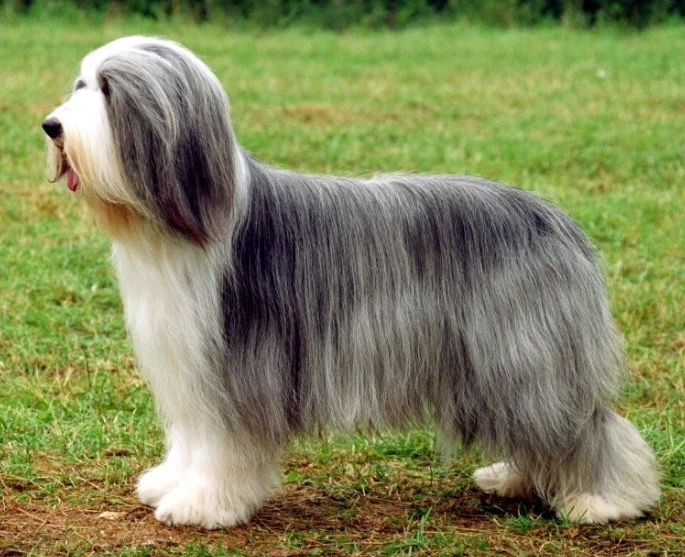
Ideal Home Environment
Compatibility with Children and Other Pets
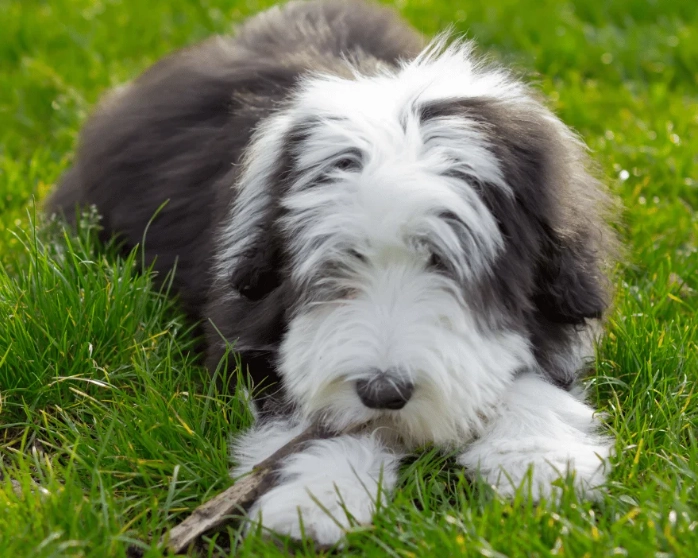
Daily Care for a Happy Bearded Collie
Exercise Requirements: More Than Just a Walk
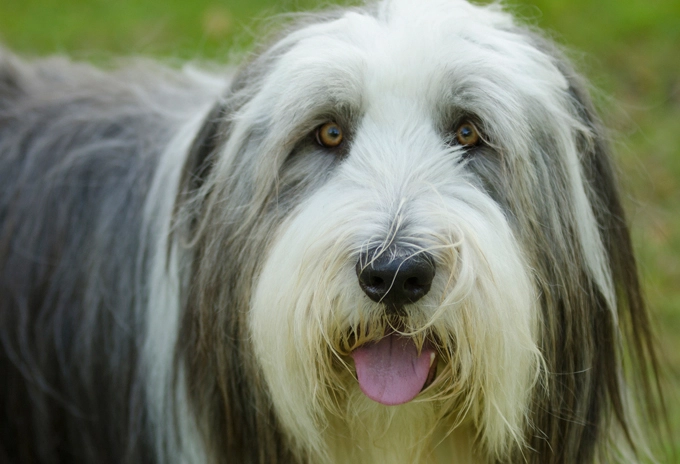
Grooming Needs: Managing That Beautiful Coat
Your Bearded Collie Temperament Questions Answered
My Bearded Collie barks excessively when left alone. What can I do?
Separation anxiety is common in Beardies due to their social nature. Start by desensitizing departures: leave for short periods and gradually increase time. Provide interactive toys, like Kongs stuffed with treats, to keep them occupied. Avoid making a big deal when you leave or return. If it persists, consult a professional trainer—sometimes medication or behavior modification plans are needed. From my experience, consistency is key; Finn improved after I established a predictable routine.
Are Bearded Collies aggressive towards other dogs?
Not typically aggressive, but their herding background can lead to bossy or pushy behavior. Proper socialization from puppyhood is crucial. Introduce them to various dogs in controlled settings. If they show signs like stiff posture or excessive staring, redirect their attention. I've seen Beardies get into scuffles when they try to herd unfamiliar dogs, so supervision during playdates is a must.
How do I curb my Bearded Collie's chewing habit?
Chewing often stems from boredom or teething in puppies. Ensure they have plenty of appropriate chew toys. Rotate toys to keep them interesting. Increase exercise and mental stimulation—a tired dog is less likely to chew. For persistent chewers, use bitter apple spray on forbidden items. Finn went through a phase of chewing shoes; I solved it by keeping them out of reach and giving him durable rubber toys instead.
Can Bearded Collies live in apartments?
Yes, but with caveats. You must commit to rigorous daily exercise outside the apartment. Without a yard, you'll need to visit parks or open spaces frequently. Be mindful of noise—their barking might disturb neighbors. I know an owner in a city apartment who makes it work with two long walks and weekend hikes, but it requires dedication.
What's the biggest misconception about Bearded Collie temperament?
That they're just fluffy, gentle dogs. In reality, they're working breeds with high drives. Many people get them for their looks without realizing the energy and training demands. This leads to surrendered dogs. Understand that their intelligence means they need challenges, not just cuddles. It's a commitment that pays off with the right approach.
Comment