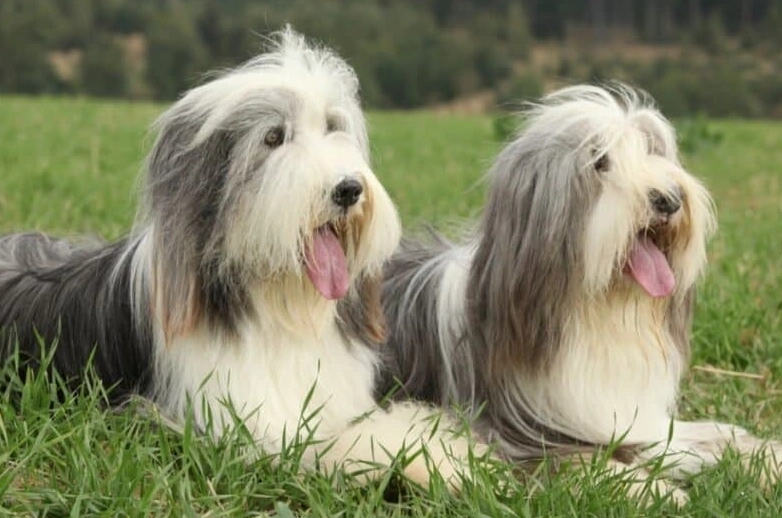
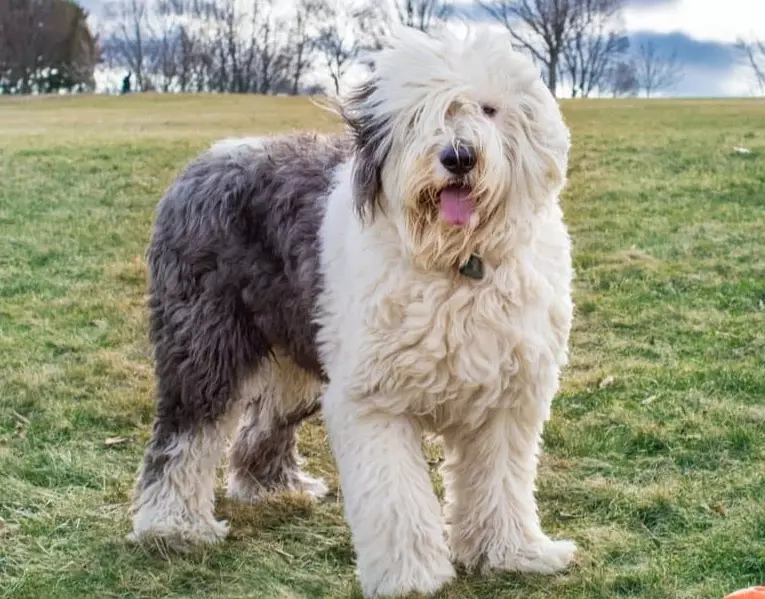
You see a big, fluffy dog with hair covering its eyes, and you think, "Is that a Bearded Collie or an Old English Sheepdog?" It's a classic mix-up. From a distance, they're both shaggy herding breeds that could be cousins. Get closer, live with one, and you'll realize they're worlds apart. I've spent years around both breeds, and the differences go way beyond just size or a docked tail. Choosing between them isn't just about picking a cute face; it's about matching a lifestyle to a very specific canine personality and a serious grooming commitment. Let's clear up the confusion for good. Before you even talk to an owner, you can spot the key differences. It's not rocket science, but people often miss the obvious cues because they're so dazzled by all the hair. Quick Tip: Look at the back end first. No tail? You're almost certainly looking at an Old English Sheepdog (OES). A long, feathered tail that curves up when excited? That's the hallmark of a Bearded Collie. Here’s a breakdown of the physical giveaways. This table sums up what your eyes should be searching for. One nuance most lists miss: the movement. A Beardie moves with a springy, light-footed grace, almost like they're bouncing on springs. An Old English Sheepdog has a characteristic "bear-like" roll when they walk. It's a purposeful, lumbering gait. If you see a shaggy dog that seems to amble rather than bounce, think OES. This is where the choice becomes personal. Their temperaments are as different as their silhouettes. Imagine a clown wrapped in a sheepskin rug. That's a Beardie. They retain a joyful, sometimes goofy, puppy-like exuberance well into old age. I've known 10-year-old Beardies that still initiate play bows with the energy of a two-year-old. Key traits: The OES is the calm, steady guardian. They were bred to drive cattle and sheep to market, a job requiring stoic patience and confidence, not frantic circling. Key traits: Here's my non-consensus take: people often underestimate the Beardie's intensity and overestimate the OES's activity needs. Getting this wrong leads to frustrated owners and unhappy dogs. Let's be brutally honest. You don't get a dog that looks like a walking rug without serious work. Both breeds fail the "low-shedding" myth. They shed less than a Labrador, but the hair gets trapped in the coat, leading to mats. The difference is in the texture and consequence. Bearded Collie Grooming: The coat is more forgiving. That harsh outer coat tends to repel dirt and, if kept brushed, mats less quickly than the OES coat. You can often go a week between thorough brush-outs if the dog isn't rolling in fields. Many owners opt for a practical "puppy cut" that keeps the hair at a manageable 2-3 inches. It's still a commitment—hour-long weekly sessions are standard. Old English Sheepdog Grooming: This is next-level. That profuse, uniformly thick coat is a magnet for mats. It forms close to the skin, and once a mat starts, it spreads fast. Neglect for even a few days can lead to painful, skin-pulling tangles that often require shaving. Professional grooming every 4-6 weeks is the norm, plus meticulous brushing at home every other day. The hair over the eyes also requires regular trimming for the dog to see properly. The cost implication is real. Grooming an OES can easily cost twice as much as grooming a Beardie, simply due to the time, volume of hair, and skill required. Beyond the fluff, you're committing to a living being with specific needs and potential health issues. Both are generally healthy, but responsible breeders screen for: Always ask breeders for OFA or PennHIP certifications for hips and eye exam results from a veterinary ophthalmologist. Choose a Bearded Collie if: You have an active, often outdoorsy lifestyle. You want a dog to join you on runs, hikes, or sports. You have a good sense of humor and patience for training a clever, sometimes stubborn mind. You're ready for a vocal, ever-present shadow full of joy. Families with older, sturdy kids are a great match. Choose an Old English Sheepdog if: You want a calmer, more laid-back companion at home. You can provide moderate exercise but value couch cuddle time. You have the budget and time for rigorous, professional-grade grooming. You appreciate a more reserved, deeply loyal guardian spirit. They can be wonderful with children, their gentle nature making them patient companions. I've seen too many active families get an OES expecting a jogging buddy and end up with a dog that plops down after two blocks. And I've seen couch potatoes get a Beardie and drown in the dog's unmet energy needs. I live in a hot climate. Is one breed better suited than the other? Both breeds struggle with heat due to their double coats. However, the Bearded Collie's slightly less dense coat and leaner build might give it a slight edge. With either breed, air conditioning is non-negotiable, outdoor time must be limited to early mornings and late evenings, and keeping the coat well-maintained (not shaved, which can ruin its insulation properties) is crucial. A "summer trim" to a shorter length is a common and sensible practice for both. Which dog is easier to train for a first-time owner? This is tricky. The Old English Sheepdog's aim to please can make initial training seem easier. They're less likely to actively challenge you. However, their size and strength as adults mean any stubbornness is harder to manage. The Bearded Collie's intelligence and independence require more finesse; you need to be interesting and consistent. For a dedicated, patient first-timer willing to take puppy classes, either can work. But if you're easily frustrated, the Beardie's antics might test you more. Are they good with other pets like cats or small dogs? With proper socialization, both can coexist with other pets. Remember their herding heritage. A Bearded Collie is more likely to try to herd your cat or small dog with nips and circling, which can be stressful for the other animal. An Old English Sheepdog, with its livestock-driving background, might be more inclined to use its body to block or guide. Early, positive introductions and supervision are key. Never leave them unsupervised until you're 100% confident in their interactions. What's the biggest misconception people have about these breeds? That they are low-energy or low-maintenance because they look like cute, cuddly stuffed animals. The "cute factor" leads to impulsive adoptions. The reality of the grooming schedule and exercise needs hits hard a few months in. I've met too many owners who thought brushing once a month was enough, only to face a matted, shaved-down dog and a huge grooming bill. Do your homework on the real-time commitment before you fall for the face. Is the Old English Sheepdog's tail always docked? Historically, yes, to identify them as working dogs (for tax purposes in old England) and prevent tail injuries. Today, docking practices vary by country and breeder ethics. In many places, it's restricted or banned unless for medical reasons. You may find OES puppies with natural tails. It's important to discuss this with your breeder. A natural-tailed OES will have a long, feathered tail, which adds another element to the grooming routine. So, which shaggy soul is for you? If you crave a lively, athletic partner-in-crime with a sense of humor, the Bearded Collie calls. If you desire a calm, steadfast guardian with a heart of gold and the patience for epic grooming sessions, the Old English Sheepdog awaits. Look past the hair, into their eyes and their history, and you'll find the perfect match for your home.Your Quick Guide to This Article
The 5-Second Glance Test: How to Tell a Bearded Collie from an Old English Sheepdog
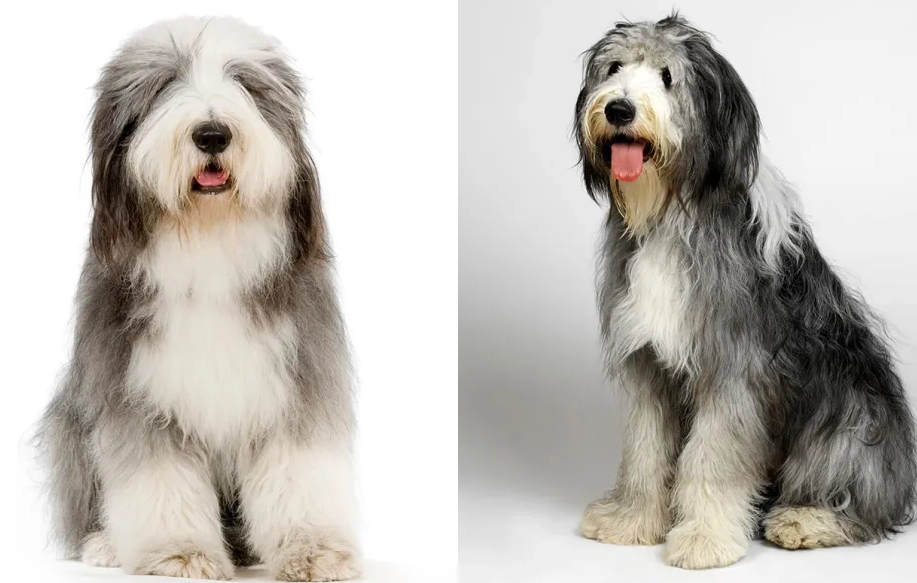
Feature
Bearded Collie
Old English Sheepdog
Size & Build
Medium. Leaner, more athletic, and leggy. Built for agility and endurance.
Large to giant. Substantial, square, and cobby. Built for strength and steady movement.
Coat Color
Black, blue, brown, or fawn – always with white markings. Often looks "faded" or grizzled as an adult.
Any shade of grey, grizzle, blue, or blue merle. White markings are common. Puppies are born black and white.
Coat Texture
Harsh, flat outer coat with a soft, furry undercoat. Feels more rugged.
Profuse, shaggy, and harsh to the touch all over. No defined silky topcoat.
The Tail
The big one. Long, carried low, with a distinctive upward swirl at the tip when alert. Fully feathered.
Historically docked ("bobtail"), so most have a very short, stubby tail or are born without one.
Head & Expression
Softer expression. The hair falls to the sides of the eyes, which are visible. A distinct "beard" gives the name.
More bear-like head. Hair often completely covers the eyes, creating that classic mysterious look.
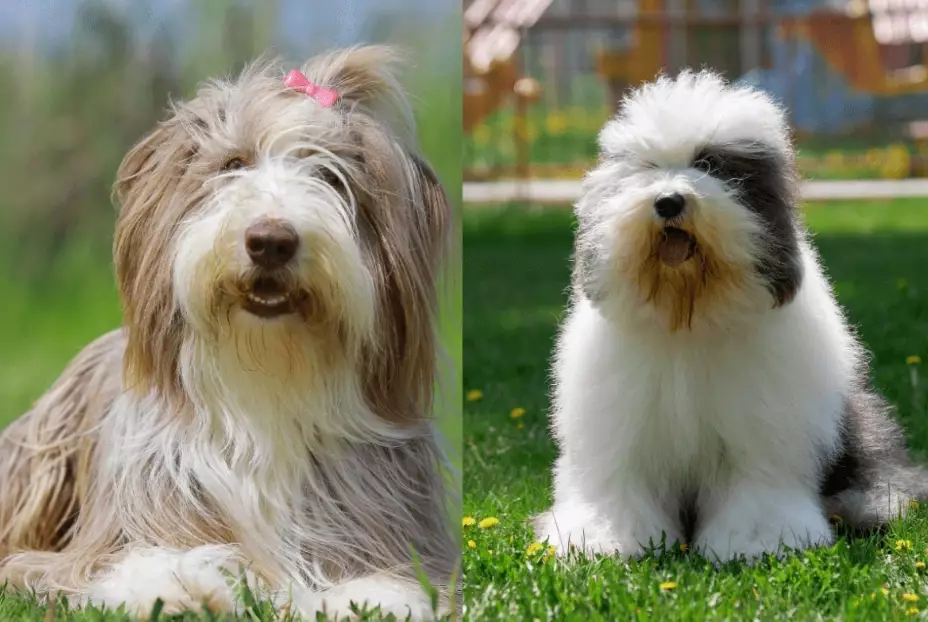
The Personality Clash: Bouncy vs. Buddha
The Bearded Collie: The Perpetual Puppy
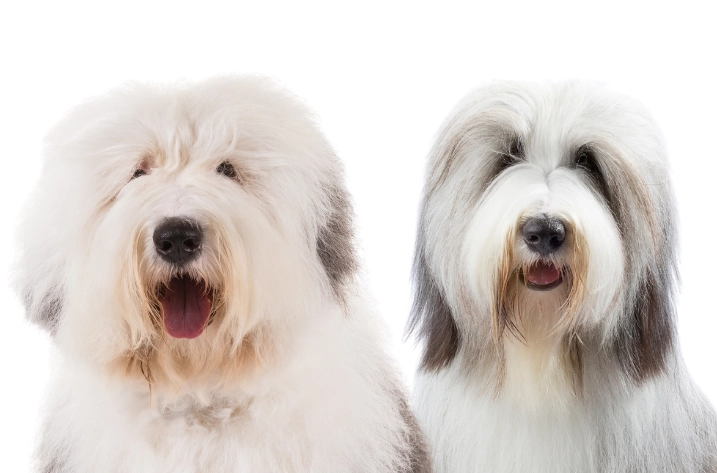
The Old English Sheepdog: The Gentle Giant
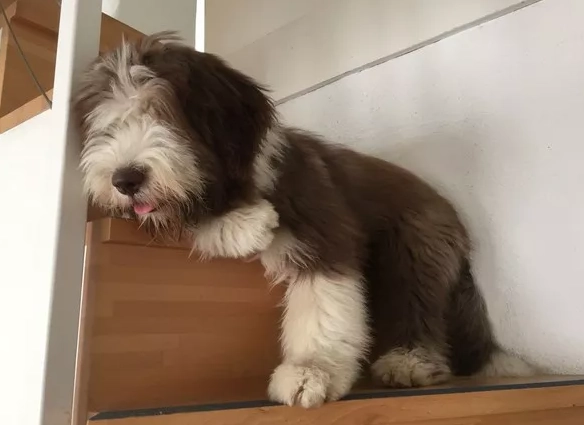
The Grooming Reality: High Maintenance vs. Ultra-High Maintenance
Health, Cost, and Which Family is Right for Each Breed
Common Health Considerations
The Family Fit: Who Should Choose Which?
Expert Q&A: Your Burning Questions Answered
Bearded Collie vs. Old English Sheepdog: Key Differences Explained
Comment