You look at a Bedlington Terrier and the first thing that strikes you is its unique look—that lamb-like silhouette, the pear-shaped head. But look closer. The coat color is where things get really interesting. It's not just "gray" or "brown." Bedlington Terrier colors are a spectrum, governed by a fascinating bit of genetics, and they change dramatically from puppyhood to adulthood. If you're trying to figure out what color your Bedlington is, or what color puppy to get, you've probably found that most articles just scratch the surface. Let's dig deeper.
What's Inside This Guide
The Unique Bedlington Look: It's All About the Coat
Forget everything you know about typical dog coats. A Bedlington's coat is a weird and wonderful mix. It's not soft like a Maltese's, nor wiry like most terriers. It's a crisp, linty combination of hard and soft hair that stands off the body. This texture is crucial because it interacts with light in a specific way, creating that characteristic sheen and depth of color. The breed standard from the American Kennel Club (AKC) describes it as a mix of hard and soft hair, distinctively different. This texture is a non-negotiable part of the breed's identity, arguably as important as the color itself.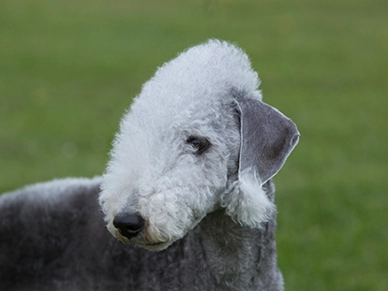
I've seen people get a Bedlington puppy and panic when its coat starts to change texture and color around 4-6 months. They think something's wrong. It's not. That's just the Bedlington doing its thing.
The Three Standard Bedlington Terrier Colors
According to the AKC standard, acceptable colors are blue, liver, and sandy. That's it. But within those names lies a world of variation. Here’s the breakdown that goes beyond the basic labels.
| Color Name | Adult Appearance | Puppy Coat & Key Markings | Nose & Eye Color |
|---|---|---|---|
| Blue | Dark blueish-gray to lighter silver-gray. The topcoat has a distinct bluish cast, often with a silvery sheen. The undercoat is fawn (a light tan). | Born nearly black or very dark gray. Lightens progressively. May have small white marks on chest/toes. | Nose: Black. Eyes: Dark, preferably with a slight amber glow in adults. |
| Liver | Rich, reddish-brown to a lighter, sandy brown. The hue should be consistent, not washed out. | Born dark brown. Lightens to its true liver shade. White chest/toe marks common. | Nose: Brown. Eyes: Light hazel to amber brown. |
| Sandy | Light tan, fawn, or wheaten color. Should not be pale cream or yellowish. | Born a darker sandy or reddish tan. Lightens slightly. Often has white markings. | Nose: Brown. Eyes: Light hazel to amber. |
Notice the nose and eye color correlation? That's your first clue into the genetics. A blue dog will always have a black nose and dark eyes. Liver and sandy dogs have brown pigmentation. This isn't a suggestion; it's a genetic package deal.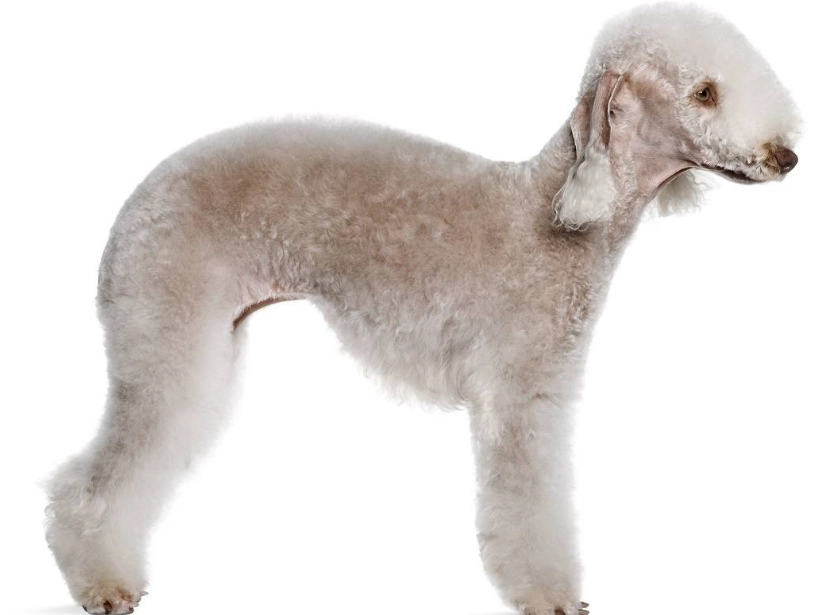
A Common Misconception: People often call lighter blue Bedlingtons "silver." While descriptive, "silver" is not a separate, official color category in the breed standard. It's simply a shade of blue. Calling a dog "silver" in the show ring is technically incorrect.
Understanding Bedlington Terrier Color Genetics
This is where it gets cool. Bedlington Terrier colors are a masterclass in simple canine genetics. You don't need a PhD, just an understanding of two main genes.
First, the base color gene (B locus). This determines if the dog produces black pigment (B) or brown/liver pigment (b). A dog with at least one B allele is genetically black-pigmented. A dog must have two copies of the recessive b allele (bb) to be liver-pigmented.
Second, and most famously for Bedlingtons, the dilution gene (D locus). This gene "dilutes" or lightens the base color. The dominant D allele allows full color. The recessive d allele dilutes it.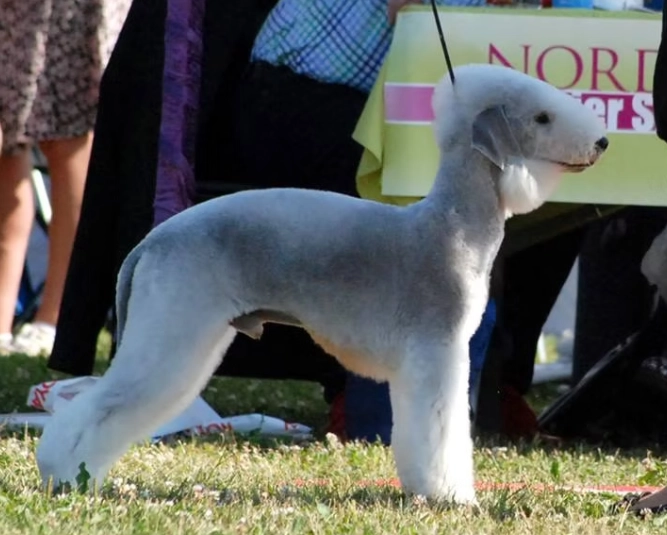
The Dilution Gene: The Magic Behind the Hue
This single gene is responsible for the Bedlington's signature look. Here’s how it works in combination with the base color:
- Blue Bedlington: Genetically B- dd. This means it has black pigment (B) but is diluted (dd). Black pigment diluted becomes blue-gray.
- Liver Bedlington: Genetically bb dd. This means it has brown pigment (bb) and is diluted (dd). Brown pigment diluted becomes liver.
- Sandy Bedlington: Genetically bb D-. This is the kicker. A sandy is a liver-pigmented dog (bb) that is NOT diluted (it has a dominant D allele). The undiluted liver/brown pigment presents as sandy.
See the pattern? Sandy is the odd one out—it's the only one not carrying the double recessive dilution (dd). This genetic combo explains why you can get blues and livers in the same litter (if both parents carry the b allele), but you'll never get a sandy from two blue parents, as neither can contribute a dominant D allele.
I remember a breeder friend spending years trying to get a certain color combination, puzzled why it never worked. A basic Punnett square would have shown it was genetically impossible. Knowing this saves a lot of head-scratching.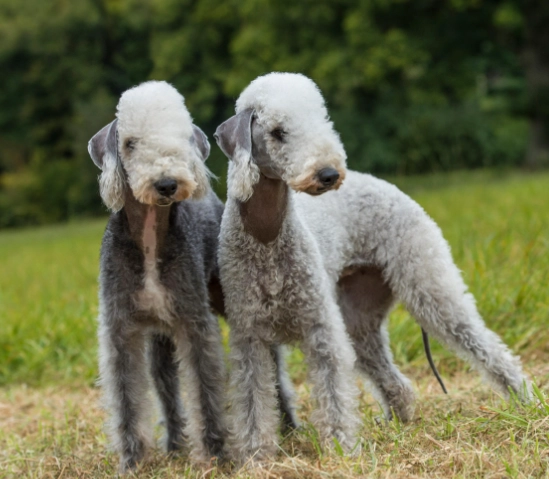
How to Groom a Bedlington Terrier to Enhance Its Color
Grooming a Bedlington isn't just about keeping it tidy; it's sculpting and showcasing its color. A bad haircut can make a vibrant blue look dull and muddy.
The biggest mistake I see? Shaving the coat too short with clippers. This exposes the lighter undercoat uniformly and kills the natural contrast and depth that gives the color its life. The goal is to scissor sculpt the coat to maintain a blend of the darker topcoat and lighter undercoat.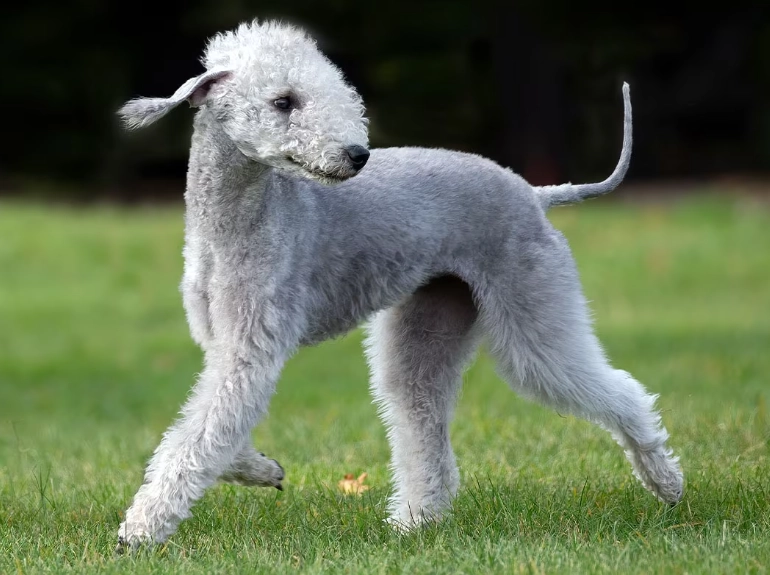
For color vibrancy:
- Blues: Use a blue-enhancing or silver dog shampoo. These contain optical brighteners or subtle blue tints to counteract any yellowish tinge from sun or water minerals. Avoid human shampoos with sulfates; they strip the coat and dull the color.
- Livers & Sandies: A gentle, color-enhancing shampoo for brown/red coats can warm up the tones. Chamomile-based products can add shine and richness.
- For All: A high-quality conditioner is non-negotiable. That crisp, linty texture needs moisture to reflect light properly. A dry coat looks flat and colorless.
Sun exposure is a major color-fader. If your Bedlington spends hours in the sun, consider a canine sunscreen spray for its coat or a light UV-protectant shirt. The color on its back will fade faster than the shaded areas underneath.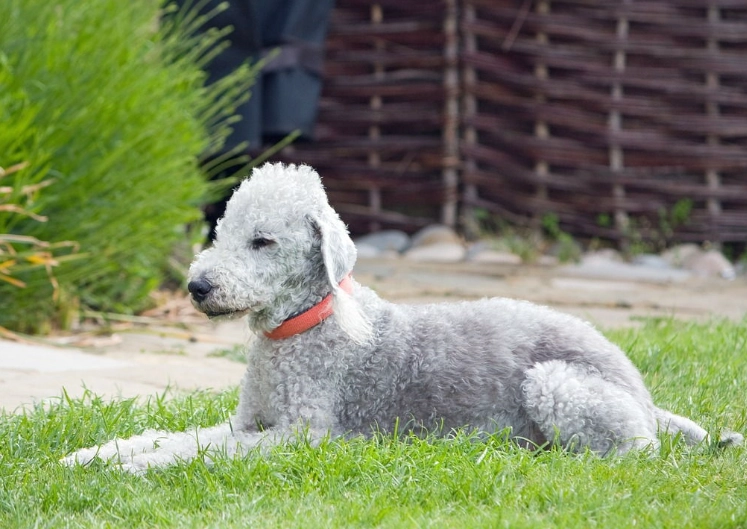
Reader Comments