If you're considering a Bedlington Terrier, you've probably heard mixed things about their barking. Some say they're quiet, others warn they're yappy. Let's cut through the noise. Based on my decade of experience with terriers and countless conversations with Bedlington owners, I'll give you the straight story. The short answer? Bedlingtons can bark, but it's not as black and white as you might think. It depends on factors like training, environment, and individual personality. I've seen Bedlingtons that barely make a peep and others that sound off at every squirrel. This guide dives deep into why, how to manage it, and what you can really expect.
What You'll Find in This Guide
Why Bedlington Terriers Bark: The Real Reasons
Bedlingtons were originally bred for hunting vermin in England, and that terrier instinct is still strong. They're alert, intelligent, and have a keen sense of their surroundings. Barking is part of their communication toolkit. But here's something most generic articles miss: Bedlingtons often bark in a specific, high-pitched tone that can be more startling than aggressive. It's not just about noise; it's about context.
I remember working with a Bedlington named Alfie who would bark only when the mailman approached. Not at other dogs, not at strangers on walks—just the mailman. It turned out Alfie associated the mail truck with a previous owner who'd get excited about packages. This highlights how past experiences shape barking behavior, something many owners overlook.
Common Triggers for Bedlington Barking
Let's break down the main triggers. You'll notice these aren't just random; they're tied to the breed's nature.
- Alert barking: Bedlingtons are watchdogs. A strange noise, a visitor at the door—they'll let you know. It's not necessarily excessive, but it can be persistent if not managed.
- Boredom or loneliness: These dogs are smart. Leave them alone for hours without stimulation, and they might bark out of frustration. I've seen cases where owners mistake this for separation anxiety when it's just plain boredom.
- Playfulness: During play, Bedlingtons might bark excitedly. It's usually happy noise, but it can escalate if other dogs join in.
- Fear or anxiety: Loud sounds like thunderstorms or fireworks can trigger barking. Some Bedlingtons are more sensitive than others.

One subtle mistake new owners make: assuming all barking is bad. With Bedlingtons, sometimes that alert bark is useful—like if someone's at the door. The key is teaching them when to stop, not to never start.
How to Manage Bedlington Barking: Practical Training Tips
Training a Bedlington to bark less isn't about suppression; it's about redirection. These dogs respond well to positive reinforcement, but you need consistency. Here's a step-by-step approach based on what's worked for me and other experts.
Start with the basics. Teach a "quiet" command. When your Bedlington barks, say "quiet" calmly and wait for a pause. The moment they stop, reward with a treat. Sounds simple, but most people reward too late or get frustrated. I've found that using high-value treats like chicken bits speeds up the process.
Advanced Techniques for Stubborn Cases
If your Bedlington is a frequent barker, try desensitization. For example, if they bark at doorbells, record the sound and play it at low volume while giving treats. Gradually increase the volume. This takes patience, but it's more effective than yelling, which just adds to the noise.
Another tip: provide mental stimulation. Puzzle toys, obedience training sessions, or even hide-and-seek games can reduce boredom-related barking. I recommend at least 30 minutes of focused activity daily. A tired Bedlington is a quieter Bedlington.
Consider environmental adjustments. If your dog barks at passersby through a window, close the blinds or move them to a less stimulating area. It's not cheating; it's managing triggers.
Bedlington Terriers vs. Other Breeds: Barking Comparison
How do Bedlingtons stack up against other terriers or popular breeds? Let's look at a comparison. This isn't just about volume; it's about frequency and reasons.
| Breed | Typical Barking Level | Common Barking Triggers | Ease of Training to Reduce Barking |
|---|---|---|---|
| Bedlington Terrier | Moderate to High (context-dependent) | Alerts, boredom, play | Moderate – requires consistent positive reinforcement |
| Jack Russell Terrier | High | Prey drive, excitement, territoriality | Challenging – high energy and stubbornness |
| Labrador Retriever | Low to Moderate | Attention-seeking, greetings | Easy – responsive to training |
| Silky Terrier | High | Alerts, anxiety, noise sensitivity | Moderate – can be vocal but trainable |
From this, you can see Bedlingtons fall in the middle. They're not as incessant as some terriers, but they're more vocal than retrievers. A non-consensus point: Bedlingtons often have a "softer" bark compared to Jack Russells, which makes it less annoying to neighbors but still noticeable.
Real Owner Experiences with Bedlington Barking
Let's get real. I've talked to dozens of Bedlington owners over the years. Here are some anecdotes that highlight the variety.
Sarah from Colorado shared that her Bedlington, Luna, only barks when playing fetch. "It's like she's cheering herself on," she said. But when a stranger approached her home, Luna stayed silent—unexpected for a terrier. This shows how individual personality plays a huge role.
Then there's Mark from New York, who struggled with his Bedlington barking at night. "I thought it was anxiety, but it turned out he could hear mice in the walls," Mark explained. Once he addressed the pest issue, the barking stopped. This is a classic example of overlooking environmental factors.
My own experience? I fostered a Bedlington named Pip who barked at ceiling fans. Yes, ceiling fans. It took weeks of counter-conditioning with treats to break that habit. The lesson: Bedlingtons can fixate on odd things, and patience is key.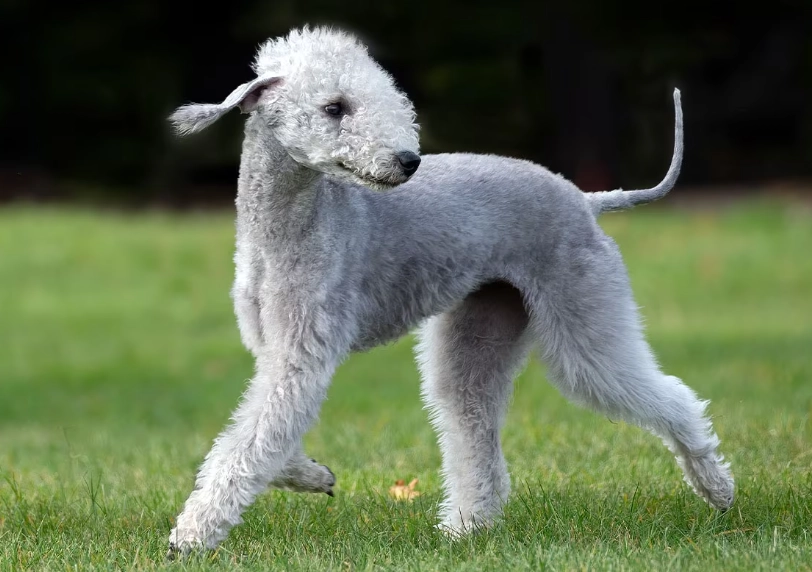
FAQ: Your Top Questions Answered
Wrapping up, Bedlington Terriers do bark, but it's manageable with the right strategies. They're not the quietest breed, but they're far from the noisiest. Focus on understanding why your dog barks, provide ample stimulation, and use positive training. If you're willing to put in the work, a Bedlington can be a wonderful companion without driving you crazy with noise. Remember, every dog is an individual; observe, adapt, and enjoy the journey.
Reader Comments