Let's talk about the Beauceron Harlequin. You've probably seen a picture – that striking gray background with black patches and spots, sometimes with tan points. It looks like a dog painted by an abstract artist. It's breathtaking. But here's the thing nobody in the fluffy Instagram posts tells you upfront: owning a Harlequin Beauceron is a different ball game compared to the standard black and tan or black and rust. It's not just a coat color. It's a package deal with specific genetics, potential health considerations, and a set of needs that can catch a first-time owner completely off guard. I've been around working dogs and Beauces for over a decade, and the number of well-meaning people who get blindsided by the realities of this particular variant is too high. This isn't a scare piece. It's a reality check from someone who admires the breed but has seen the pitfalls.
What You'll Find in This Guide
What Exactly Is a Beauceron Harlequin?
First, a Beauceron is a French herding and guarding breed, often called a "Bas Rouge" (red stockings) for the tan markings on its legs. They're intelligent, powerful, and need a job. The harlequin pattern is one of its accepted coat colors, alongside the more common black and tan ("noir et feu") and the rarer black and rust.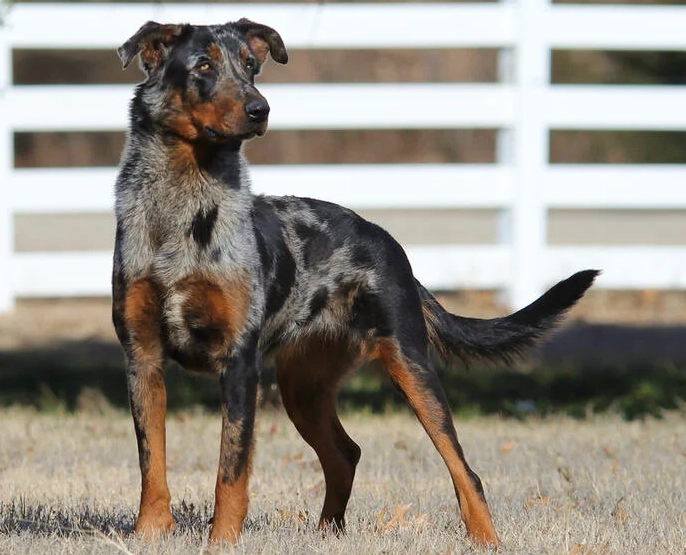
The harlequin pattern isn't unique to Beauces – think Great Danes. But in Beauces, it's governed by a specific genetic recipe. It requires the merle gene (M) acting on a black base coat. The merle gene dilutes random sections of the black pigment to gray, creating that mottled patchwork. The ideal harlequin has a clean gray base (not muddy) with well-distributed black patches. Faults include too much black (making it look almost solid) or too little, leaving a mostly washed-out gray dog.
The Health Risks Behind the Beautiful Coat
This is where most generic breed articles fall short. They list general Beauceron health issues like hip dysplasia (which is important) but gloss over the coat-specific risks. The harlequin pattern, linked to the merle gene, carries its own set of potential problems that any prospective owner must understand.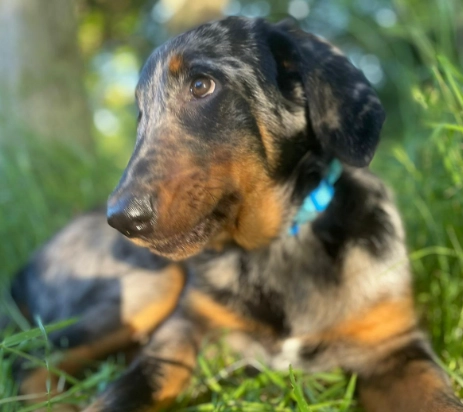
Coat Color Dilution Alopecia (CDA)
This is a big one. CDA is a condition where the hair follicles in the diluted (gray) areas of the coat are structurally weaker. The hair becomes brittle, breaks easily, and can lead to partial or complete baldness in those patches. It's not usually itchy or painful at first, but the exposed skin can become prone to sunburn, dryness, and secondary infections. I've seen a few harlequins with mild CDA – it doesn't stop them from being great dogs, but it requires a shift in your care routine (more on that later). Not all harlequins get it, but the risk is significantly higher than in solid-colored dogs.
Sensory Issues: Deafness and Vision Problems
Again, linked to the merle gene. The same pigment cells that color the fur also play a role in the development of the inner ear and eyes. A harlequin Beauceron may have a higher predisposition to congenital deafness (often in one ear) or minor eye abnormalities like slightly irregular pupils (corectopia) or increased sensitivity to light. This is NOT the same as the devastating issues in double merles, but it's a spectrum of possibility that responsible breeders test for. A BAER (hearing) test should be non-negotiable for any harlequin puppy.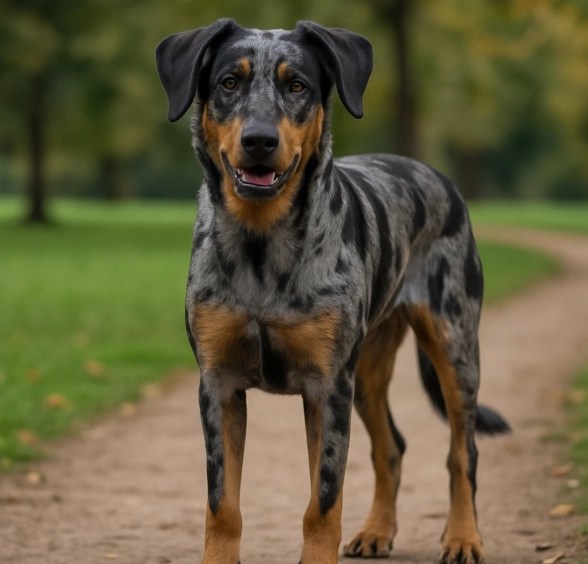
| Health Concern | Link to Harlequin Coat | What a Responsible Breeder Does |
|---|---|---|
| Coat Color Dilution Alopecia (CDA) | Directly linked to the pigment dilution in gray areas. | Breeds away from lines with a history of severe CDA; is transparent about minor cases. |
| Sensorineural Deafness | Associated with the merle (M) gene affecting inner ear development. | Performs BAER hearing tests on all puppies before placement. |
| Eye Abnormalities | Merle gene can affect eye structure and pigmentation. | Has puppies' eyes checked by a veterinary ophthalmologist. |
| Double Merle Syndrome | Result of breeding two merle-carriers (harlequin x harlequin). | NEVER breeds harlequin to harlequin. Only pairs harlequin with solid-colored mates. |
How to Judge If a Harlequin Beauceron Is Right for You
Forget the color for a minute. Can you handle a Beauceron? That's question one. They need 2+ hours of vigorous mental and physical exercise daily. They are sensitive, bond intensely with their family, and can be aloof with strangers. They are not golden retrievers. Now, layer on the harlequin-specific aspects:
Your lifestyle check: Are you prepared for potential extra vet visits for skin or ear issues? Can you commit to using dog-safe sunscreen on bald patches if CDA appears? Are you financially ready for possible BAER tests and ophthalmologist consults beyond standard puppy care?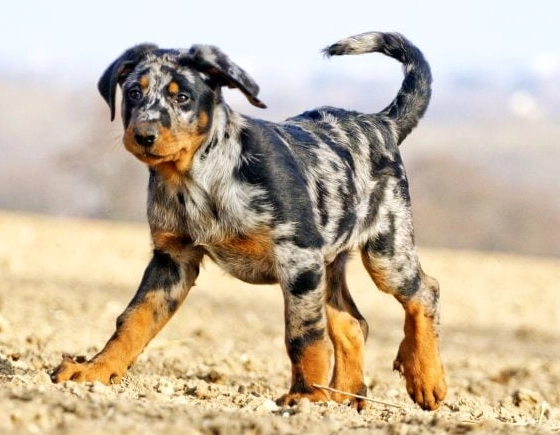
The attention factor: Harlequins are showstoppers. Every walk turns into a Q&A session. "What kind of dog is that?" "Is that a mix?" Some people love this, others find it exhausting. Your dog will get stared at, pointed at, and approached constantly.
I once knew a family who got a harlequin puppy purely for its looks. They were lovely people but sedentary. The dog's intelligence and energy, compounded by some noise sensitivity (possibly mild hearing oddities), led to destructive anxiety. The home wasn't wrong; the dog wasn't bad. It was a mismatch where the unique needs of that particular dog weren't factored in.
Caring for Your Harlequin: Beyond Basic Dog Care
Assuming you're the right home, here's how care differs.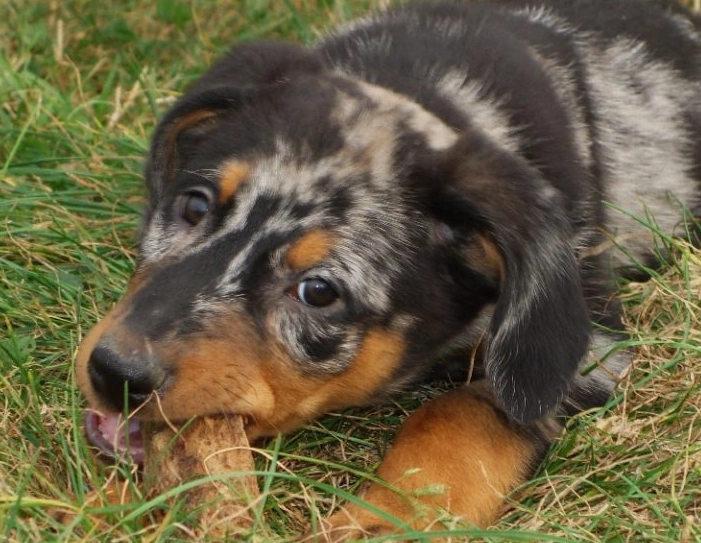
Skin and Coat Care: Use a gentle, moisturizing shampoo. I avoid anything harsh or overly medicated unless a vet says otherwise. Regular brushing with a soft-bristle or rubber curry brush stimulates the skin and distributes natural oils, which is crucial if the coat is prone to dryness. After baths, make sure they're completely dry, especially in the folds and diluted areas, to prevent fungal issues.
Sun Protection: If your dog has any thin or bald spots from CDA, sunblock is not optional. Use a pet-safe formula on exposed pink skin. In summer, consider a light UV-protective shirt for long hikes.
Training and Socialization: This is critical for all Beauces, but with a potential for sensory differences, it's paramount. Socialize carefully to various sounds, sights, and surfaces. If there's any hearing impairment, you'll rely more on hand signals from day one. Be patient. Their other senses will be sharper.
Diet and Supplements: A high-quality diet rich in omega-3 and omega-6 fatty acids can support skin and coat health. Many harlequin owners I know swear by adding a fish oil supplement after consulting their vet. It won't cure CDA, but it can improve overall skin condition and shine.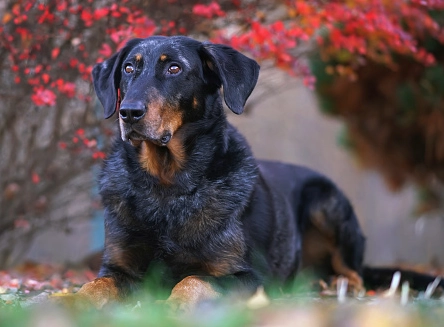
The Critical Step: Finding a Responsible Breeder
This is the most important part of your journey. With a harlequin, a bad breeder isn't just a source of poorly tempered pups; it's a source of genetically compromised animals. Here’s your red flag/green flag list.
Red Flags (Run away):
- Advertises "rare harlequin puppies" as their main selling point.
- Has multiple harlequin litters available at once.
- Cannot explain the genetics or the risks of merle x merle breeding.
- Does not perform health testing on parent dogs (OFA hips/elbows, cardiac, eye exams).
- Does not offer BAER test results for the puppies.
- Is willing to ship a puppy to you without a detailed interview.
- Breeds harlequin to harlequin.
Green Flags (Good signs):
- Is deeply involved in the Beauceron community (clubs, shows, herding trials).
- Breeds harlequins infrequently, as part of a larger program focused on health and temperament.
- Only breeds harlequins to solid-colored (black and tan) mates to avoid double merles.
- Provides full health clearances for both parents, freely shares them.
- Has BAER tested the entire litter and discusses the results openly.
- Asks you more questions than you ask them. Wants to know about your job, home, activity level, experience.
- Has a contract that includes a health guarantee and a clause requiring you to return the dog to them if you can't keep it, ever.
Expect to be on a waitlist. Expect to pay a premium over a pet-quality black and tan. You're not paying for color; you're paying for the extensive health testing and responsible breeding practices required to produce a healthy harlequin.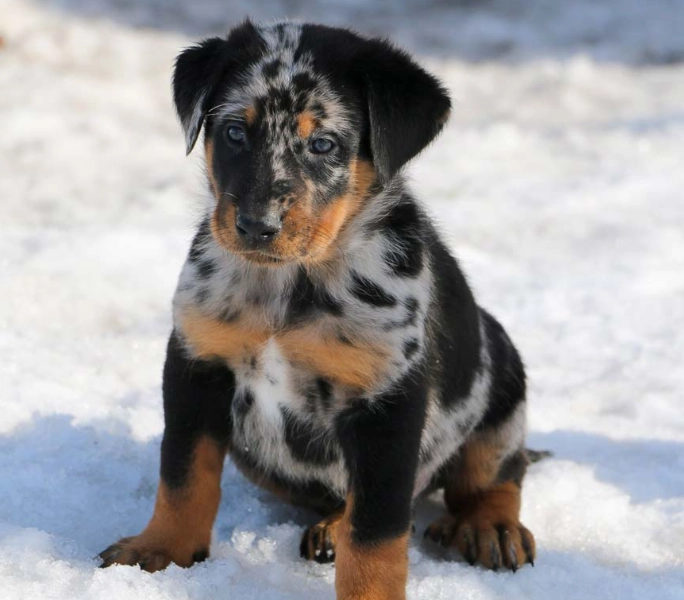
Your Questions Answered
Are Harlequin Beaucerons good family dogs with kids?
A well-bred, well-socialized Beauceron of any color can be an excellent family guardian and companion. However, their herding instinct is strong. They may gently herd small, running children by nudging or bumping them. This needs to be channeled through training. Their size and energy can accidentally knock over a toddler. Supervision is always key. The harlequin-specific factor is potential noise sensitivity – a child's sudden scream might startle them more than other dogs, so early, positive exposure is crucial.
What's the biggest mistake new Harlequin Beauceron owners make?
Focusing solely on the coat and underestimating the breed's core needs. They see a stunning, unique-looking dog and think "I want that," without realizing they're signing up for a high-drive working breed that demands structure, leadership, and purpose. The color adds potential health wrinkles, but the foundational challenge is the Beauceron brain and energy level. Prioritize temperament and drive from the breeder over the "perfect" patch distribution.
Can a Harlequin Beauceron compete in dog sports like agility or obedience?
Absolutely, and they often excel. Their intelligence, athleticism, and desire to work with their handler make them naturals. The potential for sensory issues just means your training approach might need adjustment. Use clear, consistent hand signals alongside verbal cues from the start. If there's any hearing limitation, you're already prepared. I've seen a harlequin Beauceron with unilateral deafness become a top-tier agility dog because her owner trained primarily with visual signals.
How much more expensive is a Harlequin Beauceron compared to a standard one?
From an ethical breeder, the initial purchase price might be 20-40% higher. This reflects the cost of the additional required health testing (BAER tests on the whole litter, possibly more specialized vet checks). The real financial difference comes in potential lifetime care. You may spend more on skin treatments, specialty shampoos, sun protection, and monitoring for sensory issues. It's not a guarantee, but it's a budget consideration you should make upfront.
My Harlequin's coat seems thin and patchy. Is this CDA?
It could be. The first step is a vet visit to rule out other causes like allergies, parasites, or hormonal issues. True CDA is diagnosed via skin biopsy. If it is CDA, management is key: gentle grooming, skin moisturizers (ask your vet for recommendations), omega supplements, and strict sun protection. It's a cosmetic condition more than a health crisis, but it requires proactive care to keep the dog comfortable and prevent secondary problems.
The Beauceron Harlequin is a magnificent animal – a blend of power, grace, and unique beauty. But that beauty is more than fur-deep genetics with real consequences. Choosing to bring one into your life should be a decision based on a love for the breed's character first, with a clear-eyed understanding of the extra responsibilities its coat may entail. Do your homework, find that needle-in-a-haystack ethical breeder, and be prepared to meet this exceptional dog's needs. The reward is a loyal, capable, and utterly unforgettable companion.
Reader Comments