Let's not sugarcoat it. If you're researching the Bernese Mountain Dog lifespan, you've probably already seen the sobering statistic: 7 to 10 years, with an average often cited around 8. It hits you right in the chest, doesn't it? You fall in love with those gentle eyes and tri-color coat, only to be confronted with a timeline that feels unfairly short compared to other breeds. I've been there. My friend's Berner, Max, was the heart of their family for just nine years. That experience, watching them navigate his later years, taught me more than any generic breed guide ever could. This article isn't about scaring you. It's about arming you. We'll dissect the why behind those numbers and, more importantly, map out the how—the concrete, actionable steps backed by science and seasoned owner experience—to push the odds in your gentle giant's favor.
What’s Inside: Your Guide to a Longer Life for Your Bernie
The Numbers and the Reality: Why 8 Years?
That 7-10 year range isn't just a random guess. It's a painful average born from large-scale studies, like the one conducted by the American Kennel Club and the UK Kennel Club's extensive breed surveys. For comparison, a small breed like a Chihuahua might average 12-15 years. The disparity is stark. The primary culprits? A trifecta of size, genetics, and a specific vulnerability to cancer. Large and giant breed dogs simply age faster on a cellular level. Their bodies work harder, their growth is rapid, and this puts immense strain on their systems from the start. Combine this accelerated biological clock with a historically limited gene pool (the breed nearly went extinct in the 19th century), and you have a perfect storm for hereditary health issues. It's the breed's tragic paradox: immense strength and heart housed in a biologically fragile frame.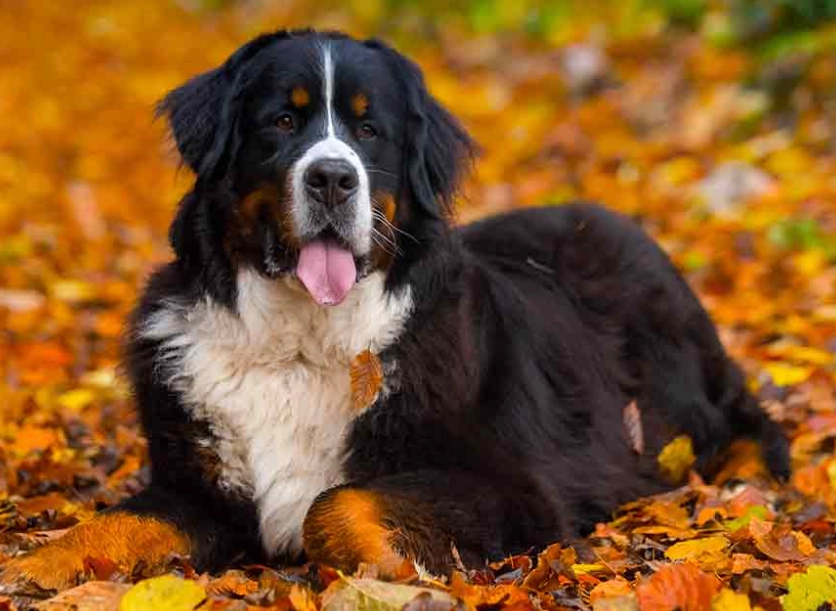
Here's a perspective shift most articles miss: Focusing solely on the average is disempowering. I prefer to look at the range. The goal isn't to hit the average; it's to do everything possible to land your dog in the right-hand side of that distribution—to be one of the Berners celebrating a 10th, 11th, or even 12th birthday. That's where your choices as an owner make all the difference.
The Biggest Threats to a Bernese Mountain Dog's Lifespan
To fight a problem, you need to know its face. For Bernese Mountain Dogs, three adversaries are responsible for cutting too many lives short.
1. Cancer: The Overwhelming Leader
It's the word every Berner owner dreads. Studies, including a seminal one published in the Journal of Veterinary Internal Medicine, suggest a staggering over 50% of Bernese Mountain Dogs will develop some form of cancer in their lifetime. The most common and aggressive is histiocytic sarcoma, a cancer specific to this breed and a few other related ones. It's brutal and fast-moving. Other frequent cancers include mast cell tumors, lymphoma, and osteosarcoma (bone cancer). This isn't meant to terrify you, but to emphasize the non-negotiable need for vigilant, twice-yearly veterinary check-ups once your dog hits middle age (around 5-6 years old). Early detection is the only weapon we have.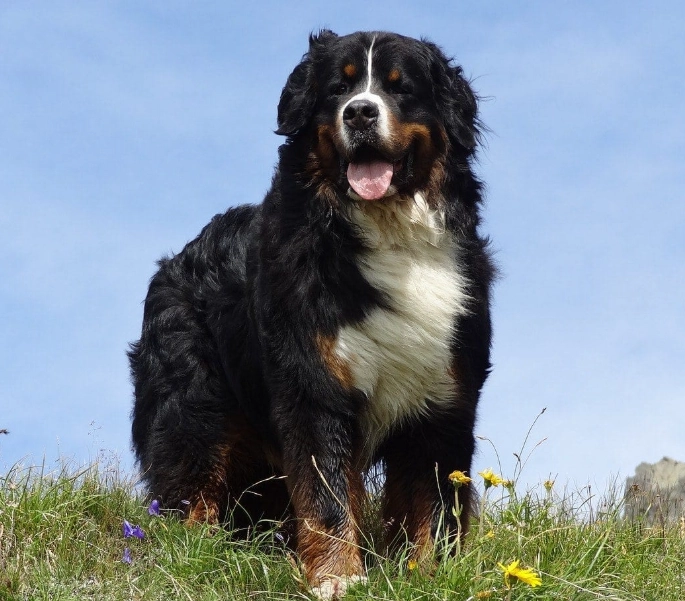
2. Degenerative Joint Disease: The Silent Limiter
Hip and elbow dysplasia are rampant in the breed. This isn't just about a limp in old age. Chronic pain from poorly formed joints leads to inactivity, weight gain, and a cascade of other health problems. It steals their quality of life long before it ends it. The pain management conversation starts early. I've seen owners dismiss a slight stiffness in a 4-year-old Berner as "just getting older," but that's the exact moment to intervene with supplements, physical therapy, and weight management.
3. Bloat (GDV): The Sudden Emergency
Gastric Dilatation and Volvulus is a nightmarish, fast-acting condition where the stomach fills with gas and twists. Large, deep-chested breeds like Berners are top of the risk list. It's fatal within hours without emergency surgery. Knowing the symptoms (unproductive retching, distended abdomen, restlessness) is critical. But the real focus should be prevention: feeding multiple small meals a day, using a slow-feeder bowl, and strictly enforcing rest before and after eating.
| Health Threat | Impact on Lifespan | Key Prevention / Action Step |
|---|---|---|
| Cancer | High - Major cause of premature death. | Bi-annual vet checks for lumps, scans; know family history. |
| Joint Dysplasia | Medium-High - Reduces quality of life, leads to secondary issues. | Buy from OFA-certified parents; manage weight; provide joint supplements (glucosamine/MSM). |
| Bloat (GDV) | High - Acute, fatal emergency. | Preventative gastropexy surgery; slow feeding; no exercise around meals. |
| Heart Disease | Medium | Annual stethoscope exam; watch for coughing or lethargy. |
Your Proactive Care Plan: From Puppy to Senior
This is where we move from fear to action. Think of your Berner's life as a building project. The foundation you pour in the first two years determines the stability of the entire structure.
The Puppy Foundation (0-2 Years): This is the most critical window. Slow their growth. Contrary to old thinking, you don't want a massive, fast-growing puppy. Feed a large-breed puppy formula designed to moderate growth. Keep them lean. I can't stress this enough—a study by Purina followed Labrador Retrievers for life and proved that keeping them at an ideal body condition score extended their median lifespan by nearly two years. The same applies doubly to Berners. Avoid forced running on hard surfaces to protect developing joints. Focus on mental stimulation and short, controlled play sessions.
The Prime Years (3-6 Years): This is your maintenance window. Establish a consistent exercise routine—long, sniff-filled walks are better than sprinting. Continue weight checks monthly. This is the ideal time to discuss proactive gastropexy (stomach tacking surgery) with your vet, often done during a spay/neuter. It's a game-changer for bloat risk. Dental care is not cosmetic; periodontal disease introduces bacteria into the bloodstream, affecting the heart and kidneys.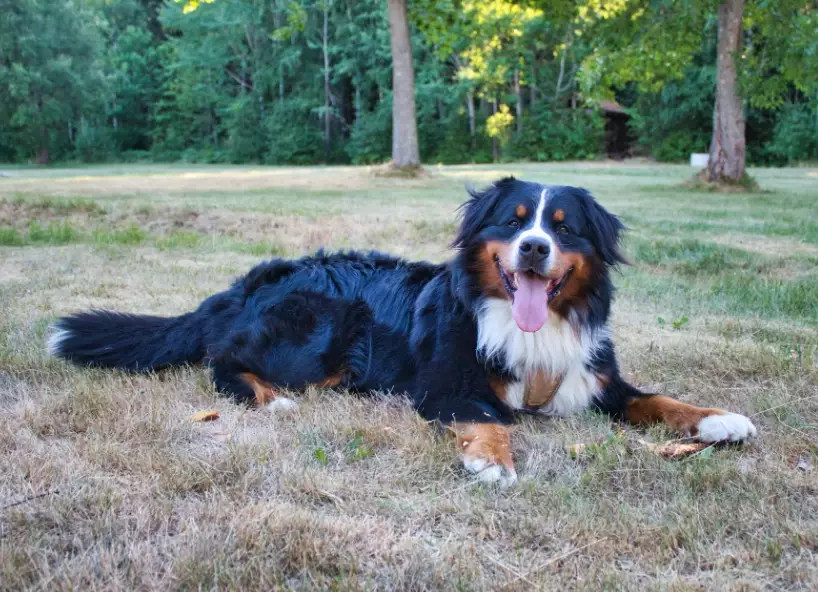
Nutrition and Weight: The Lifespan Lever You Control
If I could give Berner owners one single piece of advice with the biggest impact, it's this: Keep. Them. Lean. Not just "not fat," but a visible waist and ribs you can easily feel under a thin layer of fat. Carrying extra weight is like asking a dog with shaky joints and a predisposition to cancer to run a marathon with a backpack on. It stresses every system.
Choose a high-quality commercial diet formulated for large breeds or, if you're committed, work with a veterinary nutritionist on a balanced home-cooked or raw plan. Be skeptical of boutique grain-free diets linked to heart disease (DCM) unless recommended for a specific allergy diagnosed by your vet. The FDA has ongoing investigations you can read about on their website. Supplements like high-quality fish oil (for anti-inflammatory omega-3s), glucosamine/chondroitin, and a probiotic can be beneficial, but treat them as complements to a stellar core diet, not magic pills.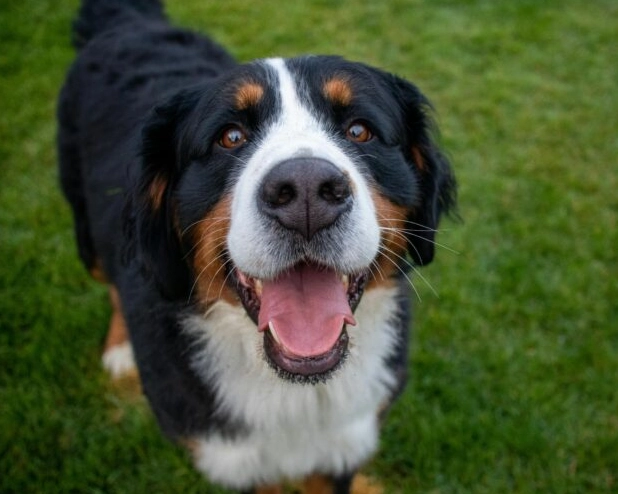
Navigating the Senior Years with Grace
Around age 7, your Berner is a senior. Their needs shift dramatically. Exercise becomes less about distance and more about consistency and mental engagement. A 20-minute walk with lots of sniffing is perfect. Ramp up veterinary checks to every six months. These should include bloodwork (CBC, chemistry panel) and a urinalysis to catch kidney, liver, or early diabetic changes invisible from the outside.
Adapt your home. Non-slip rugs on hardwood floors are a must to prevent painful falls. Orthopedic beds support aching joints. Observe them closely. Is that stiffness just aging, or is it pain? A common mistake is attributing all slowing down to "old age" when it might be manageable arthritis pain. Drugs like Galliprant or supplements like Adequan injections can offer remarkable relief. The goal isn't immortality, but maximizing comfort, dignity, and joy in every single day they have left.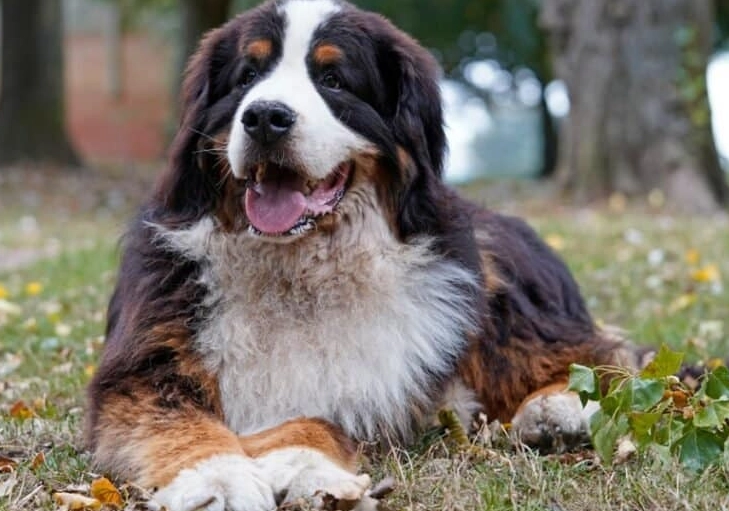
Answering Your Toughest Questions (FAQ)
The story of the Bernese Mountain Dog lifespan is a bittersweet one, marked by immense love and a heartbreakingly short timeline. But it's not a foregone conclusion. By understanding the genetic battlefield, becoming a proactive and vigilant caregiver, and making informed choices from day one, you are not just hoping for more years—you are actively engineering the possibility for them. You're giving your gentle giant the best shot at a life that's not only longer, but fuller, happier, and more comfortable every step of the way. That's the ultimate goal.
Reader Comments