If you're here, you're probably looking at your lanky, energetic Bluetick Coonhound and wondering, "Is he supposed to be this thin?" Or maybe you're noticing a little extra padding and getting concerned. You're not alone. Getting a handle on your Bluetick's weight isn't just about looks—it's the single biggest factor you can control for their long-term joint health and vitality. Forget the vague "large breed" labels. Let's talk specifics.
What's Inside This Guide?
What is a Healthy Weight for a Bluetick Coonhound?
The official breed standard from the American Kennel Club (AKC) gives a range, but it's broad for a reason. Males typically stand 22 to 27 inches at the shoulder, females 21 to 25 inches. Weight follows that frame.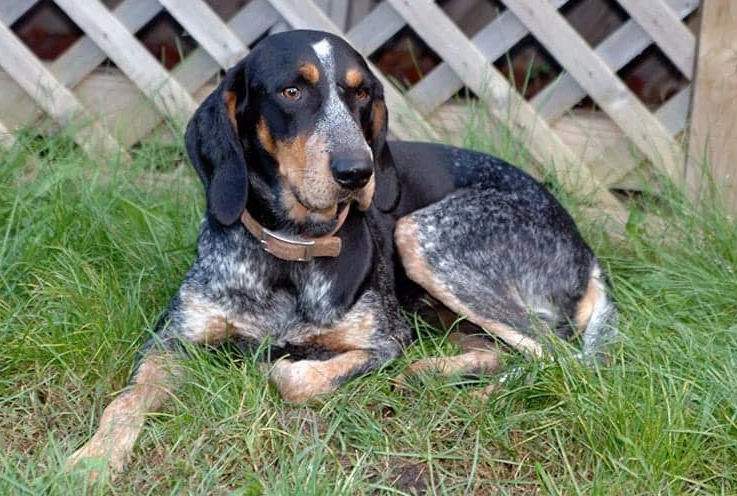
| Sex | Typical Weight Range | Key Physical Indicator of Ideal Weight |
|---|---|---|
| Male Bluetick Coonhound | 55 - 80 pounds (25 - 36 kg) | You should be able to easily feel the last two ribs with light pressure. A visible waist should be present when viewed from above. |
| Female Bluetick Coonhound | 45 - 65 pounds (20 - 29 kg) | Ribs should be palpable without a thick fat covering. A distinct abdominal tuck should be visible from the side. |
See that spread? A small-framed female might be perfectly healthy at 48 pounds, while a big-boned male could be lean at 78. The number on the scale is less important than their Body Condition Score (BCS). This is where most owners get tripped up. We're so used to seeing overweight pets that a fit, muscular hound can look "too skinny" to the untrained eye.
The Rib Test: Run your hands along your dog's side. You should feel the ribs with a slight covering, like the back of your hand. If you have to press to find them, there's too much fat. If they feel sharp and prominent with no covering, they're underweight.
Bluetick Coonhound Puppy to Adult: Growth Stages & Weight Milestones
Blueticks are considered a large breed, but they don't grow like mastiffs. Their growth is steady and prolonged, often not filling out completely until they're 18 to 24 months old. Here’s what you can expect.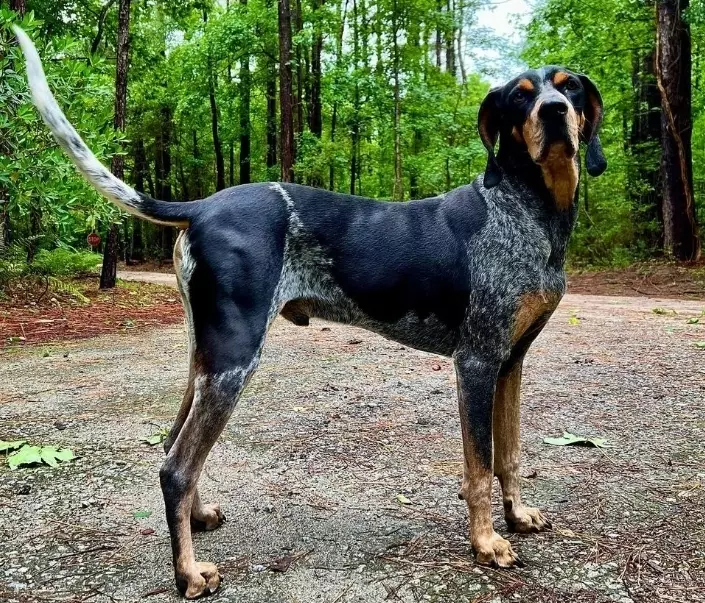
Puppy Phase (0-12 Months): The Lanky Teenager
From 8 weeks to about 6 months, they're all legs and appetite. Growth is rapid. Don't be alarmed by sudden spurts where they seem impossibly thin. By 6 months, most will have reached about 60-70% of their adult height and maybe 50% of their eventual weight.
A rough guideline: A puppy might gain 2-4 pounds per week initially, slowing down after 6 months. I tracked my own male, Jasper. At 6 months he was a leggy 45 pounds. By 9 months, he'd added more muscle but only about 10 more pounds.
Adolescent to Adult (12-24 Months): Filling Out
This is when they build muscle and chest depth. The weight gain slows dramatically, maybe a pound or two a month. This is the critical period where overfeeding can set them up for lifelong joint stress. They still look hungry—they always look hungry—but their caloric needs are decreasing relative to their puppy phase.
I made the mistake of free-feeding Jasper during this time, thinking his metabolism would handle it. By 18 months, he was a solid 85 pounds and the vet pointed out he'd lost that defined waist. It took a disciplined 4 months to get him back to a lean 75.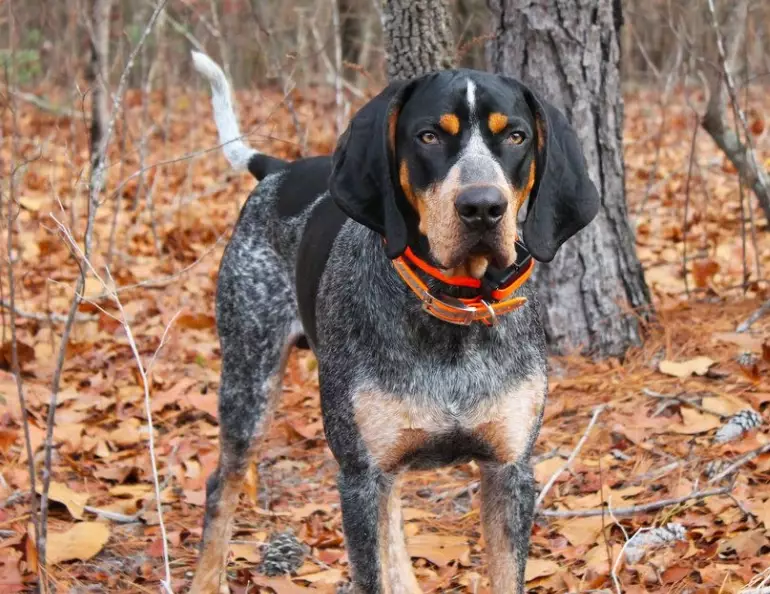
What Factors Influence a Bluetick's Size?
Why is your neighbor's Bluetick 70 pounds and yours is 60? A few key reasons.
Genetics is the biggest player. Lines bred for show conformation might be stockier. Working lines from hunting kennels are often leaner and rangier. Ask your breeder about the size of the parents and grandparents.
Neutering/Spaying, especially if done early (before 12 months), can slightly alter metabolism and growth plate closure, sometimes leading to a taller, slightly heavier dog. It doesn't cause obesity, but it can mean you need to be more mindful of portions.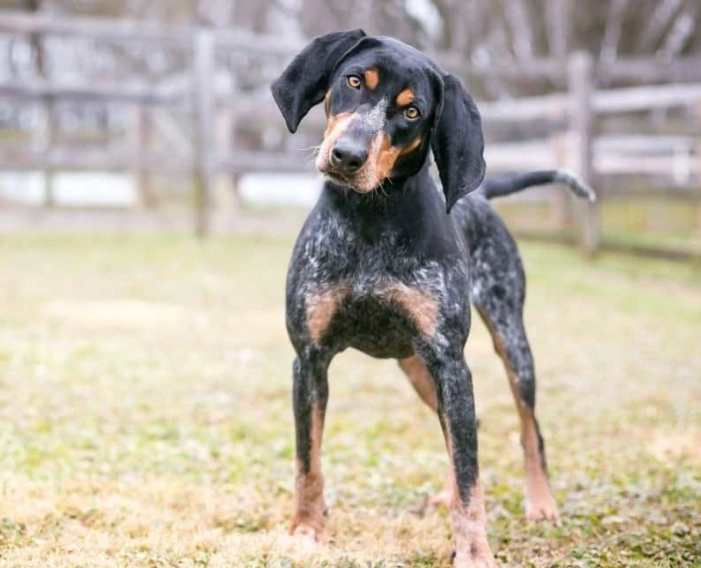
Diet and Activity Level are the variables you control. A coonhound that hunts or runs 10 miles a week will carry weight differently than a suburban pet with two 30-minute walks a day. Their muscle mass is a huge factor in healthy weight.
Watch Out For This: Many "large breed" puppy foods are still too high in calcium and calories for the moderate growth rate of a Bluetick. Switching to a high-quality adult maintenance food around 12-14 months, or even a "all life stages" formula from a reputable brand, can often be better than staying on a calorie-dense puppy formula too long.
How to Manage Your Bluetick Coonhound's Weight
This is the practical part. It's not complicated, but it requires consistency.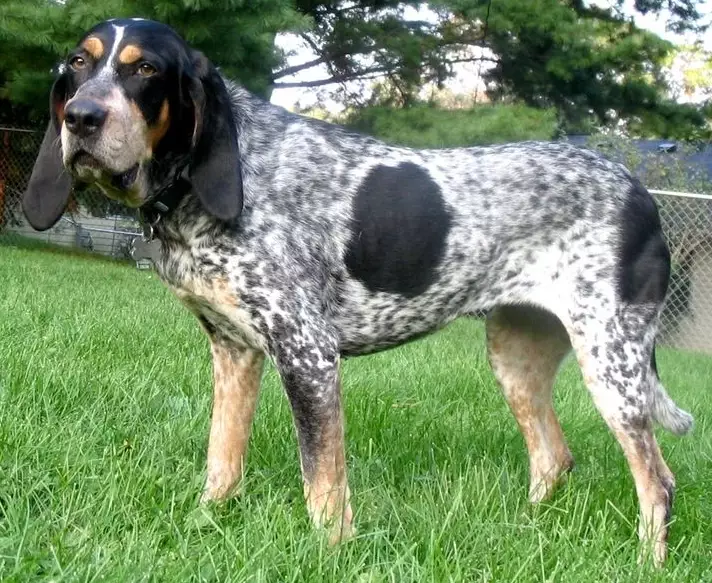
Feeding: Quality Over Quantity, Every Time
Don't trust the bag. The feeding guidelines on dog food are averages for a highly active dog. Start with the lower end of the recommendation for your dog's target weight (not current weight if they're overweight).
For an average adult Bluetick (60-70 lbs), 2.5 to 3.5 cups of a good quality dry food per day, split into two meals, is a common starting point. Adjust based on activity. Jasper gets 3 cups total on a normal day, but if we have a big hiking weekend, I'll add an extra half cup.
Measure the food. Use a real measuring cup. "Eyeballing it" is how pounds creep on. And for heaven's sake, factor in treats! Those milk bones and peanut butter Kongs add up. Use low-calorie options like green beans, apple slices, or specially formulated training treats.
Exercise: It's Non-Negotiable
A tired Bluetick is a happy Bluetick, and a fit one. They need more than a stroll around the block.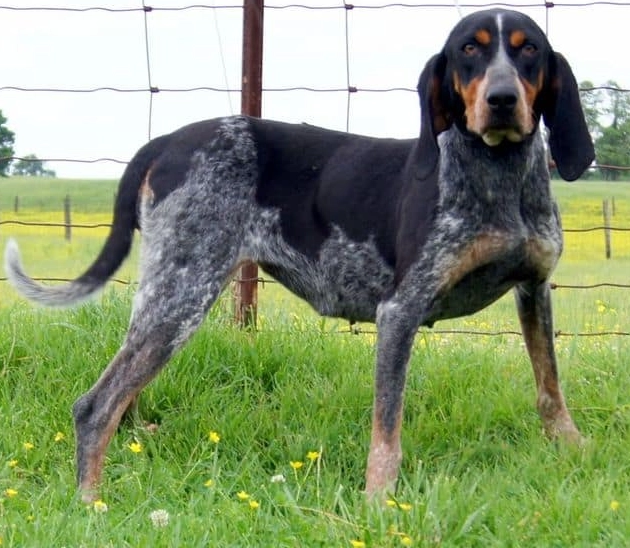
- Daily Minimum: 60-90 minutes of active exercise. This can be two 30-minute brisk walks/jogs plus a 30-minute play session.
- Ideal Exercise: Activities that engage their nose and mind. Scent work, tracking games, or safe off-leash running in a secured area. Swimming is fantastic for building muscle without joint impact.
- Mental Exercise: A bored hound will scavenge for food. Puzzle feeders, training sessions, and chew toys keep them occupied and burn mental energy.
If your dog is already overweight, increase exercise gradually. Start with longer, slower walks before introducing running to avoid injury.
Regular Weigh-Ins and Vet Checks
Weigh your dog monthly. Use your home scale: weigh yourself, then weigh yourself holding your dog, and do the math. Track it. A gradual gain of even 5 pounds over a year is significant.
Your vet is your partner. They can give you an objective BCS and rule out medical issues like hypothyroidism, which can cause weight gain. The American Animal Hospital Association (AAHA) considers weight management a vital part of preventative care.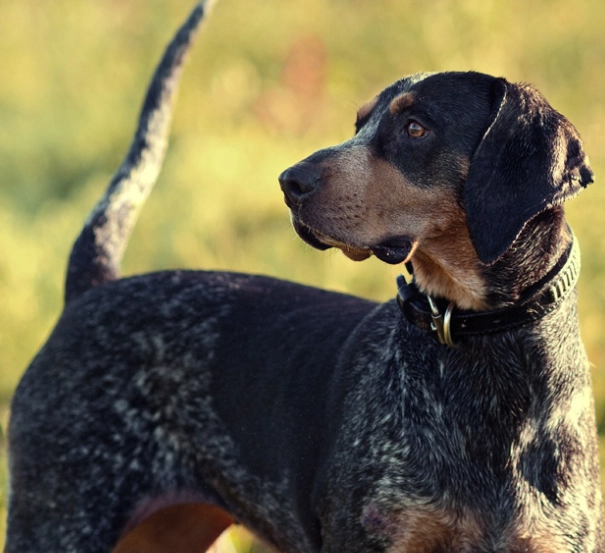
Reader Comments