Let's cut to the chase. Is a Bluetick Coonhound a good family dog? The answer isn't a simple yes or no. It's a solid "maybe, but only if your family is the right fit." I've been around hunting breeds for over a decade, and I've seen too many families bring home a beautiful Bluetick puppy, captivated by those striking speckled coats and soulful eyes, only to be completely overwhelmed six months later. This isn't your average suburban companion. This is a purpose-bred working dog with instincts that run deep. If you're looking for a couch potato that's happy with a 20-minute walk, look elsewhere. But if your family thrives on adventure, has space for a vocal athlete, and understands the unique mind of a scent hound, a Bluetick can be an incredibly loyal and entertaining addition. This guide won't just repeat the breed standard from the American Kennel Club. We'll dig into the real-life implications of bringing this distinctive hound into a modern home.
What's Inside This Guide
- The Bluetick Personality: More Than Just a Hunting Dog
- Bluetick Coonhounds in Family Life: The Good, The Loud, and The Energetic
- Meeting Their Exercise Needs: It's Not Just a Walk
- Training a Bluetick Coonhound: Patience is Your Best Tool
- Health and Grooming: Keeping Your Hound Healthy
- Making the Decision: Is a Bluetick Right for Your Home?
- Your Bluetick Coonhound Questions Answered
The Bluetick Personality: More Than Just a Hunting Dog
People see "coonhound" and think "hyper-focused hunter." That's true, but it's only part of the story. At home, a well-exercised Bluetick is often a gentle, affectionate goofball. They form strong bonds with their "pack" and can be surprisingly clingy. Don't be shocked if you find a 70-pound dog trying to be a lapdog.
But here's the catch, the one most generic articles gloss over: their intelligence is scent-driven. They can solve complex puzzles if the puzzle involves tracking a smell. Asking them to perform repetitive obedience drills for no apparent reason? That's where you'll hit a wall. Their stubbornness isn't malice; it's a deep-seated prioritization of their nose over your voice. I recall a friend's Bluetick who once ignored a plate of steak to follow a mole trail in the backyard. That's the level of scent obsession we're talking about.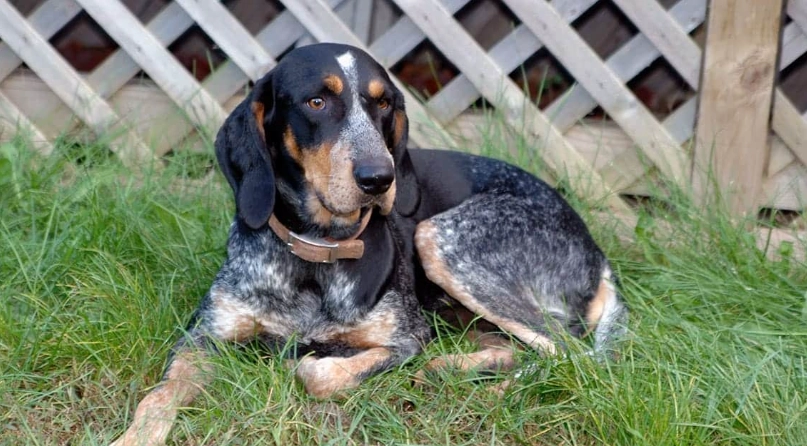
They are also famously vocal. The Bluetick's bay is a melodious, deep-throated sound used on the hunt. At home, it translates to howling at sirens, announcing visitors with dramatic flair, and sometimes "talking" just for the sake of it. If you have close neighbors or need absolute quiet, this breed will create tension.
Bluetick Coonhounds in Family Life: The Good, The Loud, and The Energetic
So, how do these traits play out in a family setting?
With Children
Generally excellent. Their pack mentality makes them protective of children they see as their own. They are typically patient and tolerant of the clumsy affection of kids. However, their size and exuberance can be a hazard for toddlers. A happy tail swipe can clear a coffee table, and their play style involves bouncing and mouthing (gentle, but still). Supervision is non-negotiable, and teaching kids to respect the dog's space, especially when eating or sleeping, is crucial.
With Other Pets
This is the major sticking point. Their high prey drive is instinctual. Cats, rabbits, and small rodents are often seen as game. Introducing a Bluetick to a home with existing small pets is a massive, often ill-advised, undertaking that requires professional guidance. With other dogs, especially of similar size and energy, they often do well, as they are bred to work in packs. Early socialization is key.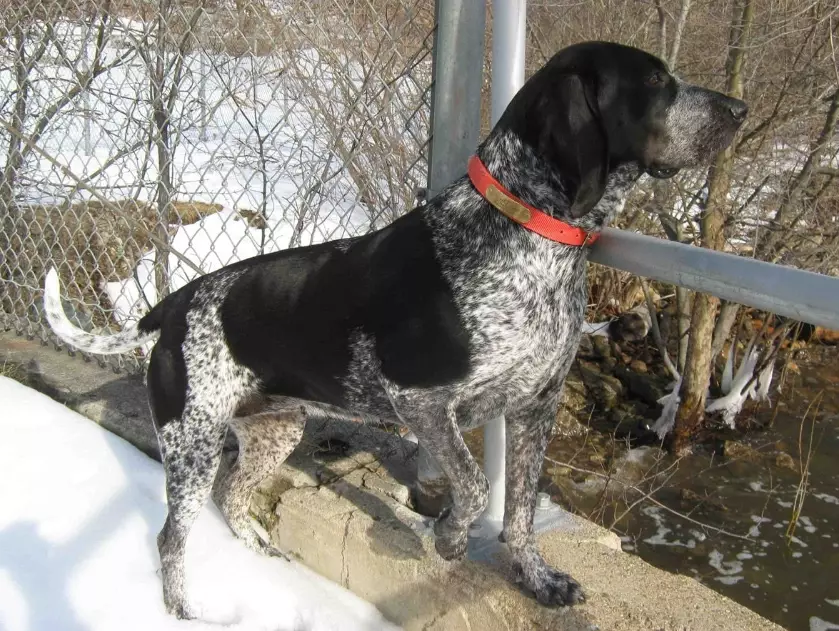
Key Takeaway: A Bluetick can be a wonderful playmate for older, dog-savvy children but is a poor fit for homes with small, furry pets other than dogs.
Meeting Their Exercise Needs: It's Not Just a Walk
This is where most families fail. A leashed walk around the block is a warm-up, not a workout. These dogs were bred to cover miles of rough terrain through the night. An under-exercised Bluetick is a destructive, noisy, anxious mess.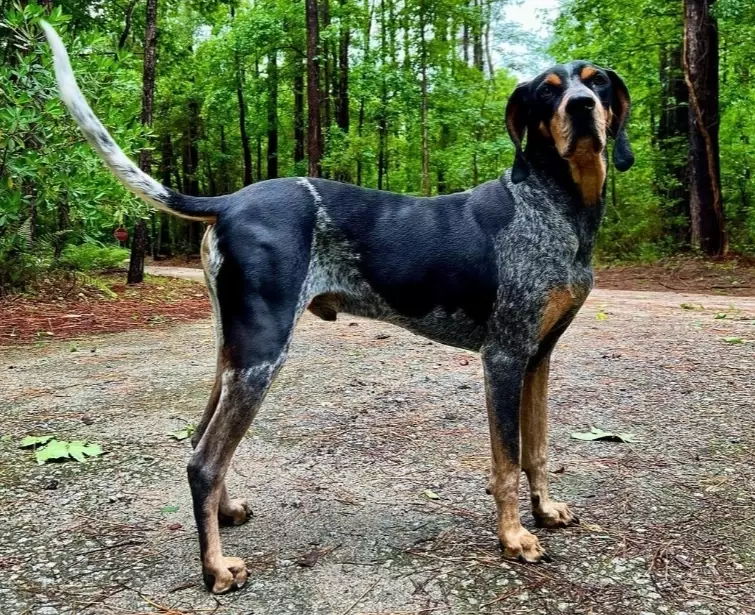
- Daily Minimum: At least 60-90 minutes of vigorous activity. This should be a mix of physical and mental exercise.
- Ideal Activities: Long hikes, jogging, biking (with proper training), and scent work. Scent work is the golden ticket. Hiding treats or toys in the yard or playing structured tracking games taps directly into their brain and tires them out more effectively than pure running.
- The Yard Myth: A big yard alone is not enough. They will likely just lie on the porch unless given a job or engaged. A secure, tall fence (6 feet minimum) is absolutely essential. Their nose can lead them under or over a standard fence in pursuit of a scent.
Training a Bluetick Coonhound: Patience is Your Best Tool
Forget the rigid, command-heavy style you might use with a German Shepherd. Training a Bluetick is about partnership and making yourself more interesting than the ten thousand smells in the backyard.
- Use Food & Positive Reinforcement: They are highly food-motivated. Use this to your advantage with high-value treats.
- Recall is Your #1 Priority: Off-leash reliability in an unfenced area is a lifelong challenge. Start recall training in low-distraction environments and never, ever punish them for coming back, even if it took 10 minutes. Work up to long-line training in safe areas.
- Channel the Nose: Enroll in a nose work or tracking class. It gives them a legitimate job and builds focus in a way sit-stay never will.
- Consistency Over Commands: Be consistent with house rules. If they're not allowed on the couch, it's never allowed. Mixed messages confuse them.
Health and Grooming: Keeping Your Hound Healthy
Blueticks are generally robust dogs, but like all purebreds, they have predispositions. Responsible breeders test for these conditions. According to the Orthopedic Foundation for Animals (OFA), screenings are crucial.
| Health Consideration | Details & Prevention |
|---|---|
| Hip Dysplasia | A common joint issue. Ask breeders for OFA or PennHIP clearance for both parents. Maintain a healthy weight to reduce stress on joints. |
| Ear Infections | Those long, floppy ears trap moisture and debris. Weekly checking and gentle cleaning with a vet-approved solution are mandatory. |
| Bloat (GDV) | A life-threatening stomach condition. Feed two smaller meals a day instead of one large one, avoid vigorous exercise right after eating, and know the symptoms. |
| Grooming | Surprisingly low-maintenance. Their short coat needs a weekly brush to manage shedding. They are average shedders. Nail trimming and dental care are important routines. |
Making the Decision: Is a Bluetick Right for Your Home?
Let's be brutally honest. A Bluetick Coonhound is a terrible family dog for:
- Apartment dwellers or homes with noise restrictions. >Families with very young children or existing small pets (cats, guinea pigs, etc.).
- People wanting an off-leash hiking companion without extensive, dedicated training.
- Those looking for a low-energy, low-maintenance pet.
A Bluetick Coonhound can be a fantastic family dog for: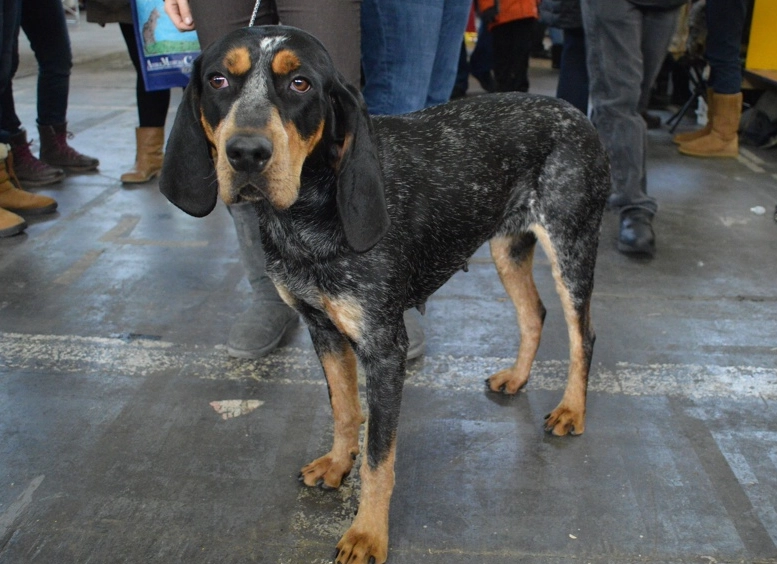
- Active families with a securely fenced yard who enjoy daily outdoor adventures.
- Homes with older children who can participate in the dog's care and exercise.
- Owners who find the unique hound personality charming and are patient trainers.
- Those willing to engage the dog's mind through scent sports and structured play.
Your Bluetick Coonhound Questions Answered
 The final verdict? A Bluetick Coonhound is not a generic family dog. It's a specialist. If your family's lifestyle aligns with the needs of a vocal, athletic, scent-obsessed hound, you'll gain a loyal, loving, and endlessly entertaining member. If not, the mismatch leads to frustration for both humans and dog. Do the honest assessment. Your future—and the dog's—depends on it.
Reader Comments