If you ask someone to picture a Boykin Spaniel, they'll almost certainly imagine a solid brown dog. It's the breed's signature look. But after living with and breeding Boykins for over a decade, I can tell you that "brown" is a starting point, not the whole story. There's a subtle richness and variation in Boykin Spaniel colors that most casual observers miss, and understanding it reveals a lot about the dog's genetics, health, and even its history. This isn't just about aesthetics; the coat's color and condition are a window into your dog's well-being.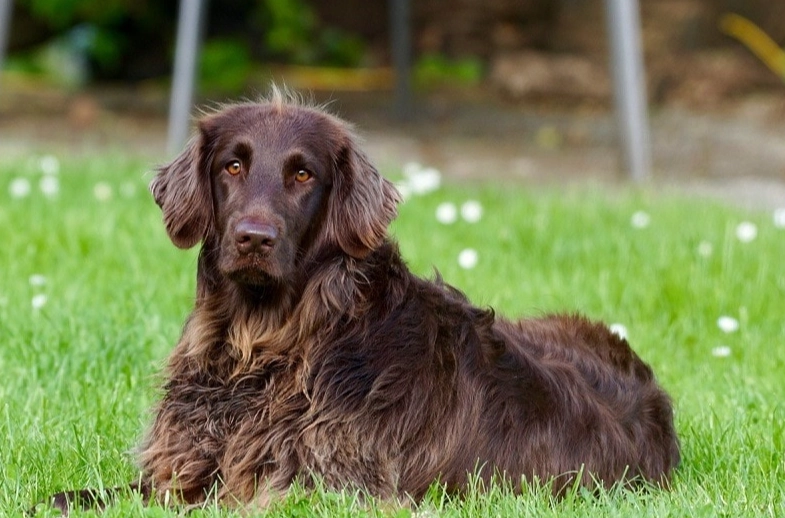
Your Quick Guide to Boykin Spaniel Colors
The Brown Spectrum: From Liver to Chocolate
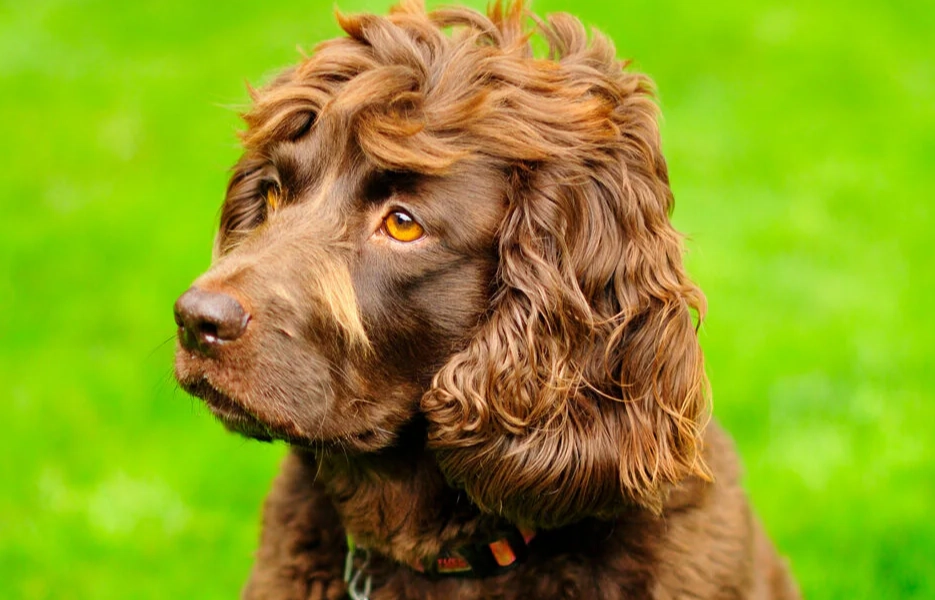
Calling a Boykin "brown" is like calling wine "red." It's technically correct but ignores the nuance. The official breed standard from the American Kennel Club (AKC) and the Boykin Spaniel Club describes the color as "solid liver, brown, or dark chocolate." This range allows for noticeable differences.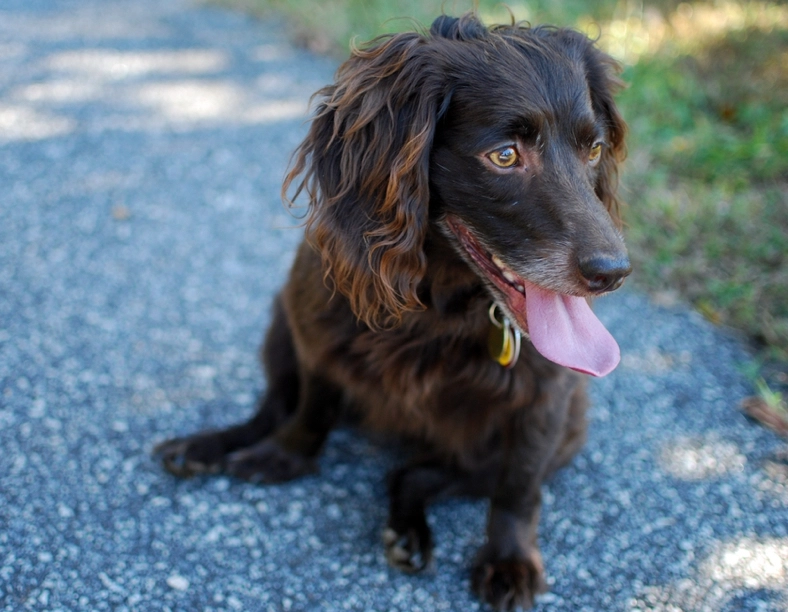
I've seen puppies from the same litter mature into distinctly different shades. Here’s a breakdown of what you’re actually looking at:
| Common Color Name | What It Actually Looks Like | Notes & Key Features |
|---|---|---|
| Rich Liver | A deep, reddish-brown. In sunlight, you might catch warm, almost coppery highlights. This is the most common shade you'll see in show rings. | Nose, eye rims, and paw pads are a dark liver color (a brownish-gray), not black. This is a key identifier. |
| Dark Chocolate | A cooler, darker brown. Think of dark chocolate bars. Less red, more deep, saturated brown. | Can appear almost black in low light, but in the sun, the brown is unmistakable. Puppies often darken to this shade. |
| Golden-Tinted Brown | A lighter brown base with golden or amber undertones, especially on the ears, cheeks, and legs. | Often mistaken for "fading" but is a natural variation. More common in dogs that spend a lot of time outdoors, as sun can lighten the coat. |
A common mistake new owners make is worrying when their puppy's coat changes. That fluffy, medium-brown puppy coat will shed out. The adult coat that comes in is usually darker, denser, and has a more defined wave or curl. Don't panic if your 6-month-old Boykin looks a bit scruffy and uneven in color—it's just the transition.
Are All Boykin Spaniels Brown?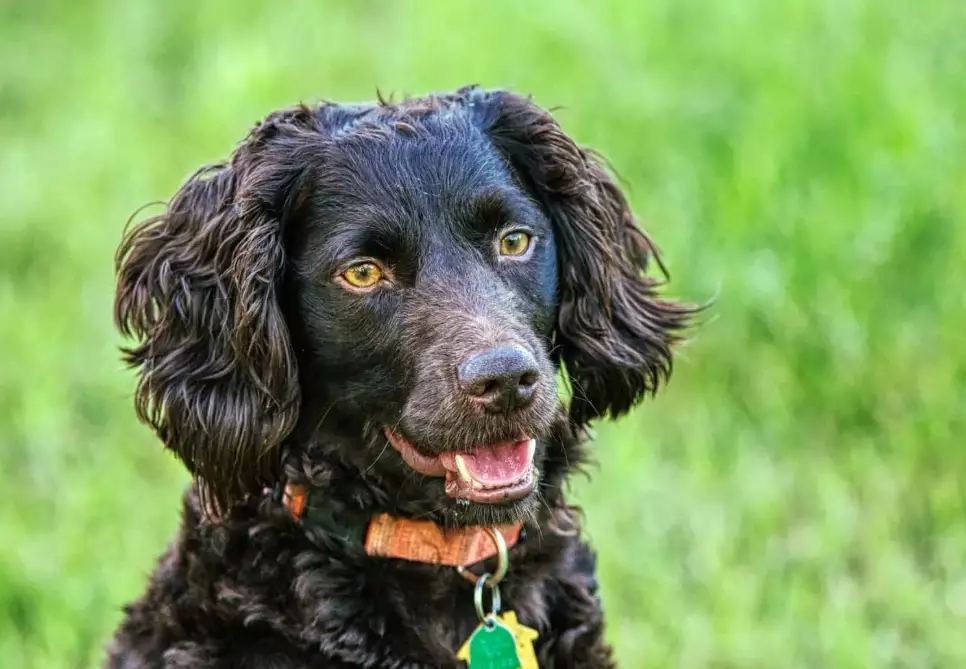
This is where it gets interesting. The solid color rule is strict for the show bench, but the gene pool sometimes throws a curveball. You might occasionally see:
- Small White Markings: A tiny white spot on the chest or toes. According to the breed standard, this is a fault. But let's be real—it doesn't affect the dog's hunting ability or personality one bit. I've known fantastic hunting dogs with a little "locket" on their chest. Breeders selectively avoid it, but it pops up.
- Ticked or Roan Patterns: Extremely rare and not breed-typical. This would suggest other spaniel ancestry somewhere in the lineage.
The takeaway? A purebred Boykin Spaniel will be a shade of solid brown 99.9% of the time. If someone is trying to sell you a "rare black" or "parti-colored" Boykin, be very skeptical. You're likely looking at a mixed breed or a breeder not following ethical practices.
Pro Tip: Judge color in natural, indirect sunlight. Indoor lighting (especially yellow-toned bulbs) can make a rich liver coat look muddy or a dark chocolate coat look black. Step outside to see the true hue.
How Do Boykin Spaniel Colors Develop?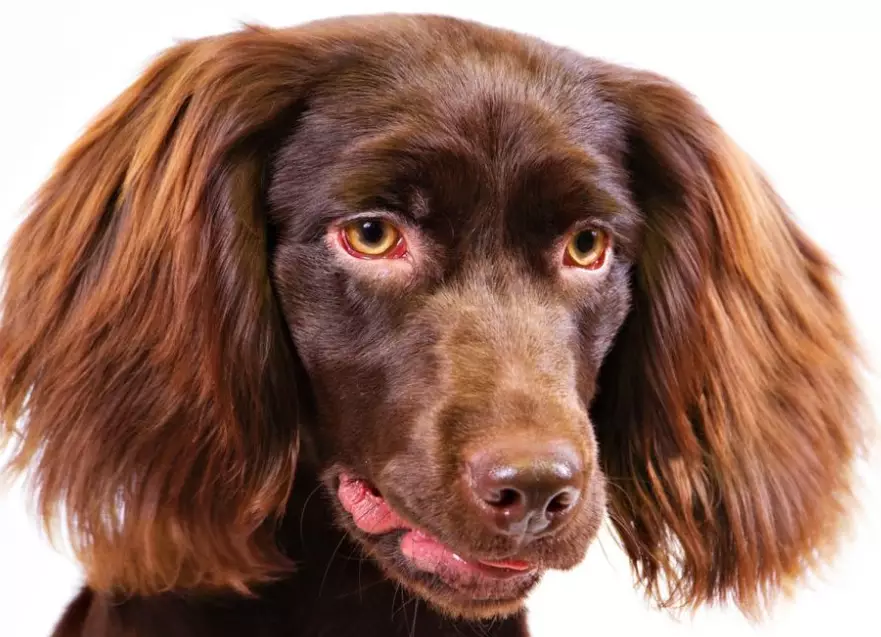
Boykin coat color is a classic example of simple Mendelian genetics. The dominant factor is the "B" locus (for Brown). Boykins are homozygous for the recessive "b" allele (bb). This means they cannot produce black pigment (eumelanin) in their coat, skin, or nose. Instead, they produce only brown/liver pigment.
Think of it like a factory that only has the ingredients to make chocolate, not black licorice. That's why their noses are liver, not black. The specific shade—liver vs. dark chocolate—is influenced by other modifier genes that control pigment density and distribution. These are less understood but explain the variation between dogs.
Here’s something most websites don't mention: diet can subtly influence coat color. A diet deficient in certain amino acids (like tyrosine) and minerals (copper is a big one) can cause a brown coat to become dull, dry, and take on a rusty or faded appearance. It's not changing the genetics, but it's certainly masking the dog's true, vibrant color. A shiny, healthy coat starts from the inside.
Grooming for Color and Health
Grooming a Boykin isn't about making them look pretty for a photo—it's essential maintenance for their working coat. A poorly maintained coat mats easily, traps dirt and moisture, and loses its natural water-resistant properties.
The routine is straightforward but non-negotiable:
- Brushing: 2-3 times a week with a slicker brush and an undercoat rake during shedding seasons (spring and fall). This removes dead hair, prevents mats, and distributes skin oils that give the coat its sheen.
- Bathing: Every 4-6 weeks, or after a particularly muddy adventure. Use a gentle, oatmeal-based or canine-specific shampoo. Human shampoo is too harsh and strips the coat's natural oils, leading to dryness and dullness. I made this mistake early on and ended up with a dog with an itchy, dandruffy coat for weeks.
- Post-Swim Care: Rinse with fresh water after swimming in a pool (chlorine) or saltwater. Both are brutal on the coat and skin, drying them out and causing that brittle, faded look.
A well-groomed Boykin's coat will be its richest, truest color. Dirt, dead hair, and dry skin literally obscure the color.
The Surprising Link Between Color and Health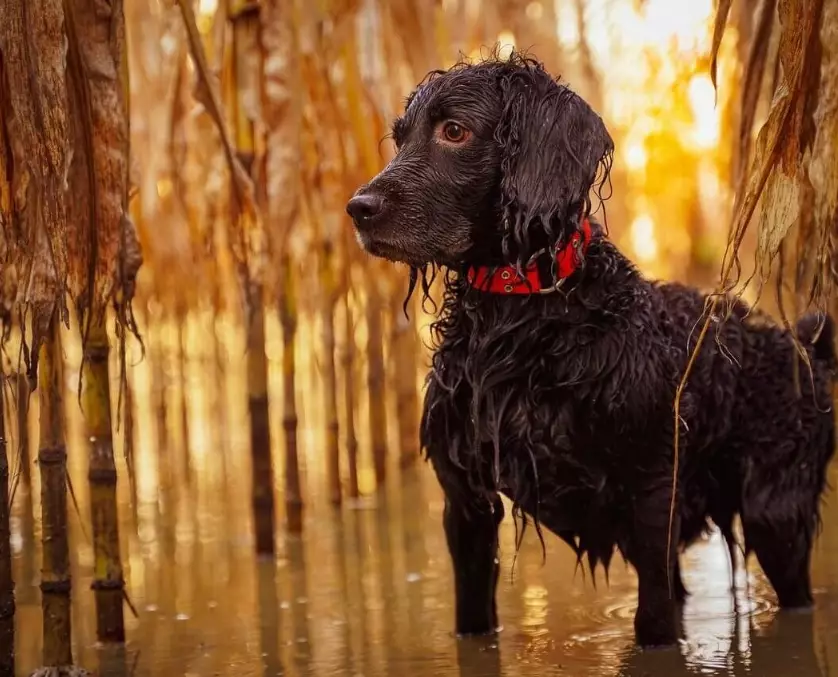
This is a critical section. While the brown color itself isn't linked to diseases, the genetic factors behind coat color can be. Responsible breeders test for these, and you should ask for proof.
- Color Dilution Alopecia (CDA): This is a big one. It's a genetic condition sometimes linked to diluted coat colors (like blues or fawns in other breeds). While extremely rare in solid, dark Boykins, it underscores why breeding for "rare" colors is dangerous. It causes hair loss and skin problems. Stick to the standard browns.
- The Nose as a Health Indicator: Your Boykin's liver-colored nose is a health barometer. It should be consistently dark and smooth. A nose that becomes pink, crusty, or loses pigment (a condition called "Dudley Nose") can indicate autoimmune issues, sun damage, or vitamin deficiencies. If your dog's nose changes texture or color, a vet visit is in order.
- Skin Visibility: Lighter golden-brown Boykins might have slightly more sun-sensitive skin. It's not a major issue, but something to be mindful of during long summer days. A dog-safe sunscreen for the nose and ear tips isn't a silly idea.
Your Color Questions Answered
Can a Boykin Spaniel's coat color change with age?
It can lighten or develop a weathered look, especially around the muzzle (going gray or white). This is normal aging, just like humans. Sun exposure over years can also lighten the overall coat, giving older, active dogs that classic "sun-bleached" look on their backs. A sudden, patchy color change or loss of pigment, however, warrants a vet check to rule out skin conditions or hormonal issues.
My Boykin puppy had a darker stripe down his back that faded. Is that normal?
Absolutely normal. Many Boykin puppies are born with a darker dorsal stripe or slightly uneven coloring. This is just the puppy coat doing its thing. As they shed that soft puppy fur and grow their adult, water-resistant coat between 6-12 months, the color usually evens out into a more uniform shade. Don't use puppy coat color as a guarantee of adult color.
 Does a darker coat mean a better hunting dog?
Not at all. This is a persistent myth with no basis in fact. Hunting ability is about drive, trainability, nose, and instinct—traits governed by completely different genes than those for coat color. I've seen champion hunters in every shade of brown. Choosing a pup based on the darkness of its coat is like choosing a car based on the darkness of its paint—it tells you nothing about the engine.
What's the best way to enhance my Boykin's natural coat color and shine?
Forget fancy coat sprays. Focus on fundamentals. A high-quality diet rich in animal protein and omega-3 fatty acids (from fish oil) builds healthy skin and a glossy coat from the inside out. Regular brushing stimulates oil production. And limit overwashing—you're washing away those natural oils that create shine. A final rinse with a bit of diluted apple cider vinegar (1 tbsp per quart of water) after a bath can help close the hair cuticle, adding incredible shine and highlighting the coat's natural depth of color.
Are liver-colored noses more prone to sunburn than black noses?
Yes, they have less protective melanin. While not a daily crisis, it's a good practice to be aware of during all-day summer outings or if you live in a high-altitude, sunny area. A pet-safe sunscreen or a dog visor for hikes can prevent painful burns and long-term damage. It's a small step that most owners overlook until it's a problem.
Understanding Boykin Spaniel colors is about appreciating the breed's beautiful consistency and the subtle natural variations within it. It’s not a palette of rainbows, but a deep, warm spectrum of browns that tells a story of genetics, care, and the dog's life outdoors. By focusing on the health and quality of the coat, you ensure your Boykin not only looks its best but is equipped for the adventures you'll share, whether that's in the duck blind or on the living room couch.
Reader Comments