Let's clear this up right from the start. A pure black Bullmastiff is not a standard color for the breed according to major kennel clubs like the American Kennel Club (AKC). If you're searching for one, you're likely looking at a dog with a very dark, near-black brindle or a fawn coat shaded with so much black overlay it appears solid from a distance. True, solid black is exceptionally rare and stems from specific recessive genes. This guide isn't about chasing a mythical pure black unicorn. It's for the owner or prospective owner of that stunning, dark-coated Bullmastiff that turns heads, covering everything from genetics and puppy care to the unique realities of living with a giant dog in a dark suit.
What's Inside?
The Genetics Behind the Black Bullmastiff Coat
You won't find "black" listed on the AKC Bullmastiff breed standard. Acceptable colors are red, fawn, or brindle. So, where does that intense, nearly black color come from? It's all in the genes, specifically the interaction of the K Locus (dominant black) and the A Locus (agouti).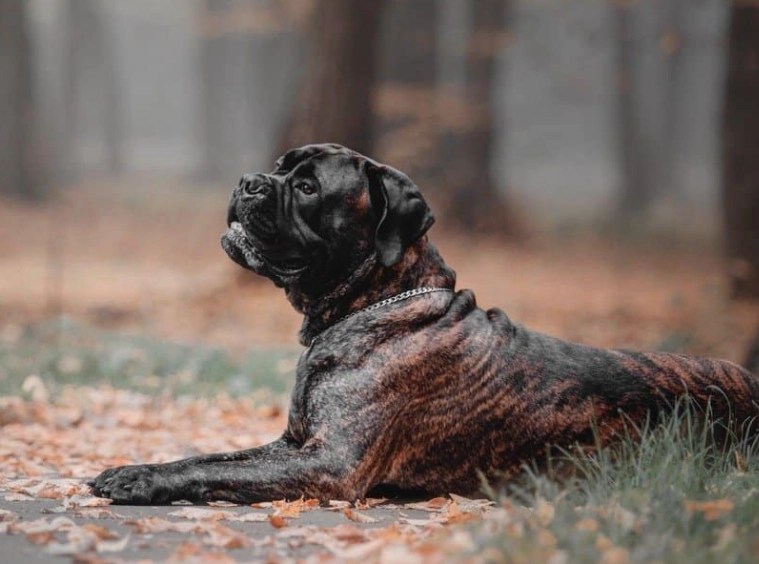
Most Bullmastiffs have a kyky genotype on the K Locus, which allows the A Locus to express fawn or brindle. A truly solid black coat would require a dominant KB allele, which is extremely uncommon in the breed pool. What you're usually seeing is a dark brindle.
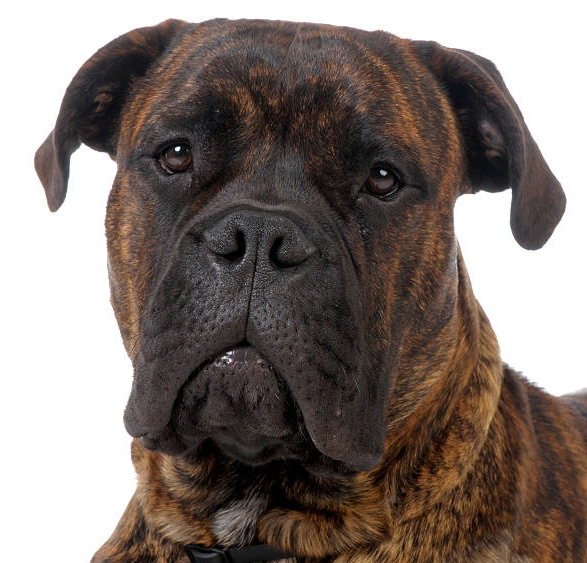
Brindle isn't a color itself, but a striping pattern. When a dog has a brindle gene and a dark base color (from the A Locus), the stripes can be so dense and black that they overwhelm the lighter base, creating a pseudo-black appearance. In certain lights, you might see faint reddish or tan stripes on the legs or chest.
Expert Aside: Many backyard breeders or puppy mills will advertise "rare black Bullmastiffs" at a premium price. Often, these are just very dark brindles. Sometimes, they might be mixed with other breeds like Mastiffs or Great Danes to introduce the black color, compromising the purebred temperament and health. Knowing the genetics protects your wallet and your future dog's well-being.
Understanding the K Locus
Think of the K Locus as a switch. KB (dominant black) turns all pigment to black. kbr allows brindling. ky lets the underlying A Locus color show through (fawn). The vast, vast majority of Bullmastiffs are kyky.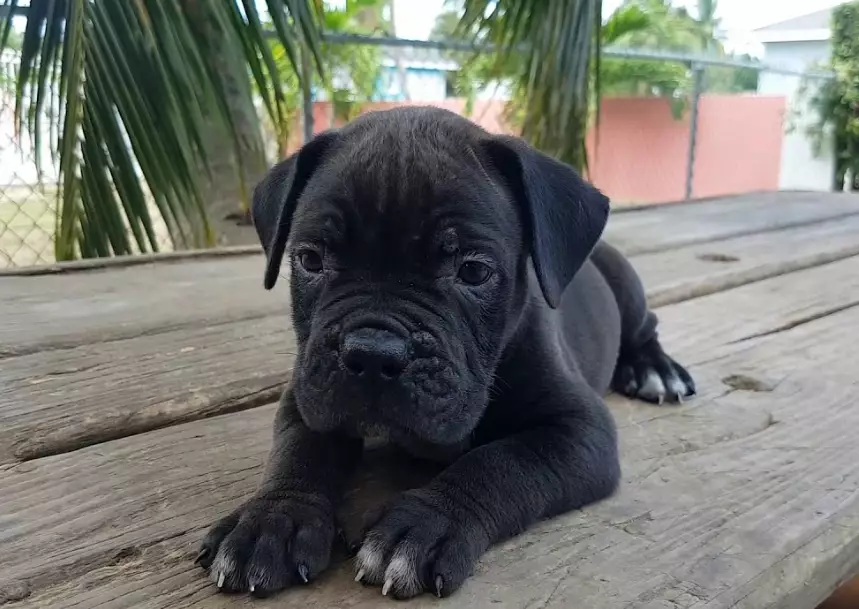
The Role of Other Genes
Sable (ay) or seal (as) genes on the A Locus can produce very dark-faced, dark-backed fawns that appear almost black in shadow. Add a heavy mask (from the E Locus), and you have a dog that looks strikingly dark.
| Genetic Combination | Likely Appearance | How Common in Bullmastiffs? |
|---|---|---|
| kyky + ayat (sable & tan points) | Fawn with black mask | Very Common |
| kyky + atat (tan points) + brindle (kbr) | Black-based brindle (appears near-black) | Common |
| KBky (Dominant Black carrier) | Solid Black (if present) | Extremely Rare / Non-Standard |
Black Bullmastiff Puppies: What to Expect
That little dark lump in the puppy pile will undergo changes. Dark brindle or heavily shaded fawn puppies are usually born very dark. As they grow, their coat may "clear," meaning some of the underlying lighter color might become more visible, especially on the sides and flanks. Don't be surprised if your "black" puppy develops more distinct brindle stripes or a reddish hue by six months.
Everything else about a dark-coated Bullmastiff puppy is standard for the breed: rapid growth, a mouthful of needle teeth, and a gentle but stubborn temperament that needs early, consistent training.
Socialization is non-negotiable. A large, dark-colored dog can be perceived as more intimidating by the public and, sadly, sometimes by other animals. Positive exposure to all sorts of people, sounds, and environments before 16 weeks is crucial to ensure your dog grows into a confident ambassador for the breed.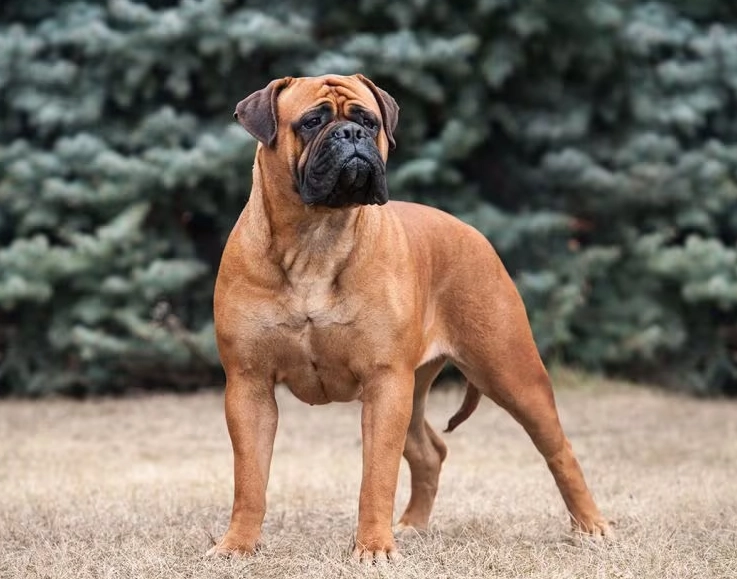
How to Groom and Care for Your Black Bullmastiff
Here's a truth many don't mention: a dark coat shows everything. Dust, pollen, and especially those tiny white Bullmastiff hairs (yes, they shed) will be glaringly obvious on a black sofa. The coat itself is low-maintenance—a weekly brush with a rubber curry hound glove or a slicker brush is perfect. But you'll be reaching for the lint roller more often.
- Bathing: Bathe only when necessary (every 2-3 months or if they roll in something foul). Use a gentle, dog-specific shampoo to avoid stripping natural oils. A conditioner can help keep the coat shiny, making that deep black or brindle really pop.
- The Wrinkle Care: This is critical, color-independent maintenance. Those facial wrinkles trap moisture, food, and dirt. Wipe them out daily with a soft, damp cloth and dry thoroughly. I use a chlorhexidine wipe once a week for my dog to prevent yeast infections. Neglect this, and you'll get a smelly, irritated dog fast.
- Sun Exposure: This is a big one. Dark coats absorb more heat. In summer, your black Bullmastiff is at a higher risk of overheating. Always provide shade and fresh water on walks. Consider walking in the early morning or evening. I've seen a dark brindle friend of mine panting after just 10 minutes in mild sun, while my fawn dog was fine.
Health Considerations: Does Color Matter?
For the most part, a dark coat doesn't directly cause health issues. Bullmastiffs, regardless of color, are prone to certain conditions: hip/elbow dysplasia, bloat (GDV), certain cancers, and heart issues. Responsible breeding for health is far more important than color.
However, there is a slight indirect link. The genes for extreme pigment (like a heavy black mask) are sometimes loosely associated with a higher likelihood of certain skin conditions or allergies. More practically, as mentioned, the heat absorption of a dark coat requires extra vigilance against heatstroke.
Your priority should be health testing. Any breeder you consider should provide Orthopedic Foundation for Animals (OFA) or PennHIP certifications for hips and elbows, a cardiac exam, and proof of thyroid testing. If they're talking more about "rare color" than health clearances, walk away.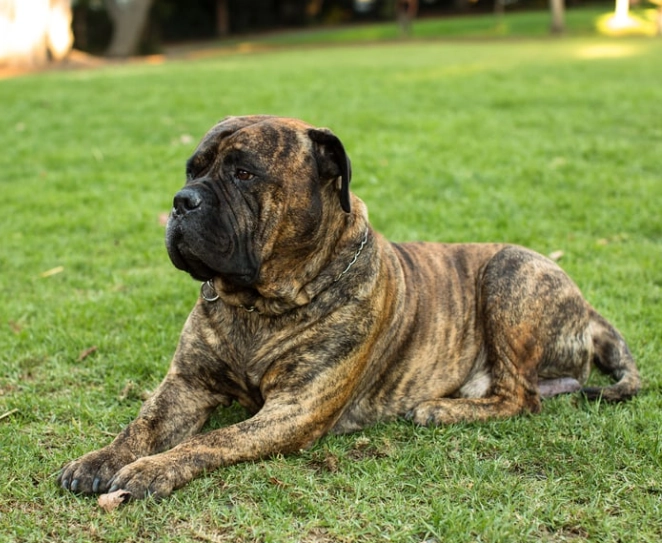
How to Find a Reputable Black Bullmastiff Breeder
This is the most important section. Finding a well-bred, dark-coated Bullmastiff requires patience and a focus on health over hue.
Avoid: Any website or advertisement that leads with "RARE BLACK BULLMASTIFF PUPPIES FOR SALE!!!" This is a giant red flag. Reputable breeders breed to improve the breed, not to produce novelty colors.
Seek Out: Breeders who are active in dog shows, performance events, or are members of the Bullmastiff Club of America or other national clubs. They will have litters that conform to the breed standard, which includes fawn and brindle. Within a brindle litter, you may find puppies with exceptionally dark, stunning coats.
Contact these breeders. Be honest. Say you are drawn to the darkest possible brindle or shaded fawn within a responsibly bred litter. A good breeder will understand an aesthetic preference if it's secondary to health and temperament. They will interview you extensively, have you visit, and show you the health testing of the parents. They will have a contract requiring you to spay/neuter and return the dog to them if you can't keep it.
Be prepared to wait. It might take a year or more for the right puppy from the right litter.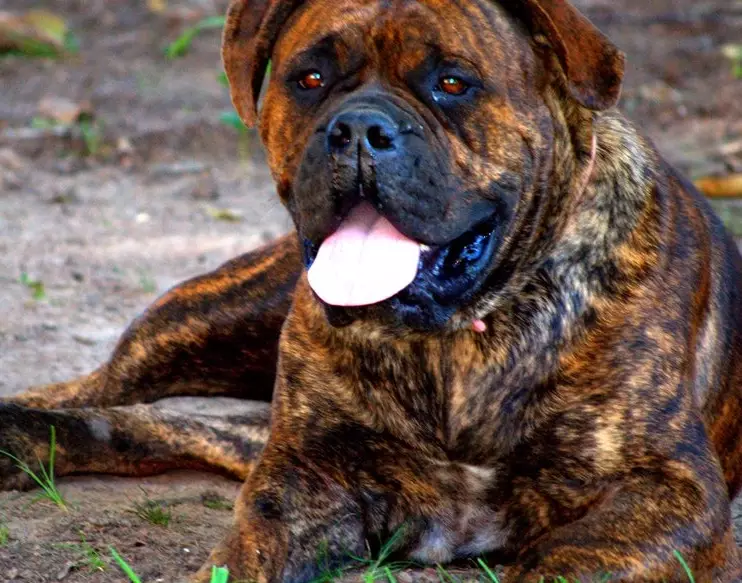
Reader Comments