Let's be honest. You're not looking at a Canaan Dog puppy because you want an easy, cuddly lapdog. You're intrigued by something different. That alert expression, the desert heritage, the reputation for intelligence and independence. I've worked with this breed for over a decade, and I can tell you upfront: a Canaan puppy is a project. A fascinating, rewarding project, but one that will challenge your preconceptions about dog ownership. This isn't a Labrador in a Spitz coat. Forget everything you think you know about raising a puppy. This guide will walk you through the reality, from that first curious sniff to building a partnership with a truly primitive canine mind.
What's Inside This Guide
Understanding the Canaan Dog Puppy Mindset
You need to get this right from the start. A Canaan puppy is wired differently. Developed as a pariah dog in the Middle East, survival was their main job for centuries. This isn't a flaw; it's their core programming.
That cute puppy is already a strategic thinker. They observe first, act later. While a Golden Retriever pup might barrel towards a new person, a Canaan pup will hang back, assess, and decide if engagement is worthwhile. Many owners mistake this for shyness or aloofness. It's not. It's calculation. This trait makes early socialization critically important, but the approach must be respectful, not forceful.
Their intelligence is problem-solving intelligence. I've seen a 12-week-old Canaan puppy figure out how to unlatch a baby gate by watching a human do it once. They're not necessarily eager to please you; they're eager to solve the puzzle for their own benefit. This changes the entire dynamic of training.
The Big Misconception: People often call them "stubborn." That's a human-centric view. A Canaan isn't being defiant for the sake of it. They are weighing your request against their own assessment of the situation. Is your "come" command more compelling than that intriguing squirrel scent? Often, the scent wins. Your job is to make yourself the more interesting option, not to demand obedience.
Is a Canaan Dog Puppy Right for Your Home?
This is the most important section. Getting a Canaan puppy because they look unique is a recipe for a bad match. Let's break down the ideal and the problematic scenarios.
| Ideal Canaan Puppy Home | Challenging Fit for a Canaan Puppy |
|---|---|
| Experienced Dog Owners: People familiar with independent breeds (Shiba Inu, Basenji, livestock guardians). | First-Time Dog Owners: The learning curve is steep. You'll be learning canine psychology, not just basic commands. |
| Active, Not Hyper: Owners who enjoy long hikes, scent games, and mental puzzles, but don't need a marathon-running buddy. | Sedentary Households: A bored Canaan is a destructive Canaan. They need daily mental and physical engagement. |
| Secure, Fenced Property: A MUST. Their prey drive and independence make recall unreliable in open, unfenced areas. | Apartments with No Yard Access: Possible with extreme dedication to daily outings, but not ideal. Their alert barking can be an issue with shared walls. |
| Patient Trainers: Those who see training as a lifelong conversation and partnership, not a quick obedience course. | Families with Very Young Children: Canaan Dogs can be wonderful with kids they are raised with, but they have low tolerance for clumsy handling or tail pulling. Supervision is non-negotiable. |
| Single-Pet or Same-Sex Households: They often do best as the only dog or with one opposite-sex, easygoing canine companion. Small pets (cats, rabbits) may be seen as prey. | Multi-Dog Homes with Established Packs: Introducing a Canaan puppy can trigger strong territorial behaviors. It requires expert-level management. |
I once consulted with a family who loved the breed's look but had a hectic household with three young kids, a cat, and a busy social calendar. The puppy became increasingly withdrawn and reactive. We had to make the tough call to rehome him to a quieter, more predictable environment where he blossomed. Matching the dog's nature to your lifestyle is an act of kindness.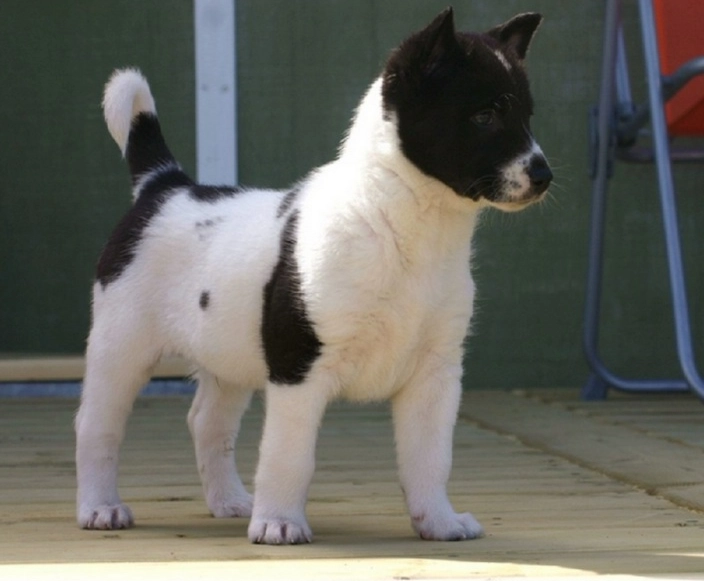
Training & Socialization: The Non-Negotiable Foundation
Here's where most people hit a wall with their Canaan Dog puppy. Traditional, reward-heavy puppy classes can fail miserably. The pup might take the treat and walk away, disinterested in the "game."
How to Socialize a Canaan Puppy (The Right Way)
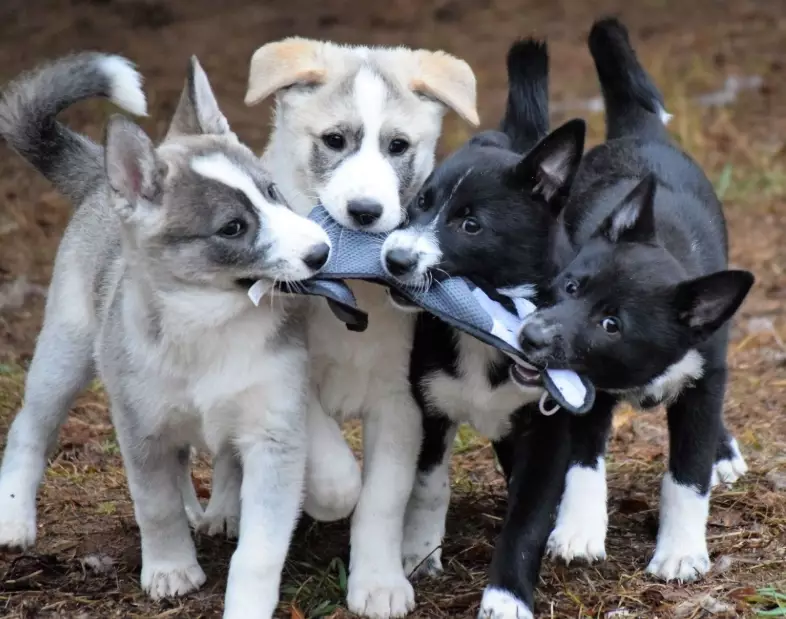
Flooding them with experiences is a terrible idea. Quality over quantity. Two positive, calm encounters are worth twenty rushed, overwhelming ones.
- Week 8-12: Focus on home sounds, different floor surfaces, gentle handling of paws, ears, and mouth. Let them observe the world from a safe distance (like a parked car or your arms).
- Week 12-16: Introduce calm, dog-savvy people one at a time. No hugging, no leaning over. Let the puppy initiate contact. Same with stable, vaccinated adult dogs.
- The Big Mistake: Taking them to a busy farmer's market or dog park during this period. The sensory overload can create permanent fear or reactivity. I see this constantly.
Canaan Dog Puppy Training Philosophy
Forget "lure and reward" as your only tool. You need to become a trusted leader and partner.
Motivation is Key: Find what they value. For some, it's food (high-value like chicken or liver). For others, it's access to a favorite toy, a sniffing opportunity, or even your enthusiastic praise. You have to experiment.
Keep it Short & Win-Win: Five-minute training sessions, several times a day. End on a success. If you're getting frustrated, stop. They sense your energy.
Priority Commands: 1. Recall (Come): This is your lifeline. Practice in low-distraction areas with amazing rewards. Never, ever call them to you for something negative (like a bath or nail trim). Call them for dinner, for play, for a surprise treat. 2. Leave It/Drop It: Manages prey drive and keeps them safe. Essential. 3. Mat/Place Command: Teaches an off-switch and gives them a job (staying on their mat). This is gold for managing excitement or guests.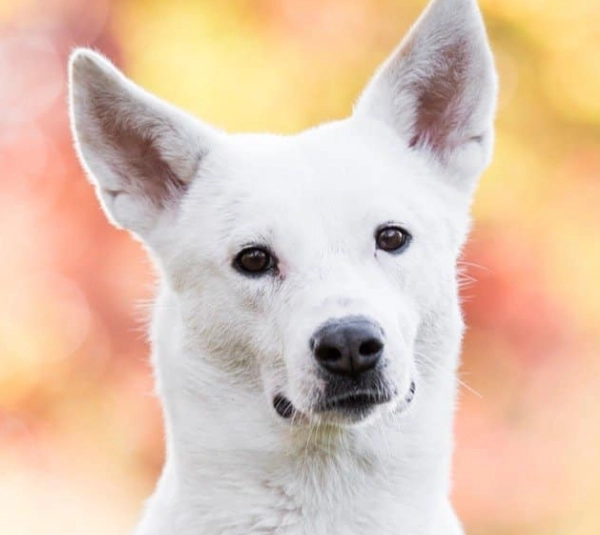
A Hard Truth: Off-leash reliability in an open area is a rare achievement with this breed, even with perfect training. Their genetic wiring to patrol and chase is too strong. A long-line (30-50 ft leash) is your best friend for safe freedom.
Health, Diet & Grooming: A Practical Care Routine
Fortunately, the Canaan Dog puppy is generally a robust, healthy specimen. They are a natural breed with a deep gene pool, but you still need a vigilant owner.
Common Health Considerations
Reputable breeders test for hip dysplasia (OFA/PennHIP) and certain eye conditions. Ask to see the results for both parents. Hypothyroidism can occur later in life. The biggest health risk for a puppy? Bloat (GDV). Feed two or three smaller meals a day, not one large one, and enforce rest before and after eating.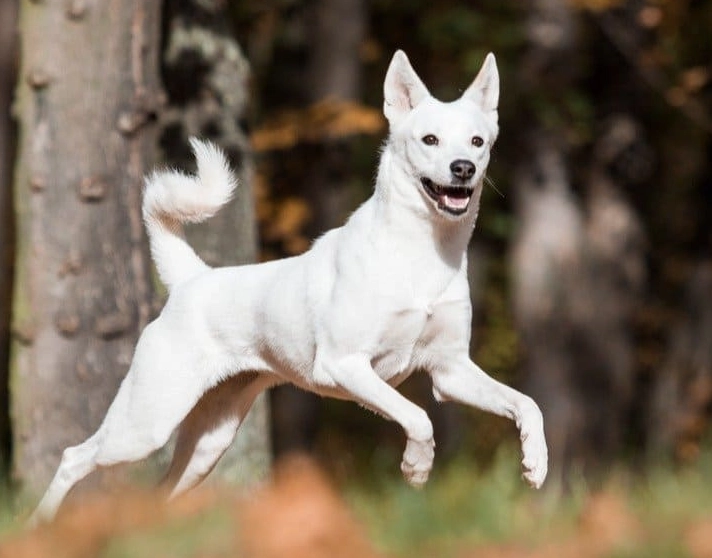
Feeding Your Growing Canaan
They don't need fancy, ultra-high-protein diets. A high-quality, balanced puppy food for medium-sized breeds is perfect. Watch their weight. A lean Canaan is a healthy Canaan. You should be able to easily feel their ribs. That plump puppy look is cute but not ideal for their joints.
Grooming: Simpler Than You Think
That double coat is weather-resistant. Weekly brushing with an undercoat rake and slicker brush is plenty. They "blow" their undercoat heavily twice a year—be prepared for clouds of fur. Baths are rarely needed. Nail trimming and dental care are the non-negotiable weekly tasks. Start handling their paws and opening their mouth as a puppy to make this routine.
Finding & Bringing Your Canaan Puppy Home
This is where patience pays off. There are no Canaan Dog puppies at the mall pet store.
Reputable Breeder vs. Rescue: Your main options. The Canadian Kennel Club (CKC) or the American Kennel Club (AKC) breeder referrals are a start, but dig deeper. The parent club, the Canaan Dog Club of America (CDCA), is an essential resource. A good breeder will interview you as thoroughly as you interview them. They will have health clearances, raise puppies in their home, and offer lifelong support. Expect to be on a waiting list. Price typically ranges from $1,800 to $3,000 USD.
Rescues like Canaan Dog Rescue occasionally have puppies or young adults. This can be a wonderful option, but be prepared for potential unknown history.
Puppy-Proofing Your Home: Think like a survivalist. Secure trash cans, hide electrical cords, remove toxic plants (lilies, sago palm), and block off unsafe areas. They are clever escape artists, so check your fence for gaps and weak spots.
The First 72 Hours: Keep it calm. No parties, no overwhelming visits. Let them explore their new crate and designated space. Establish a potty routine immediately—out after sleeping, eating, and playing. Consistency builds security.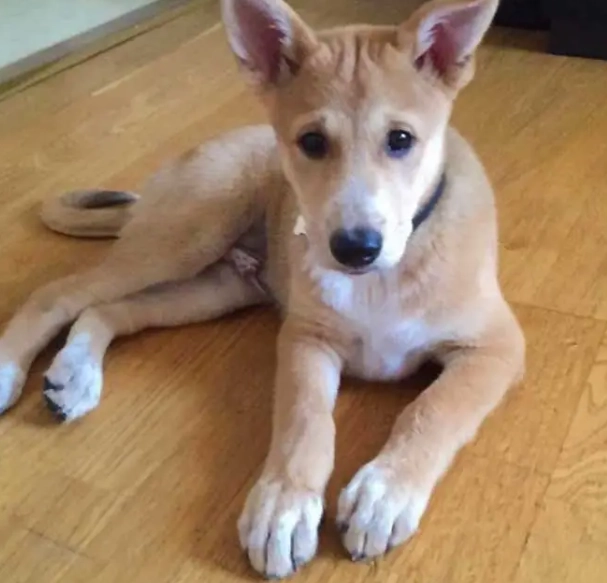
Your Canaan Dog Puppy Questions Answered
Can a Canaan Dog puppy live happily with a cat?
It's a high-risk introduction. If the puppy is raised with a confident, dog-savvy cat from 8 weeks old, there's a chance. The cat must have safe, high escape routes. Never leave them unsupervised. Introducing a Canaan puppy to an existing cat is much harder, as the puppy's prey drive will likely see a running cat as a target. Success depends entirely on the individual animals and meticulous management.
My Canaan puppy doesn't seem food-motivated. How do I train him?
This is common. First, ensure you're not overfeeding. Try training before a meal. If food still fails, switch currencies. Does he love a specific squeaky toy? Use that as the reward for a successful "sit." Is he obsessed with sniffing? Reward a good recall with the chance to go explore a new bush (on a long line). For some, verbal praise and a game of chase with you is the highest reward. You have to become a detective of what your specific puppy values.
Are Canaan Dog puppies good for active families who go camping and hiking?
They can be excellent adventure companions, but with major caveats. They thrive on the mental stimulation of new scents and environments. However, their strong recall instinct means they should be on a long-line or in a securely fenced camping area. Their alertness also means they may bark at night sounds, which isn't ideal for quiet campgrounds. Start with short, positive outings to build their experience.
How do I stop my Canaan puppy from barking at every little sound?
You don't stop it; you manage and redirect it. Barking is their job—to alert. Punishing it creates anxiety. Instead, acknowledge the alert ("Thank you, I hear it"), then redirect to an incompatible behavior like going to their "place" mat for a treat. Manage the environment by using white noise or closing blinds to reduce triggers. Providing enough daily mental exercise also lowers their overall alertness threshold.
What's the biggest surprise new Canaan puppy owners report?
The lack of overt, slobbery affection. They don't typically shower you with kisses or demand constant petting. Their affection is subtler: a quiet lean against your leg, sleeping in the same room (but not necessarily on you), a soft gaze. They show love through loyalty and presence, not constant physical touch. If you need a velcro dog, this isn't your breed. Appreciating their unique form of connection is key to happiness.
Reader Comments