Your Buhund Weight Guide
- Norwegian Buhund Puppy Weight: The Growth Journey
- What Determines a Buhund's Final Weight?
- Is My Buhund Overweight? The Hands-On Test
- Health Risks of an Incorrect Norwegian Buhund Weight
- Managing Your Buhund's Weight: Practical Tips
- Common Questions About Norwegian Buhund Weight
- Final Thoughts: It's a Partnership
So you're curious about Norwegian Buhund weight. Maybe you're thinking of getting one, or you've just brought a fluffy bundle of energy home and you're wondering if he's growing right. I remember when I first got my Buhund, Loki. I was constantly checking charts online, worried he was too skinny or maybe getting a bit too... robust. It's a common worry for any dog owner, but especially for those of us with a breed that's not as common as a Labrador.
Let's cut to the chase. The typical Norwegian Buhund weight range for a healthy adult is between 26 to 40 pounds (12 to 18 kg). But that's just the headline number. What does it really mean? Is your dog on track? Why is there such a range? A male Buhund at the top end of that scale can look quite different from a female at the lower end. It's not just about the number on the scale—it's about what's healthy for your specific dog.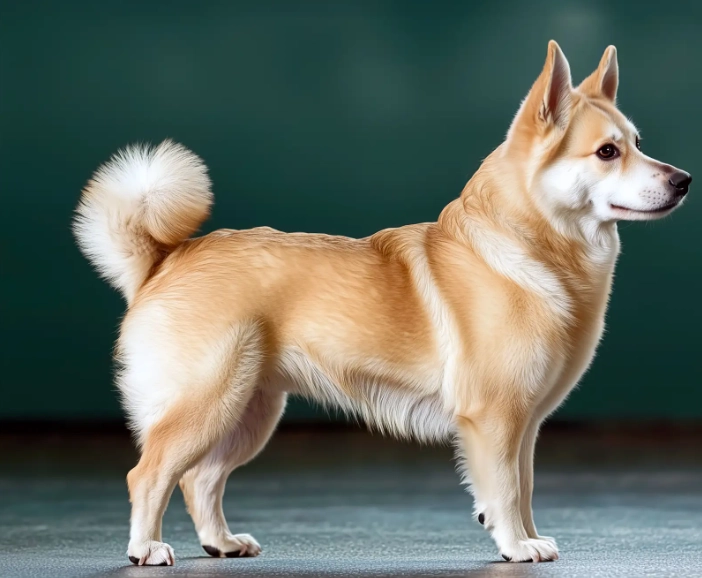
This guide is going to dig into everything weight-related for your Buhund. We'll look at puppy growth, what affects their final size, how to tell if they're at a healthy weight, and what to do if they're not. I'll share some of the mistakes I made with Loki (yes, I over-treated him for a bit) and what I learned from talking to breeders and vets.
Norwegian Buhund Puppy Weight: The Growth Journey
Puppy growth isn't a straight line. It's more of a sprint followed by a steady jog. Those first few months, the changes are dramatic. One week they're a tiny fluffball you can hold in one hand, the next they're all legs and mischief.
You can't just take the adult Norwegian Buhund weight and divide it by 12 months. It doesn't work like that. Their growth is rapid initially and then slows down as they approach adulthood around 12-15 months. Here's a rough breakdown of what you might expect. Remember, this is a guideline. Your pup might be a week ahead or behind, and that's usually okay. Genetics play a huge role.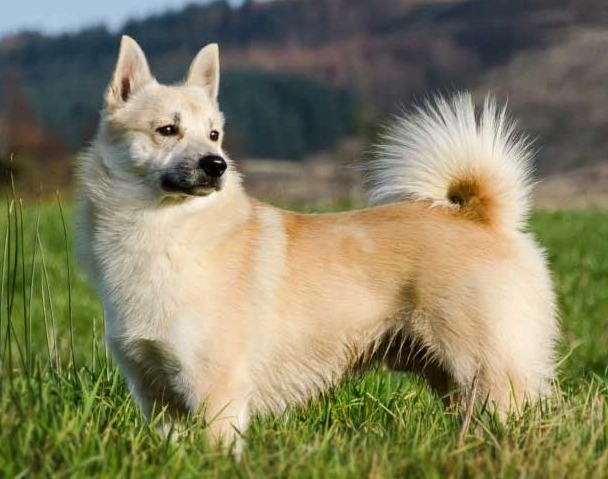
| Age | Estimated Weight Range (Male) | Estimated Weight Range (Female) | Key Developmental Stage |
|---|---|---|---|
| 8 Weeks | 6 - 9 lbs (2.7 - 4 kg) | 5 - 8 lbs (2.3 - 3.6 kg) | Ready to go home. All fluff and play. |
| 3 Months | 10 - 15 lbs (4.5 - 6.8 kg) | 9 - 13 lbs (4 - 5.9 kg) | Teething begins, rapid bone growth. |
| 6 Months | 20 - 28 lbs (9 - 12.7 kg) | 18 - 24 lbs (8.2 - 11 kg) | Reaching about 75% of adult height. Lanky teenager phase. |
| 9 Months | 24 - 34 lbs (11 - 15.4 kg) | 22 - 30 lbs (10 - 13.6 kg) | Filling out, muscle development increases with activity. |
| 12 Months | 26 - 37 lbs (12 - 17 kg) | 24 - 33 lbs (11 - 15 kg) | Near adult weight, but may still add minor muscle until 18 months. |
| Adult (15+ Months) | 31 - 40 lbs (14 - 18 kg) | 26 - 35 lbs (12 - 16 kg) | Fully mature. Weight should now be maintained, not increased. |
See that range at 6 months? It's wide. Loki was smack in the middle. But my friend's Buhund, Freya, was at the lower end. Both turned out perfectly healthy adults. The vet said the most important thing was that the growth curve was steady, not necessarily hitting a specific number each month.
What Determines a Buhund's Final Weight?
Why will one Buhund top out at 31 pounds and another at 39? It's not random. Several factors lock in that final Norwegian Buhund weight.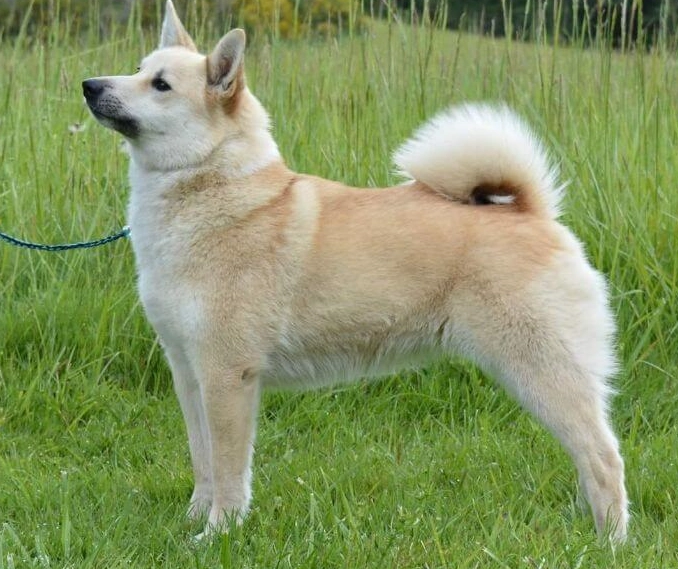
Genetics (The Blueprint)
This is the big one. The size of the sire and dam is the strongest predictor. If both parents are on the larger, stockier side of the standard, the pups likely will be too. A responsible breeder should be able to give you a good idea of what to expect. It's not just about the parents, though—grandparents and the broader bloodline matter. Some lines are simply bred to be a bit more substantial.
Sex (Males vs. Females)
As with most dog breeds, male Norwegian Buhunds are typically, but not always, heavier and slightly taller than females. The difference isn't massive, but it's consistent. That 26-40 lb range encompasses both sexes, with males generally occupying the upper half and females the lower.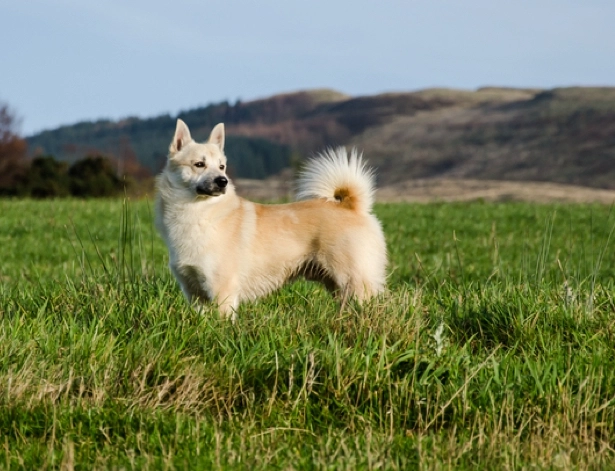
Neutering/Spaying
This is a topic with some debate. The procedure itself doesn't magically make a dog fat, but it can cause a metabolic shift. The removal of sex hormones can slightly reduce calorie requirements and sometimes increase appetite. Many vets note that spayed/neutered pets are more prone to weight gain if their diet and exercise aren't adjusted accordingly. For Loki, we noticed he was less "driven" after neutering but just as food-motivated. We had to be more mindful of treats.
Diet and Nutrition
You are what you eat, and so is your dog. A high-quality diet appropriate for their life stage (puppy, adult, senior) provides the building blocks for healthy growth and maintenance. A diet too high in fillers and carbs can lead to a dog that's the right weight but with poor body composition—more fat, less muscle. Conversely, an underfed dog won't reach its genetic potential for healthy muscle mass.
But here's a personal opinion: I think the pet food industry has made this overly complicated. The best diet is one that keeps your individual dog healthy, energized, and at a lean weight. For some, that's a premium kibble; for others, it might involve fresh toppers or a different protein source. Talk to your vet, but also learn to read your dog's body.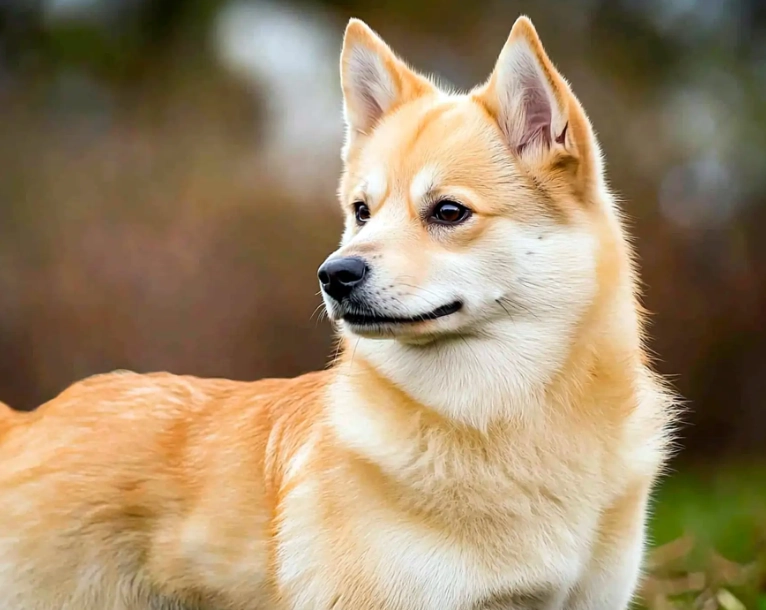
Activity Level
A Norwegian Buhund is a herding dog. They are not couch potatoes by design. A Buhund that gets regular, vigorous exercise—long walks, hikes, herding trials, agility—will develop a denser, more muscular physique. This can mean a higher Norwegian Buhund weight that is perfectly healthy because it's muscle, not fat. A more sedentary Buhund might weigh less on the scale but have a higher body fat percentage, which is less ideal.
Is My Buhund Overweight? The Hands-On Test
Forget the scale for a minute. The number is useful for tracking trends, but it's a terrible judge of health on its own. Two Buhunds can both weigh 35 pounds, and one can be obese while the other is ripped. You need to use your eyes and hands.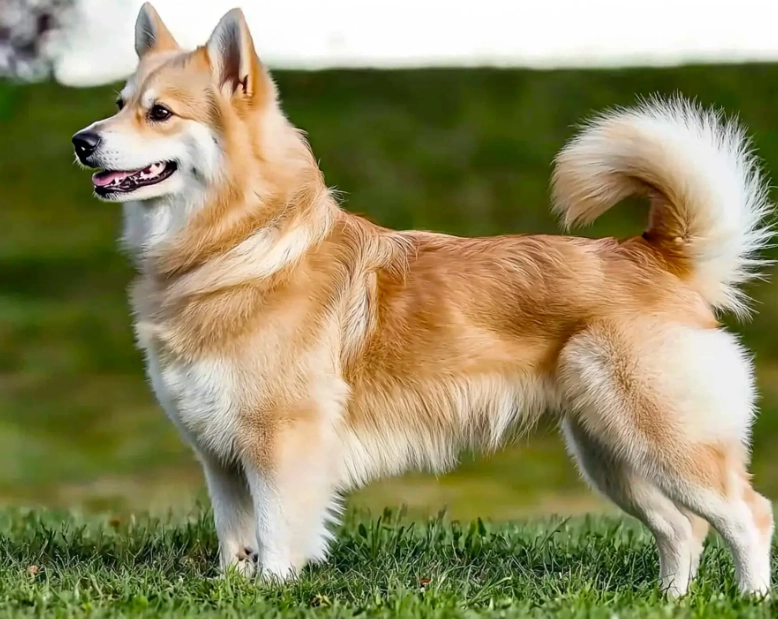
Here’s what a vet or a good breeder will do (and you should too):
- The Rib Test: Run your hands along your dog's side. You should be able to easily feel individual ribs with a very thin layer of fat over them. You shouldn't see the ribs prominently (that's underweight), but if you have to press hard to find them, there's too much padding.
- The Waist Check: Look at your dog from above. You should see a clear waist behind the ribs—an inward curve. From the side, the abdomen should tuck up from the bottom of the ribcage towards the hind legs. A straight, barrel-shaped profile from above or a sagging belly from the side is a red flag.
- The Base of the Tail: Feel the area where the tail meets the body. It should be smooth, with bones just under the surface. If it feels soft, rounded, or fatty, that's often one of the first places excess weight collects.
Be honest with yourself. It's easy to go blind to a gradual weight gain.
I failed this test once. Loki got a bit chunky after a winter of less walking and more indoor training with high-value treats. I didn't notice until my breeder saw him and said, "He's looking... solid." A gentle nudge. I got defensive for a second, then looked at him objectively. Yep. He was solid. We cut back on the cheese treats and upped our morning walk by 15 minutes. The extra few pounds came off in a couple of months.
Health Risks of an Incorrect Norwegian Buhund Weight
This isn't about aesthetics. It's about health and longevity. Carrying extra weight is a stressor on a dog's entire system.
- Joint Stress & Arthritis: Every extra pound is like four pounds of pressure on the joints. For an active breed prone to enjoying agility and running, this can accelerate wear and tear, leading to pain and arthritis earlier in life. The American Veterinary Medical Association (AVMA) consistently highlights obesity as a major risk factor for osteoarthritis.
- Reduced Stamina and Heat Intolerance: A fat dog overheats more easily and gets tired faster. It robs them of the joy of being a dog—running, playing, exploring.
- Increased Risk of Disease: Studies link canine obesity to a higher incidence of diabetes, respiratory problems, and certain cancers. It can also complicate surgeries and recovery.
- Underweight Dangers: On the flip side, a chronically underweight Buhund may lack essential energy reserves, have a weaker immune system, and if the cause is an underlying issue like parasites or malabsorption, that needs immediate veterinary attention.
The goal is the healthy Norwegian Buhund weight for *your* dog, not the lowest number possible.
Managing Your Buhund's Weight: Practical Tips
Okay, so you've assessed your dog and maybe you need to make a change. How do you actually manage a Norwegian Buhund's weight? It's simple in theory (calories in, calories out) but trickier in practice with a clever, food-obsessed spitz dog staring you down.
Feeding for a Healthy Weight
First, ditch the "cup." The measuring cup that comes with your dog food is notoriously inaccurate. Get a proper kitchen scale and weigh your dog's food in grams. It's the only way to be precise. The feeding guidelines on the bag are a starting point for an average dog of that weight. Your Buhund might need 10-20% less if he's less active, or more if he's a canine athlete.
Feed a measured amount twice a day rather than leaving food out all day. This gives you control and makes it easier to spot a loss of appetite, which can be an early illness sign.
The Treat Trap
This was my downfall. Training treats, dental chews, a bit of your sandwich crust... it all adds up. A single medium-sized milk bone biscuit can be 5% of a 30-pound dog's daily calorie needs. Norwegian Buhund weight management often fails here.
Solutions? Use smaller treats. Break treats into tiny pieces. Use a portion of their daily kibble for training. Incorporate low-calorie options like small pieces of carrot, green bean, or apple (no seeds). And just say no to those pleading eyes sometimes. They're masters of manipulation.
Exercise is Non-Negotiable
A bored Buhund is a destructive Buhund. An under-exercised Buhund is a candidate for weight gain. These dogs were bred to work all day. Aim for at least 60-90 minutes of activity daily. This doesn't have to be a single marathon walk. It can be a morning walk, a midday play session of fetch, and an evening training session. Mental exercise (puzzle toys, training new tricks) is just as tiring and can be done indoors.
Common Questions About Norwegian Buhund Weight
Trust your gut, but verify with a professional.
Final Thoughts: It's a Partnership
Managing your Norwegian Buhund's weight isn't a one-time task. It's an ongoing part of responsible ownership. It's about paying attention. Weigh them regularly (every month or two), do the hands-on check weekly, and adjust as their life changes—less activity in winter, more in summer, getting older, recovering from an injury.
The ideal Norwegian Buhund weight is the one where your dog is vibrant, energetic, and able to live its best, most active life for as many years as possible. It's not a number to fear, but a sign of health to nurture.
When Loki is at his right weight, he's a different dog. More spring in his step, quicker to jump up for a hike, and he just *looks* right—powerful and agile, not heavy or frail. It's worth the effort of weighing his food and sometimes ignoring the dramatic sighs when the treat jar stays closed. That's the partnership. You provide the structure, and they provide a lifetime of joyful, healthy companionship.
Reader Comments