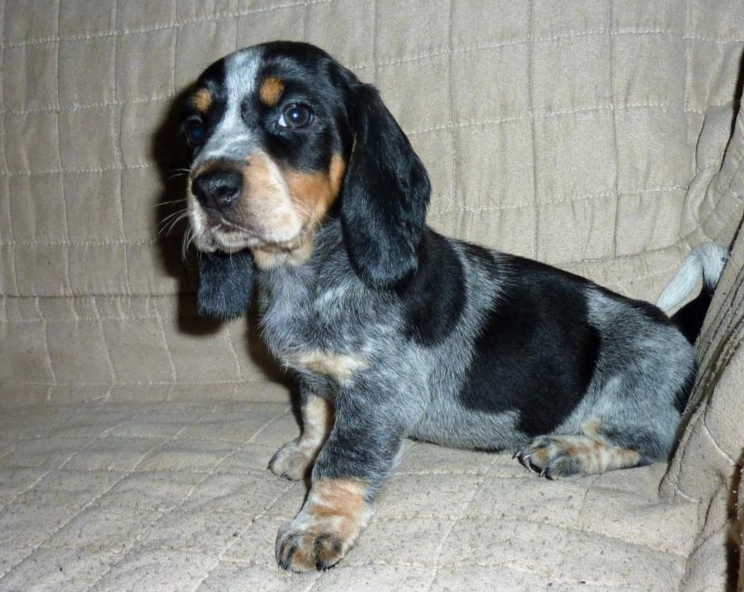
You're looking at those soulful eyes and long, velvety ears, and a question pops into your head: how many years will I get to share with this wonderful hound? The Basset Bleu de Gascogne, a rare and charming scent hound from France, typically lives between 10 to 14 years. That's the straightforward answer. But that number is just the starting point. What really matters is understanding the quality of those years and what you, as an owner, can do to influence them. I've seen too many owners fixate on the "average lifespan" without grasping the daily decisions that truly shape it. This isn't just about genetics; it's about proactive care, recognizing subtle health signs early, and avoiding common pitfalls that can shorten a Bleu's time with you. That 10-14 year range is a good benchmark, but it's not a guarantee for every dog. Think of it like this: some Bleus, with excellent care and a bit of genetic luck, might push towards 15. Others, facing significant health battles, might fall short of a decade. The key factors that tip the scales are largely within your control: weight management, joint care, and preventative veterinary medicine. One mistake I see repeatedly is owners underestimating the impact of even mild obesity on this breed's frame. An extra five pounds on a Basset Bleu isn't like five pounds on a Labrador. That weight is carried on relatively short, curved legs and a long spine, multiplying the stress on joints and discs. Keeping your hound lean isn't about aesthetics; it's a direct investment in their mobility and longevity. Knowing the potential health issues isn't meant to scare you, but to empower you. Early detection is everything. Here are the main contenders that can affect a Basset Bleu de Gascogne's lifespan and quality of life. Intervertebral Disc Disease (IVDD) is the most significant health threat. Those adorable short legs and long back are a biomechanical challenge. Discs between the vertebrae can bulge or rupture, causing pain, nerve damage, and in severe cases, paralysis. Signs to watch for include reluctance to jump or climb stairs, yelping when touched, a hunched back, or wobbliness in the hind legs. Hip and Elbow Dysplasia are also concerns, though not as universally prevalent as in some larger breeds. These are malformations of the joints that lead to arthritis and pain over time. Reputable breeders screen their breeding stock for these conditions through organizations like the Orthopedic Foundation for Animals (OFA). The droopy eyelids (ectropion/entropion) can lead to irritation and infections. More seriously, primary glaucoma and cataracts are known to occur. Glaucoma is a pressure buildup inside the eye that is painful and can cause blindness very quickly—it's a true emergency. A sudden red eye, cloudiness, or apparent vision loss warrants an immediate vet visit. While more common in deep-chested breeds like Great Danes, any large-chested dog is at risk. Bloat happens when the stomach fills with gas and twists on itself, cutting off blood supply. It's fatal without emergency surgery. Feeding smaller, more frequent meals and avoiding vigorous exercise right after eating are critical preventive steps. Ear Infections are a maintenance issue, not typically life-shortening but greatly impacting comfort. Those magnificent ears trap moisture and debris. A weekly cleaning routine is non-negotiable. Obesity, as mentioned, is a massive accelerator of nearly all other problems. Finally, like all purebreds, they can be prone to certain genetic conditions, which is why choosing a breeder who does health testing is your first and best defense. This is the actionable part. Extending your Basset Bleu's lifespan isn't about magic pills; it's about consistent, intelligent care. It's useful to have context. The Basset Bleu de Gascogne's 10-14 year lifespan is fairly typical for a medium-sized dog. They generally outlive giant breeds like Great Danes (8-10 years) but may have a slightly shorter average lifespan than some smaller, less chondrodystrophic (short-legged) breeds. Compared to their more common cousin, the Basset Hound (10-12 years), the Bleu's lifespan is very similar, reflecting their shared physical structure and associated health challenges. My Basset Bleu is 10 years old and starting to slow down. Is this just old age, or could it be a health problem? It's essential not to write off slowing down as "just old age." While decreased energy is normal, significant changes in mobility, appetite, or behavior are often signs of a manageable condition like arthritis, dental pain, or hypothyroidism. A senior dog needs more frequent vet check-ups—twice a year is a good rule. Blood work can reveal issues like kidney disease or diabetes long before obvious symptoms appear. Proactive management at this stage can add quality years. What's the most common mistake owners make that shortens a Basset Bleu's life? Hands down, it's letting them get overweight. I've seen it time and again. People think a chunky hound is cute, but that extra weight is a constant attack on their spine and joints. It exacerbates IVDD risk, worsens arthritis, strains the heart, and contributes to metabolic disease. Keeping your Bleu on the lean side, where you can easily feel (but not see) their ribs, is the single most impactful thing you can do for their longevity. Are male or female Basset Bleus known to live longer? There's no definitive data specific to the breed suggesting a significant lifespan difference between sexes. Individual health, genetics, and care play a far greater role. Some generalized studies in dogs suggest spayed/neutered pets may live slightly longer due to reduced risks of certain cancers and injuries, but the primary focus should always be on the quality of care you provide, regardless of gender. How can I find a responsible breeder to maximize my puppy's health potential? This is the most important pre-purchase decision. A good breeder will openly discuss the breed's health issues. They should provide OFA or PennHIP certificates for hip/elbow dysplasia, and eye exam certificates from a veterinary ophthalmologist for the parents. They will ask you as many questions as you ask them, want to meet all family members, and have a contract that includes a health guarantee and a clause requiring you to return the dog to them if you can't keep it. Avoid anyone who has multiple litters available at once or won't let you see where the dogs live. Check with the Basset Hound Club of America or similar rare breed organizations for referrals.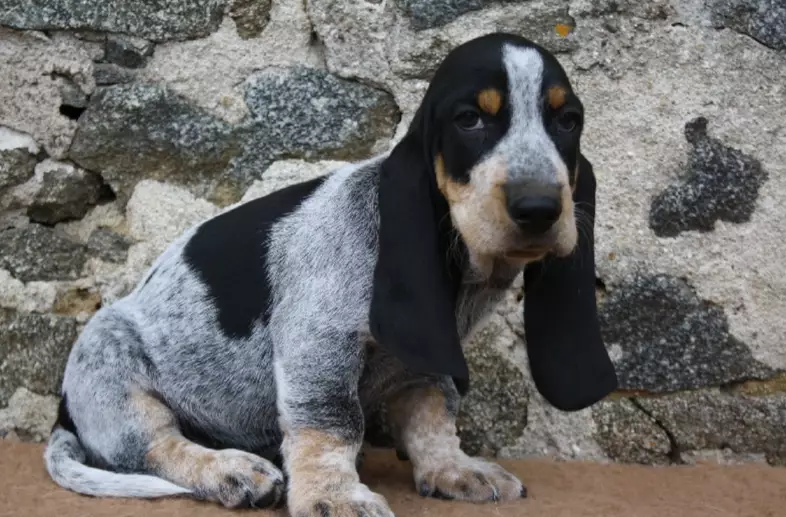
What's Inside This Guide
The Basset Bleu Lifespan: More Than Just a Number
The Top Health Challenges You Need to Watch For
Spinal and Joint Issues: The Big One
Eye Problems
Bloat (Gastric Dilatation-Volvulus)
Other Considerations
Health Condition
Key Symptoms to Watch For
Prevention & Management
Intervertebral Disc Disease (IVDD)
Back pain, reluctance to move, hunched posture, dragging rear legs.
Keep weight low, use ramps for furniture, avoid high-impact play.
Glaucoma
Red, painful eye, cloudiness, sudden vision loss, squinting.
Regular vet eye checks; know the emergency signs.
Bloat (GDV)
Distended abdomen, unproductive retching, restlessness, rapid breathing.
Feed multiple small meals, no exercise after eating, consider a slow-feeder bowl.
Ear Infections
Head shaking, scratching ears, odor, discharge.
Weekly cleaning with a vet-approved ear cleaner.
Obesity
Inability to feel ribs, no waistline, lethargy.
Measure food, limit treats, regular weight checks.
How to Help Your Basset Bleu Live a Longer, Healthier Life
How Does Their Lifespan Compare to Other Dogs?
Your Basset Bleu Lifespan Questions Answered
 So, what is the lifespan of a Basset Bleu de Gascogne? It's a journey of 10 to 14 years, shaped profoundly by the care you provide. It's a commitment to managing their unique structure, being vigilant about their health, and understanding that every choice—from the food bowl to the walking route—adds up. By focusing on prevention, partnership with a good vet, and a deep understanding of their needs, you're not just hoping for a long life with your hound; you're actively building one.
A subtle but crucial tip: Many owners miss the early signs of joint pain because Bleus are often stoic. Watch for changes in behavior, not just limping. Is your dog taking longer to get up in the morning? Hesitating before a jump they used to make? That's your early warning system.
Comment