You've seen the pictures. A dog that looks like a little lamb, all soft curls and gentle eyes. That's the Bedlington Terrier's party trick. But if you bring one home expecting a placid, docile companion, you're in for a shock. The real Bedlington Terrier temperament is a fascinating, complex cocktail of affection, intelligence, and a stubborn streak of independence that's pure terrier. I've lived with them for over a decade, and the number one mistake I see is people buying the look without understanding the heart and mind inside.
What You'll Discover Inside
Beyond the Fluff: The True Bedlington Nature
Let's strip away the sheepdog costume. The Kennel Club breed standard describes them as "dogged and fearless," which is terrier-speak for "stubborn and brave to a fault." This isn't a lapdog bred for centuries of cuddling. Its roots are in the rough mining towns of northern England, where it was a ratter, a hunter, and a tenacious competitor in blood sports. That history is baked into its DNA.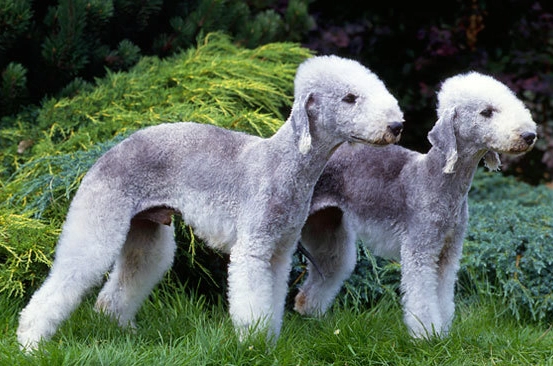
The Bedlington personality is defined by contrasts. They form incredibly deep, loyal bonds with their people—often choosing one person as their absolute favorite. My old boy, Jasper, would follow me from room to room, just to sigh dramatically and plop down at my feet. Yet, they maintain a dignified independence. They'll take affection on their terms. Don't expect a slobbery, in-your-face golden retriever style of love. It's more subtle, a quiet presence and a deep, knowing gaze.
They're also shockingly smart. Not always in an "eager to please" way, but in a problem-solving, "what's in it for me?" way. This intelligence, combined with sensitivity, means they pick up on every mood in the house. Yell at them, and they'll shut down. Be inconsistent, and they'll write their own rules.
The Expert's Reality Check: The biggest misconception is the "lamb" label. It refers solely to their physical appearance, not their personality. A more accurate historical nickname was the "Rothbury Terrier"—a name that carries none of the fluffy, passive connotations. Think of them as a velvety-coated, elegant-minded fox terrier.
Is a Bedlington Terrier a Good Family Dog?
It depends entirely on your family's composition and rhythm. They are not a universal "yes."
The Ideal Bedlington Home
This breed thrives in a calm, predictable environment with older children or adults. They do best with owners who appreciate a thinking dog, who enjoy training as a collaborative puzzle rather than a command-and-obey exercise. A home with a securely fenced yard is non-negotiable—their prey drive is intense. They are superb companions for active singles, couples, or retirees who want a dog to hike with, train with, and share a quiet evening.
Homes That Might Struggle
Families with very young, boisterous children can be a poor fit. Bedlingtons are physically tough but can be emotionally sensitive to loud noises, sudden movements, and rough handling. They may snap if cornered or hurt. Similarly, a chaotic, noisy household will stress them out. They also aren't great for first-time dog owners who want an effortlessly obedient pet. You need some dog-savvy to navigate their quirks.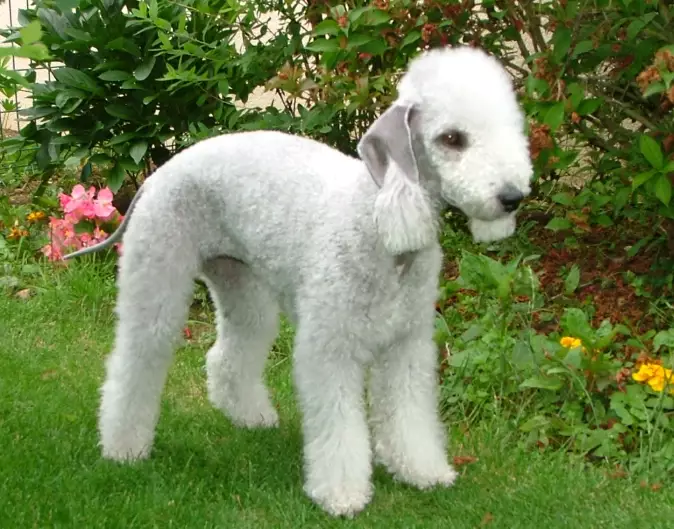
| Pros of the Bedlington Temperament | Cons of the Bedlington Temperament |
|---|---|
| Loyal & Affectionate: Forms incredibly deep bonds with their family. | Stubborn & Independent: Thinks for itself, which can challenge training. |
| Intelligent & Alert: A quick learner and excellent watchdog. | High Prey Drive: Cannot be trusted off-leash near squirrels, cats, or small pets. |
| Generally Quiet: Not a big barker, usually vocalizes with soft grumbles or "talking." | Sensitive: Harsh corrections or a tense home environment can cause shutdowns. |
| Playful & Fun-Loving: Enjoys games and has a silly, clownish side at home. | Can Be Reserved with Strangers: Not inherently aggressive, but aloof until they decide otherwise. |
| Adaptable Energy: Happy with a good walk and can settle indoors nicely. | Prone to Boredom: An under-stimulated Bedlington will find its own (destructive) entertainment. |
How to Train a Bedlington Terrier (It's a Mind Game)
Forget force. Training a Bedlington is about persuasion, motivation, and making them believe an idea was theirs all along. They have what trainers call "low biddability"—they don't live to serve you. Here's what works:
Positive Reinforcement is the Only Way: Treats, praise, play. Find what motivates *your* dog. For some, it's food. For others, it's a favorite toy. Negative methods will make them stubborn, sneaky, or scared.
Keep Sessions Short & Fun: Five to ten minutes, max. Their attention span for repetitive drills is limited. End on a high note with a game.
The Recall Challenge: This is the hardest command. Their instinct to chase is stronger than their desire for a treat when they're in "prey mode." Never trust a Bedlington off-leash in an unsecured area. Practice recall in a boring, enclosed space with incredible rewards. Understand that 90% reliability is a huge success with this breed.
A common struggle? Leash walking. They weren't bred to plod beside someone. Use a harness and practice "look at me" games. If they pull, stop walking. Wait for them to re-engage with you. It's tedious, but it teaches them that pulling gets them nowhere.
Socialization & The Prey Drive Dilemma
Early, positive socialization is critical to prevent shyness or suspicion. Expose your puppy to different people, places, and sounds in a calm, controlled way. The goal is a confident, neutral dog.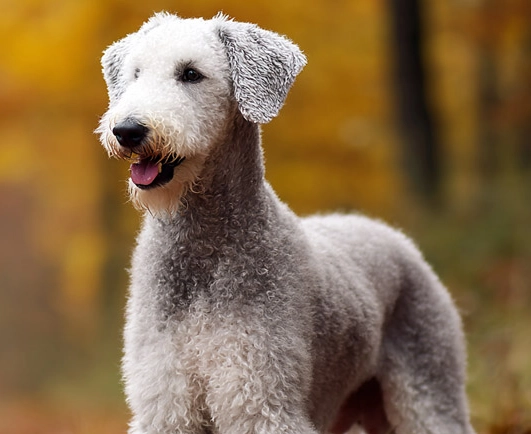
Now, the big one: other animals. The Bedlington Terrier's prey drive is not a training issue; it's hardwired instinct. According to the American Kennel Club's breed description, they were used to hunt vermin. This means:
- Small Pets: Rabbits, guinea pigs, pet birds, and cats (especially running cats) are at extreme risk. Many Bedlingtons cannot live safely with them.
- Other Dogs: They can do well with dogs, especially if raised together. However, same-sex aggression is not uncommon in terriers. Dog park dynamics can be tricky—they might not appreciate being bowled over by a rambunctious lab.
The key is management, not cure. You manage the environment with leashes, crates, and baby gates. You never set them up for failure.
Activity Needs: More Than a Couch Potato
They're not border collies, but they're not decorative pillows either. A bored Bedlington is a recipe for trouble—chewing, digging, barking. Their exercise needs are moderate but must be consistent.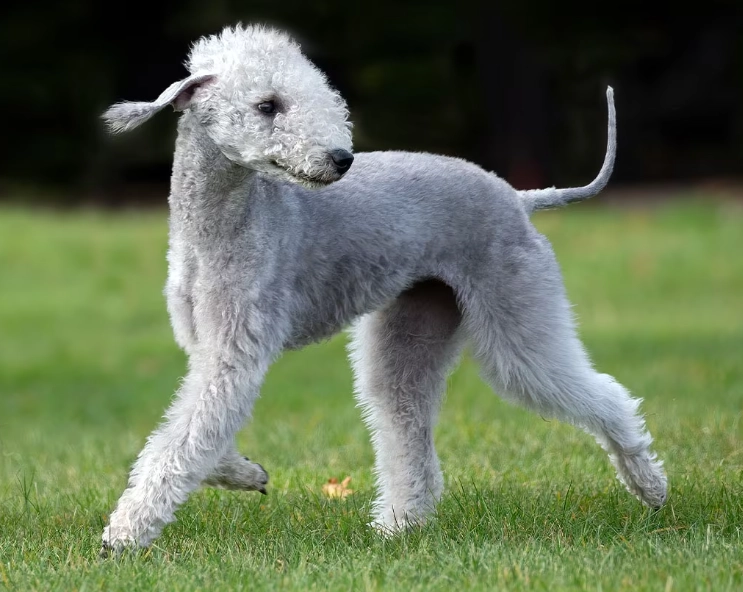
Daily Requirements: Aim for 45-60 minutes of activity. This can be split into two walks plus some playtime. They love a good sniffari—letting them lead the walk and explore with their nose is great mental stimulation.
Mental Exercise is Crucial: This tires them out more than physical exercise. Food puzzles, hide-and-seek games with treats, and learning new tricks are perfect. I taught Jasper the names of his toys, and retrieving the correct one became his favorite brain game.
Sports They Excel At: Their agility and intelligence make them naturals at dog sports like agility, rally, and barn hunt (which taps into that prey drive in a controlled way). It's a fantastic outlet for their energy and mind.
Inside, they are champion snugglers and will happily lounge for hours... after their needs are met. It's that perfect balance for someone who wants a companion for both adventures and Netflix.
Reader Comments