Let's be honest. You're not here for a fluffy, feel-good description of how "smart" and "loyal" Border Collies are. You've heard that a million times. You're here because you've either got one of these canine Einsteins staring you down right now, or you're seriously considering it, and you need the real story. The unvarnished truth about what it's like to live with a brain that's constantly in overdrive, paired with a body that never seems to get the memo that it's time to chill. I've been working with, training, and yes, sometimes just trying to survive alongside Borders for over a decade. I've seen the magic and the mayhem firsthand. This isn't just breed standard info; it's a survival manual and a love letter to the most demanding, rewarding dog you might ever meet.
What's Inside This Guide?
- The Core of the Border Collie Temperament
- Is a Border Collie Right for You? A Lifestyle Compatibility Check
- How to Manage and Train the Border Collie Mind
- Common Border Collie Behavior Challenges and Solutions
- Border Collie Temperament Through Life Stages
- Your Border Collie Temperament Questions, Answered
The Core of the Border Collie Temperament
Forget everything you know about a "normal" dog's motivation. Food? Sure, they like it. Praise? Nice. But for a Border Collie, the ultimate currency is a job well done. Their temperament is a finely tuned system built for one purpose: controlling movement. According to the American Kennel Club breed standard, they are "keen, alert, responsive, and intelligent." That's the polite version. The on-the-ground reality is more intense.
Intelligence That Demands an Outlet
Their intelligence isn't just about learning tricks fast. It's problem-solving intelligence. I've seen a Border Collie figure out how to open a complex latch because the squirrel on the other side of the fence was a "problem" that needed solving. This isn't cute; it's a warning. An idle Border Collie brain will invent its own work, and you probably won't like its job description (chewing baseboards, redecorating your couch, obsessive barking at leaves).
Energy and Drive: The Perpetual Motion Machine
We need to retire the phrase "high energy." It's insufficient. Border Collies have intense, focused drive. It's not just about running; it's about running with purpose. A two-hour walk where they just amble on a leash does little to touch this. They need sprints, direction changes, and tasks that engage their chase circuitry.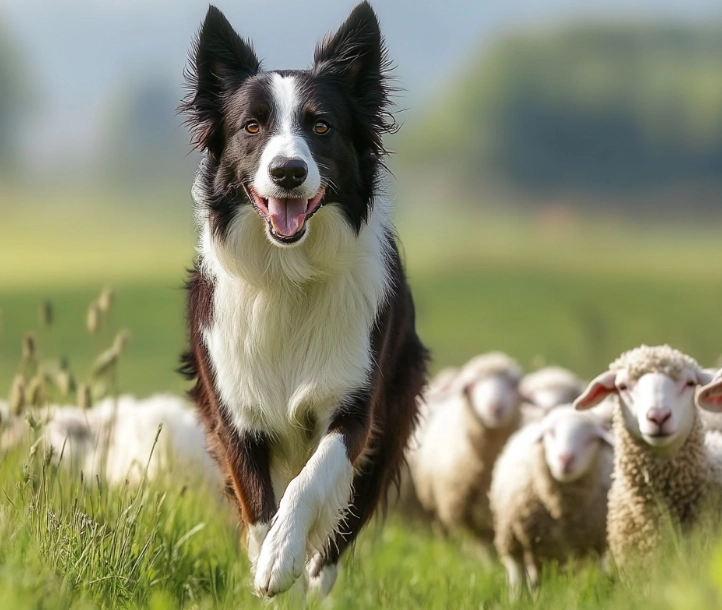
The Herding Instinct: It's Not Just for Sheep
This is the engine room of their temperament. The famous "eye"—that intense, crouching stare—is used to control livestock. In your home, this instinct translates to stalking, circling, and nipping at anything that moves: children, other pets, bicycles, vacuum cleaners. It's not aggression; it's hardwired occupational therapy gone rogue.
Is a Border Collie Right for You? A Lifestyle Compatibility Check
This is the most important section. Getting this wrong is why I've seen too many brilliant Borders end up in shelters or with frustrated owners. Let's run a diagnostic on your life.
| Your Lifestyle | Border Collie Verdict | Why & What You'd Need to Do |
|---|---|---|
| The Couch Potato You work a desk job, love weekend Netflix marathons, and want a snuggle buddy. |
Hard No. A recipe for misery for both of you. | The dog will develop anxiety, destructiveness, and neurotic behaviors. You'll be constantly stressed trying to meet unmet needs. |
| The Active Family You hike most weekends, kids are in sports, and you're generally on the go. |
Maybe, with major caveats. | Physical activity is only 40% of the solution. You must commit to daily structured mental training (10-20 mins of obedience, tricks, puzzle toys). Also, you must manage the herding instinct around kids and other pets. |
| The Dog Sport Enthusiast You're interested in agility, flyball, disc dog, herding trials, or advanced obedience. |
Green Light. This is their ideal habitat. | You have a built-in outlet for their drive. The key is channeling it productively through consistent, positive training. You'll still need to teach an "off switch." |
| The First-Time Dog Owner | Generally not advised, but exceptions exist. | The learning curve is extremely steep. You're learning basic dog ownership and managing a complex temperament. If you're exceptionally dedicated, patient, and can hire a professional trainer from day one, it's possible. |
My personal rule of thumb? Ask yourself: "Am I getting this dog to fit into my life, or am I willing to restructure my life around this dog's needs?" For a Border Collie, the answer must be the latter.
How to Manage and Train the Border Collie Mind
Training a Border Collie isn't about dominance. It's about becoming a trusted partner and providing clear, satisfying work. Here’s where that 10-year perspective kicks in.
Mental Stimulation Beats Physical Exhaustion (Every Time)
The biggest mistake I see? Owners trying to tire the body to calm the mind. You can run a Border Collie for four hours, and after a 20-minute nap, their brain is buzzing again. You've just created a super-athlete with endurance. The real solution is tiring the brain. 15 minutes of learning a new, complex trick or a session of scent work (hiding treats for them to find) will do more to create a calm dog than an hour of fetch.
Structure and Predictability Are Your Best Friends
These dogs thrive on routine. Knowing what comes next (breakfast, then a walk, then a puzzle toy, then a nap) reduces anxiety. Create a daily schedule that mixes physical exertion, mental work, and enforced rest. Yes, you have to teach them to relax. Use a mat or crate for scheduled downtime.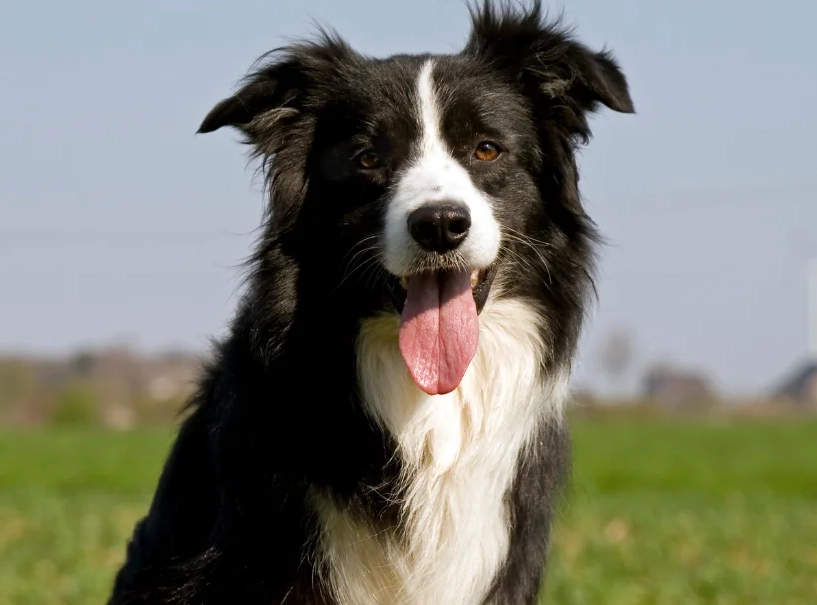
Channel the Herding Instinct Productively
Don't just suppress the drive; give it a job. Herding balls (like Jolly Balls) are fantastic. Treibball (urban herding with giant exercise balls) is a perfect sport. Even teaching a solid recall (come) and directional cues (left, right, go around) taps into this instinct in a way that feels like work to them.
Common Border Collie Behavior Challenges and Solutions
Many "behavior problems" are just normal Border Collie temperament expressed in a human environment. Here’s how to translate and redirect.
Obsessive Staring/Chasing: This is the herding eye turned on you, the cat, or a shadow. Solution: Interrupt the stare with a sound (a kissy noise, clap) before it escalates. Immediately redirect to a trained behavior like a "touch" (nose to your hand) or a retrieve with a toy. You're replacing the self-rewarding stalk with a task you control.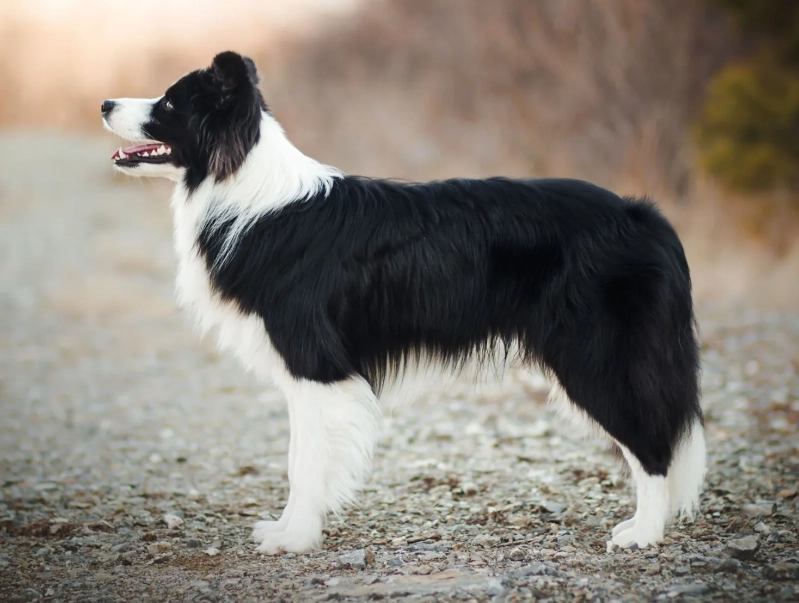
Nipping at Heels: Classic herding behavior, especially with running children. Solution: Teach an incompatible behavior. When the kids run, call your dog to you and have them perform a solid "sit" or "down" for a high-value treat. You're paying them more to watch calmly than to herd.
Hyper-vigilance & Reactivity: They notice everything—a dog three blocks away, a plastic bag in the wind. This can tip into barking or lunging. Solution: This is about building focus on you. Practice "Look at That" (LAT) games. When they see a trigger, you mark the moment they look ("yes!") and reward them for looking back at you. You're teaching them that noticing things is fine, but checking in with you is better.
Destructiveness When Bored: This isn't spite; it's a project. Solution: Management is key. Use crates or puppy-proof rooms when unsupervised. More importantly, provide a smorgasbord of legal chew items (frozen Kongs, bully sticks, yak chews) so they choose those over your furniture.
Border Collie Temperament Through Life Stages
Their personality isn't static. Knowing what to expect helps you prepare.
The Puppy (8 weeks - 6 months): A fluffy shark with a turbocharger. Bite inhibition is CRITICAL. Socialization is about positive exposure, not just meeting every dog. Introduce surfaces, sounds, and people calmly. Start simple mental games like "find the treat" immediately.
The Adolescent (6 months - 2 years): This is the hardest phase. Their brain is fully online, but impulse control is nil. They'll test every boundary. Consistency in training is non-negotiable. This is when many owners give up. Don't. Keep providing structure and outlets. They are like brilliant, rebellious teenagers.
The Adult (2 - 8 years): Peak performance years. If you've laid the groundwork, this is the golden time. They are capable partners in any sport or activity. Their drive is high but more focused. You still must meet their needs, but it becomes a harmonious partnership.
The Senior (8+ years): They slow down physically, but the mind often remains sharp. Arthritis is common. Switch from high-impact running to swimming, longer sniffy walks, and gentler mental games. They may become more clingy. The key is adapting their work to their changing body while still engaging that brilliant mind.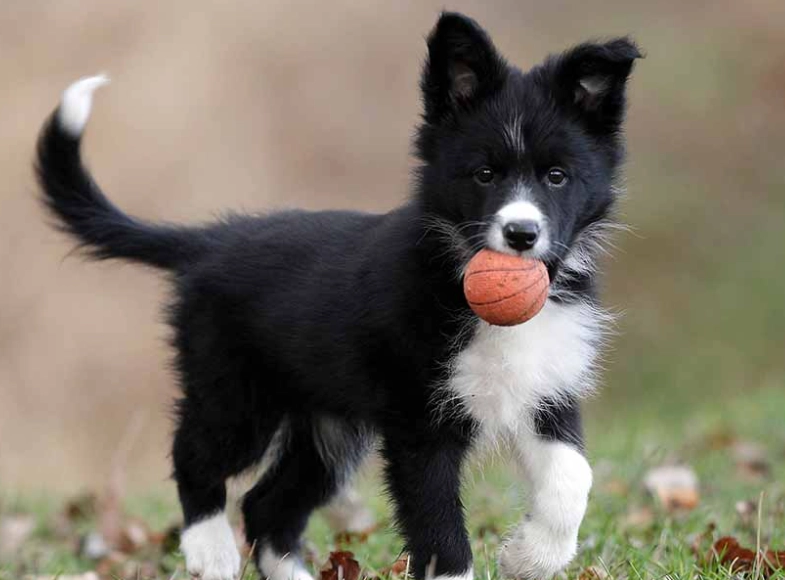
Your Border Collie Temperament Questions, Answered
My Border Collie herds my children when they run. What's the most effective way to stop this?
First, manage the situation: have your kids move calmly around the dog until you've trained an alternative behavior. The core training is to teach your dog a rock-solid "recall" or "place" command using incredibly high-value rewards (boiled chicken, cheese). When play starts, call your dog to you before they start to stalk. Reward heavily for disengaging and staying with you. You're making being with you more rewarding than controlling the kids' movement. It takes time and consistency.
Are male or female Border Collies calmer?
This is less about gender and more about individual personality and breeding lines. I've seen incredibly intense females and mellow males, and vice-versa. A bigger factor is whether the dog is from working or show lines. When choosing a puppy, don't focus on gender; focus on the breeder's assessment of individual puppy temperament (bold, cautious, independent) and match it to your experience level. A reputable breeder is your best guide here.
My Border Collie seems anxious and paces constantly, even after exercise. What am I missing?
You're likely missing two things: 1) Sufficient mental decompression, and 2) Teaching an off-switch. Pacing is often a sign of a mind that can't settle. Add more sniffing activities (scatter feeding in the yard, nose work) which are naturally calming. Then, actively train relaxation. Use a specific mat or bed, lure them into a down, and reward calm behavior with slow, gentle treats. Start with just 30 seconds and build duration. You're conditioning a state of calm as a learned behavior.
Can a Border Collie be a good apartment dog?
It's a huge challenge, but possible with a radical lifestyle commitment. The apartment itself isn't the issue; it's the lifestyle of the person in it. You would need to provide multiple, structured outings every single day—not just potty breaks, but sessions for running (at a dog park or field), training, and sniffing. You must be fanatical about mental enrichment indoors. For most people in apartments, it's an unfair ask of the dog. There are exceptions, but they are just that—exceptions that prove the rule.
Living with a Border Collie is a journey, not a destination. Some days you'll be in awe of their capability. Other days, you'll stare at the chewed-up remote and wonder what you were thinking. But if you commit to speaking their language—the language of work, purpose, and partnership—you'll unlock a relationship with an animal of astonishing depth and intelligence. They don't just want to obey you; they want to understand you. And that makes all the hard work worth it.
Reader Comments