Let's cut to the chase. Is a Bernese Mountain Dog a good house dog? The short answer is a conditional yes, but it hinges entirely on your definition of "house" and your lifestyle. They can be phenomenal family companions, but labeling them as easy, low-maintenance house pets is a disservice to both the dog and the potential owner. I've seen too many of these gentle giants end up in rescues because people fell for the fluffy teddy bear look without understanding the living, breathing commitment behind it. This isn't a breed you just bring home. It's a lifestyle adoption.
What You'll Discover
The Berner Temperament: More Than Just "Gentle"
Everyone talks about the Bernese Mountain Dog's gentle and affectionate nature. It's true. They are often wonderful with children, forming patient, loyal bonds. But here's the nuance most articles miss: their temperament is a package deal. That famous calmness is typically an adult trait. Berner puppies and adolescents are large, clumsy, and can be boisterous. A wagging tail at coffee table height is a weapon of mass destruction.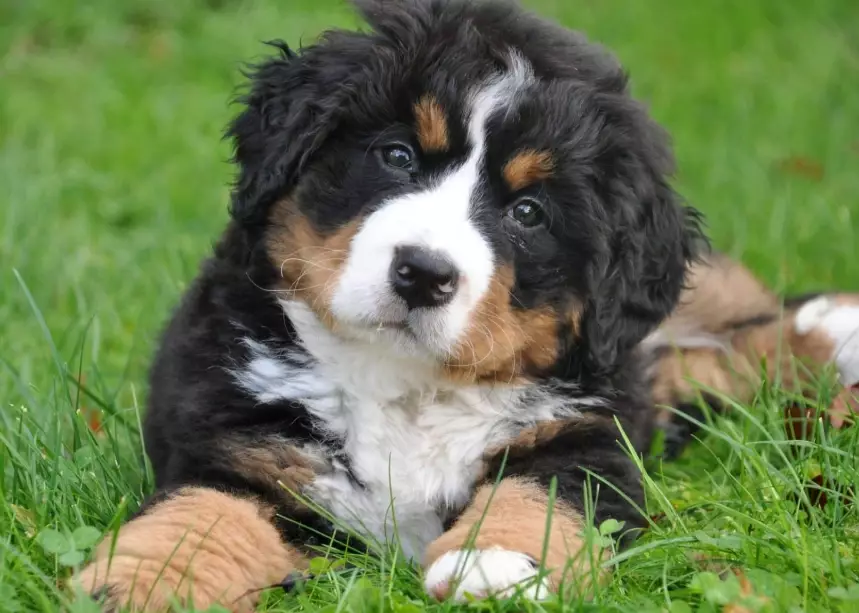
Furthermore, their working heritage means they are intelligent but not necessarily eager-to-please in the same way a Border Collie is. They can have a stubborn, independent streak. Training requires consistency, positive reinforcement, and patience. They are sensitive dogs; harsh methods backfire spectacularly. Their deep bark and imposing size make them good deterrents, but they are not natural guard dogs—most would welcome an intruder with a slobbery kiss.
Space and Exercise Needs: It's Not Just About a Big Yard
This is the biggest make-or-break factor. A common misconception is that a large yard satisfies a Berner's exercise needs. It doesn't. A yard is a bathroom, not a gym. These dogs were bred to pull carts and herd cattle in the Swiss Alps. They need purposeful activity.
What Daily Life Really Looks Like
We're talking about at least 60-90 minutes of daily activity, split into two or more sessions. This isn't a leisurely stroll. It should include brisk walks, hiking, structured play like fetch (though some Berners find it undignified), and mental stimulation. Without it, you risk a bored, destructive, or overweight dog. I knew a Berner who, out of boredom, gently removed every single book from a bottom shelf and piled them neatly in the center of the room. It was creative, but costly.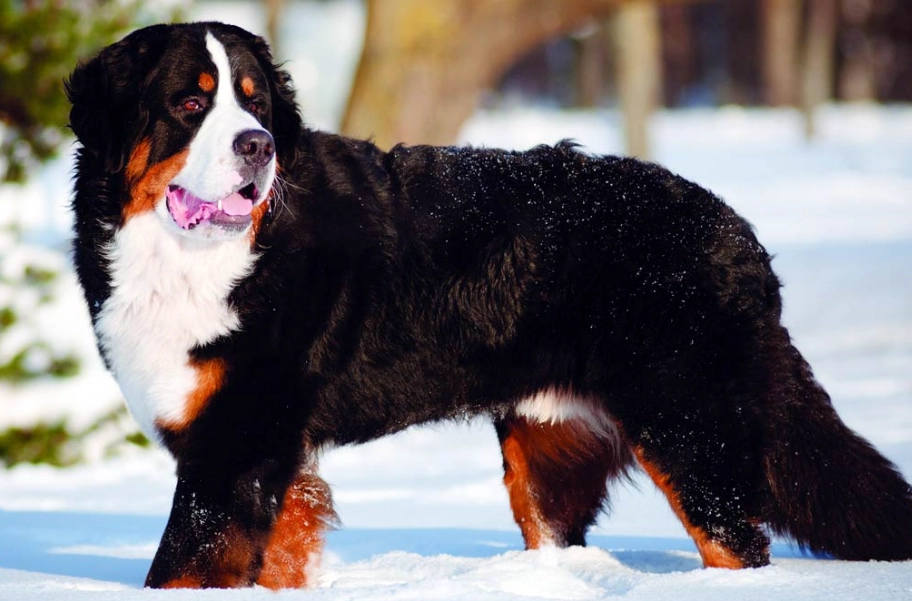
Key Insight: A tired Berner is a good house dog. An under-exercised Berner is a 110-pound problem waiting to express its energy on your couch, walls, or shoes.
Grooming and Shedding: Prepare for a Furry Tornado
If you're not a fan of dog hair, stop right here. Bernese Mountain Dogs have a thick, double coat that sheds—heavily. Twice a year, during "blowout" seasons (spring and fall), it's a blizzard of fur. Daily vacuuming becomes a sport. Regular grooming is non-negotiable, not for aesthetics, but for health and your sanity.
A weekly thorough brushing with an undercoat rake and a slicker brush is the minimum. During shedding season, it's near-daily. This prevents painful mats, especially behind the ears and in the "pants" area, and manages the hair invasion in your home. Many owners find professional grooming every 8-12 weeks a worthwhile investment.
Health Concerns and Lifespan: The Heartbreaking Reality
This is the heaviest part of owning a Bernese Mountain Dog. They are tragically prone to several serious health issues and have a short average lifespan of 7-10 years. This isn't a vague statistic; it's a emotional reality you must prepare for.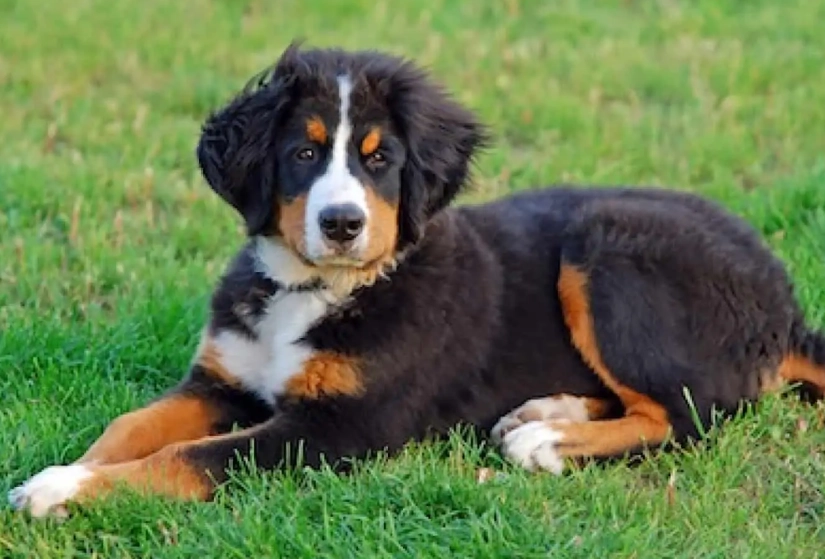
| Health Concern | What It Means | Prevention/Mitigation |
|---|---|---|
| Cancer (Histiocytic Sarcoma) | Alarmingly high incidence rate. A leading cause of death. | Choose a breeder who actively tests and tracks cancer in their lines. Early detection is critical. |
| Hip & Elbow Dysplasia | Malformed joints leading to arthritis, pain, and mobility issues. | Only buy from breeders with OFA/PennHIP certifications for both parents. Manage weight, provide joint supplements. |
| Bloat (GDV) | A life-threatening stomach torsion. Large, deep-chested breeds are high-risk. | Feed multiple small meals, avoid vigorous exercise around meal times, know the emergency signs. |
Pet insurance is not a luxury for this breed; it's a financial necessity. The Bernese Mountain Dog Club of America is an invaluable resource for health information and finding responsible breeders.
Ideal vs. Challenging Home Scenarios
Let's get specific. Who should and shouldn't consider a Berner?
The Ideal Home: An active family with school-aged children (toddlers can be knocked over), living in a house with easy access to trails or parks. Owners who work from home or have flexible schedules. Someone who views grooming as bonding time, not a chore. Financially prepared for high-quality food, routine vet care, and potential major medical bills.
The Challenging Fit: Sedentary individuals or families. Apartment dwellers without a dedicated, rigorous outdoor plan (though it's possible with extreme commitment—more on that below). Neat freaks who can't tolerate hair and drool. First-time dog owners who are unprepared for the size and strength of an adolescent. Anyone on a tight budget.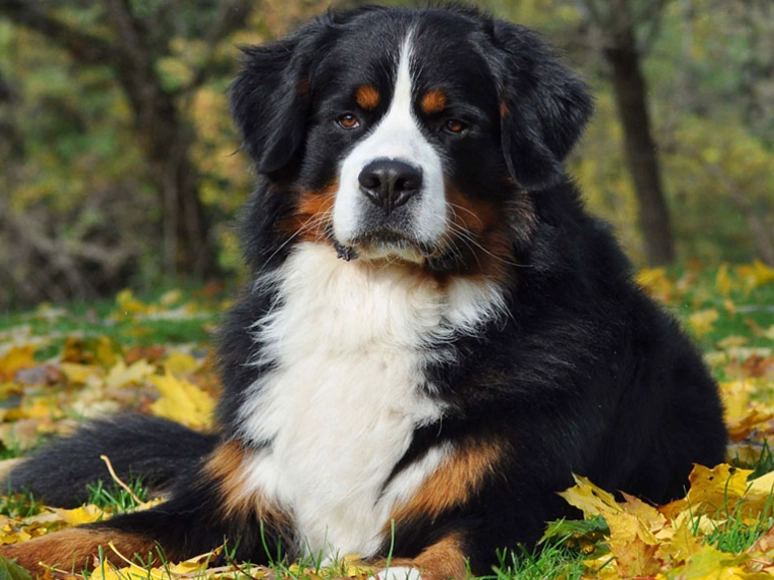
Making It Work: Practical Tips for Success
If you've read this far and are still interested, here's how to tilt the odds in your favor.
- Start with a Reputable Breeder: This is the single most important decision. A good breeder health-tests parents, socializes puppies, and is a lifelong resource. Avoid backyard breeders and pet stores at all costs.
- Obedience Training is Mandatory: Start the day you bring your puppy home. Focus on loose-leash walking and a reliable recall. A pulling 100-pound dog is unmanageable.
- Mental Stimulation is Key: Food puzzles, snuffle mats, nose work, and short training sessions tire their brains as much as physical exercise.
- Create a Hair Management System: Invest in a great vacuum (like a Roomba and a heavy-duty upright), use washable couch covers, and keep lint rollers in every room.
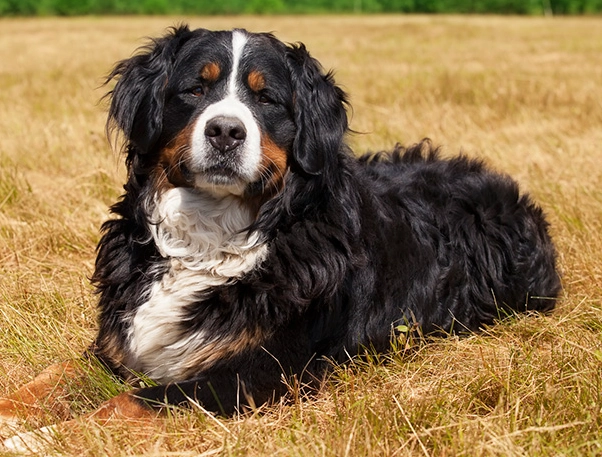
Can a Bernese Mountain Dog Live in an Apartment?
It's a huge challenge, but not impossible with Herculean effort. The apartment must not be the constraint for their exercise. You must commit to multiple long walks and daily trips to a dog park or secure area for off-leash play. Mental enrichment indoors becomes critical. A ground-floor unit or easy elevator access is a must. Your neighbors must be tolerant of occasional deep barks. It's a lifestyle of constant, proactive management.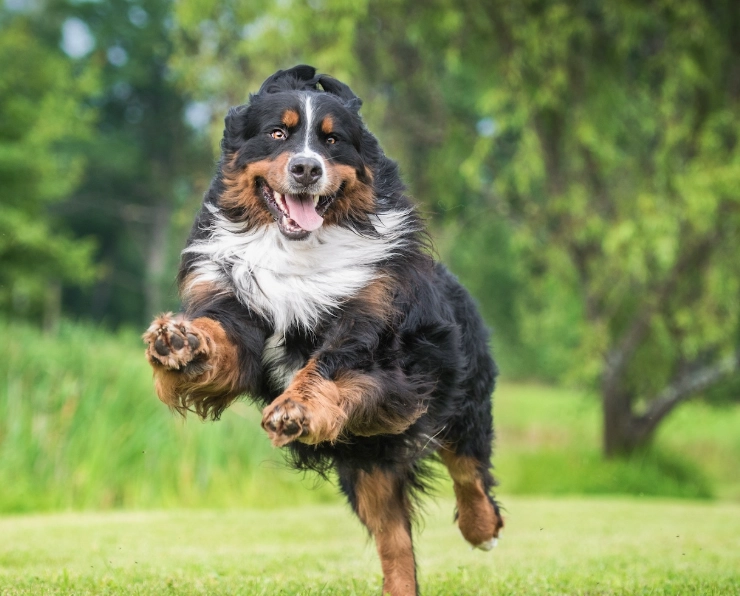
Your Burning Questions Answered
So, is a Bernese Mountain Dog a good house dog? For the right person or family—one that is active, patient, financially secure, and emotionally prepared for the journey's heartaches alongside its immense joys—they can be an unbelievably rewarding companion. They fill a home with love, loyalty, and yes, a lot of hair. But bringing one into your life is a major decision. Look past the Instagram photos. Be brutally honest about your lifestyle. If you can meet their needs, you'll gain a friend whose impact will last far longer than their years.
Reader Comments