Let's cut to the chase. If you're looking up Boykin Spaniel size, you're probably trying to figure out one of two things: will this dog physically fit in my house (and car, and life), and does their energy level match their stature? The official numbers from the American Kennel Club tell part of the story—males 15.5-18 inches tall, 30-40 pounds; females 14-16.5 inches, 25-35 pounds. But those numbers are almost meaningless without context.
I've seen too many people get a Boykin because they're labeled a "medium" dog, only to be shocked by the whirlwind of muscle and drive that moves in. Their size is deceptive. They're compact, yes, but built like a canine athlete. This isn't a dog that just *is* a certain size; it's a dog whose size is a direct instruction manual for an active lifestyle.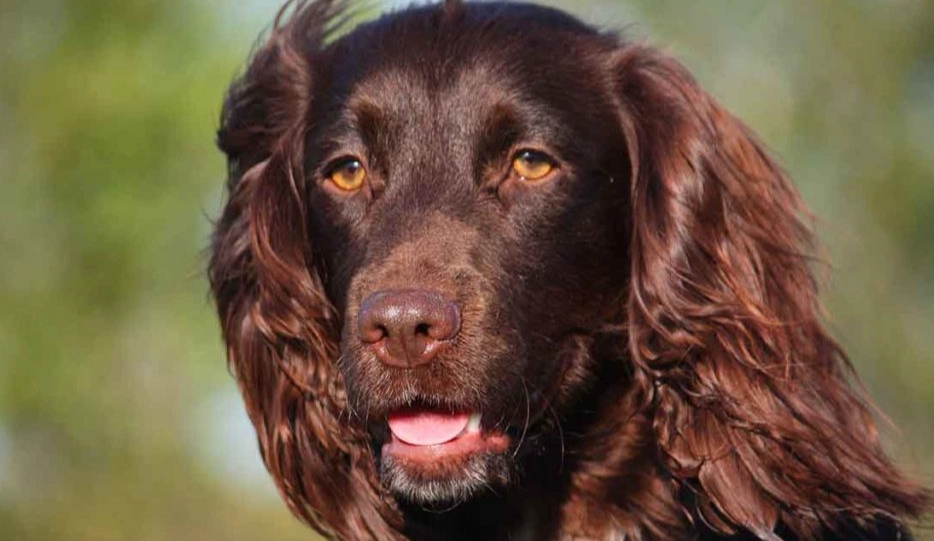
What's Inside This Guide?
The Official Size Range: More Than Just Numbers
The breed standard gives us a framework. According to the AKC and the Boykin Spaniel Club, here's the expected size for a healthy, well-bred adult.
The Bottom Line: A full-grown Boykin Spaniel is a solidly built, medium-sized dog. Think less "lanky retriever" and more "dense, powerful spring." They are longer than they are tall, giving them a low center of gravity perfect for scrambling into boats or through underbrush.
But here's the nuance most articles miss: the weight range is huge. A 25-pound female and a 40-pound male are in the same breed, but they feel like different dogs. That 15-pound spread is the difference between a dog you can easily lift into an SUV and one that requires a bit more heft. When talking to breeders, don't just ask for "a puppy." Ask about the size of the dam and sire. If you live in a small apartment, a pup from smaller parents might be a better fit.
Why "Medium" Can Be Misleading
Calling a Boykin a "medium-sized dog" is technically accurate but practically vague. In the dog park, they're often smaller than Labradors but denser and more robust than Cocker Spaniels. Their "medium" comes with a caveat: it's packed with energy. A sedentary 35-pound Bulldog takes up space. A 35-pound Boykin uses all that mass for propulsion. They don't just occupy a room; they dynamize it.
Boykin Spaniel Growth Timeline: From Fluffy Puppy to Sturdy Adult
Watching a Boykin grow is fascinating. They don't just get bigger; they transform from clumsy pups into coordinated powerhouses. Here's a rough timeline based on my experience and common breeder observations.
0-6 Months (The Rapid Growth Phase): This is where most of the height is gained. Your puppy will seem all legs and ears one week, then fill out the next. They'll reach about 75% of their adult height by 6 months. Don't be fooled by the puppy clumsiness—their joints are developing, so avoid forced running on hard surfaces.
6-12 Months (Filling Out): The vertical growth slows, but the dog starts to gain muscle and chest depth. This is when the "Boykin shape" really emerges. They'll approach their adult weight, but may still be a bit lean. Their energy, however, is already at 100%.
12-18 Months (Maturing): Most Boykins are considered fully grown in size by 18 months. Some males might add a little more muscle mass up to 2 years. This is when their chest broadens fully, and they achieve that characteristic sturdy, balanced look.
A common mistake new owners make is overfeeding during the 6-12 month phase, thinking a heavier puppy is healthier. But excess weight on developing joints is a major risk for future problems. You should be able to easily feel their ribs under a thin layer of muscle. If you can't, talk to your vet about adjusting their diet.
Size in Context: Boykin vs. Other Popular Breeds
It's easier to understand dimensions when you have a point of comparison. Let's put the Boykin Spaniel next to some other common family and sporting dogs.
| Breed | Average Height (Male) | Average Weight (Male) | Key Size Takeaway vs. Boykin |
|---|---|---|---|
| Boykin Spaniel | 15.5-18 inches | 30-40 lbs | -- |
| Labrador Retriever | 22.5-24.5 inches | 65-80 lbs | Significantly taller and heavier. A Lab can be twice the weight of a large male Boykin. |
| Cocker Spaniel | 14.5-15.5 inches | 25-30 lbs | Similar weight range, but often lighter-boned and with a different, more refined structure. |
| English Springer Spaniel | 20 inches | 50 lbs | Taller and rangier. The Springer is built more for endurance running, the Boykin for compact power. |
| Brittany | 17.5-20.5 inches | 30-40 lbs | Similar weight, but the Brittany is leggier and more square-proportioned. |
This table shows the Boykin's niche. They are the most compact of the classic flushing spaniels/retrievers. That compactness was bred for a reason: to fit in the small boats used for hunting in the South Carolina swamps. That historical purpose translates directly to a modern advantage—they are a highly portable sporting dog.
What Factors Determine Your Boykin's Final Size?
Not every Boykin hits the textbook average. Several factors play a role.
Genetics is King. This is the biggest one. The size of the parents is your single best predictor. Reputable breeders should be transparent about this. If both parents are on the smaller end of the standard, expect smaller puppies.
Nutrition. A puppy fed a balanced, high-quality diet appropriate for medium-breed growth will reach its genetic potential. Poor nutrition can stunt growth, while overfeeding can lead to excessive weight gain that's mistaken for healthy size.
Gender. As with most breeds, males are typically, but not always, larger and heavier-boned than females. The difference is usually noticeable by 6 months.
Health. Underlying health issues, especially those affecting the gut or hormones, can impact growth. Regular vet check-ups are crucial.
I remember a friend's Boykin who was the runt of the litter and stayed surprisingly small, barely 24 pounds. She was perfectly healthy, just petite. Her small size made her incredibly agile, but it didn't diminish her drive one bit. She could still hunt all day. It taught me that within the standard, there's a wonderful variety.
The Real-World Impact: Does a Boykin's Size Fit Your Life?
This is the heart of the matter. Let's move past measurements and talk about living space, cost, and logistics.
Apartment Living with a Boykin Spaniel
Can it work? Yes, but with a massive asterisk. Their physical size is apartment-friendly. Their energy level is not. A Boykin in an apartment isn't about square footage; it's about access to vertical space (stairs for exercise) and, more importantly, immediate and guaranteed access to outdoor exertion.
You'll need a firm routine: a long, sniff-filled walk in the morning, a vigorous play session or run at a dog park at lunch or after work, and another walk in the evening. Without this, their pent-up energy will express itself through chewing, barking, or obsessive pacing. They are not couch potatoes that happen to be medium-sized.
Car Travel and Portability
This is where their size shines. A Boykin fits comfortably in the back seat of most sedans, in a crate in an SUV, or even on the floor of a fishing boat. They are easy to lift, which is a blessing as they age and may need help jumping in. Compared to a 70-pound Labrador, the travel logistics are simpler and cheaper.
Cost Implications of Size
Medium size generally means medium costs, but it's not linear.
- Food: They eat less than a large breed, so monthly food costs are moderate.
- Preventative Meds: Flea, tick, and heartworm medication is typically dosed by weight, so a 35-pound dog is cheaper to protect than a 60-pound one.
- Boarding/Grooming: Many facilities charge by size or weight. A Boykin often falls into a lower price bracket than retrievers.
- Potential Health Costs: Their compact, muscular build can predispose them to certain issues like hip dysplasia (though good breeders screen for this) or knee problems (luxating patella). Insurance or a savings fund is wise.

Reader Comments