Quick Guide
- Meet the Family: A Tour of Popular Mastiff Breeds
- Is a Mastiff Right For YOU? The Unflinching Self-Checklist
- Life With a Gentle Giant: Daily Realities & Care Secrets
- Navigating the Health Landscape: What to Watch For
- Your Mastiff Questions, Answered Honestly
- Final Thoughts: A Commitment Like No Other
Look, I get it. You see a picture of a massive, wrinkly-faced Mastiff looking like a living teddy bear, and your heart melts. The idea of a loyal, calm giant sharing your couch is incredibly appealing. I've been there. Before I got my first English Mastiff, Baxter, I was full of that same romantic vision. Let me tell you, the reality is both more wonderful and more challenging than any picture can show. This isn't just another fluffy dog breed list. This is a straight-talk guide about Mastiff breeds, written for someone who's seriously considering sharing their life, their space, and their bank account with one of these magnificent creatures.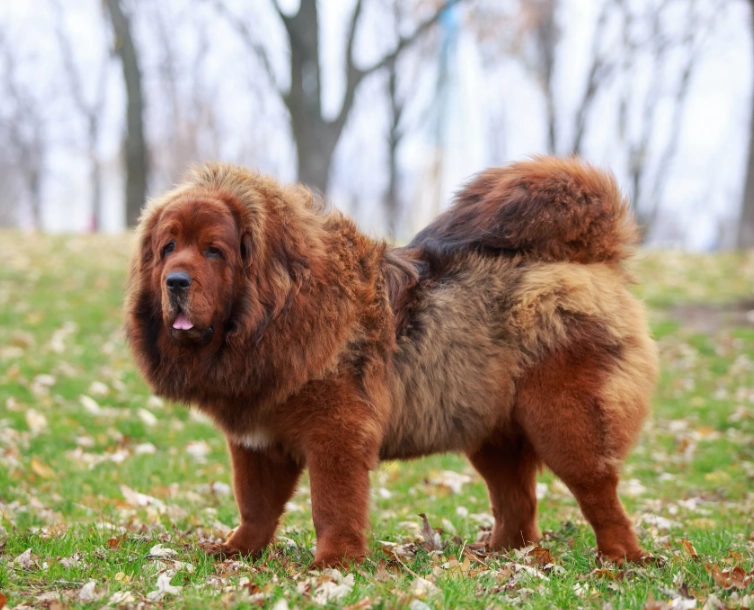
The term "Mastiff" often gets tossed around to mean just the English Mastiff. But that's like saying "car" when you could mean a sedan, an SUV, or a truck. The world of Mastiff dog breeds is surprisingly diverse. From the iconic droopy-faced English to the lion-colored Tibetan, each has its own history, personality quirks, and care needs. Choosing the right one isn't about picking the prettiest; it's about finding the personality and lifestyle fit that won't leave you overwhelmed.
Let's be brutally honest upfront: Mastiffs are not for everyone. They eat a lot. They drool—oh, the drool. You'll find it on your ceiling, I promise. Vet bills can be significant. They take up your entire hallway when they lay down. If you're looking for a low-maintenance, cheap-to-keep, tidy apartment dog, stop reading now. Seriously. But if you have the space, the patience, and the heart for a deeply affectionate, sometimes goofy, profoundly loyal companion, then welcome. Let's dive in.
Meet the Family: A Tour of Popular Mastiff Breeds
Understanding the differences between the various Mastiff breeds is your first crucial step. They all share a common ancestry of large, guardian-type dogs, but centuries of selective breeding have carved out distinct personalities.
The Heavyweight Champion: English Mastiff
This is the classic. The one most people picture. Massive bone, a short coat in fawn, apricot, or brindle, and a solemn, gentle expression. Their personality is typically a beautiful contradiction: incredibly imposing in size but often described as a "heart of gold." They are calm, courageous, and deeply devoted to their family. They're not big on endless fetch sessions; their idea of exercise is a leisurely walk followed by a long nap. But don't mistake their calmness for dullness. My Baxter had a habit of sighing so dramatically you'd think his world was ending, just because I took the last bite of my sandwich.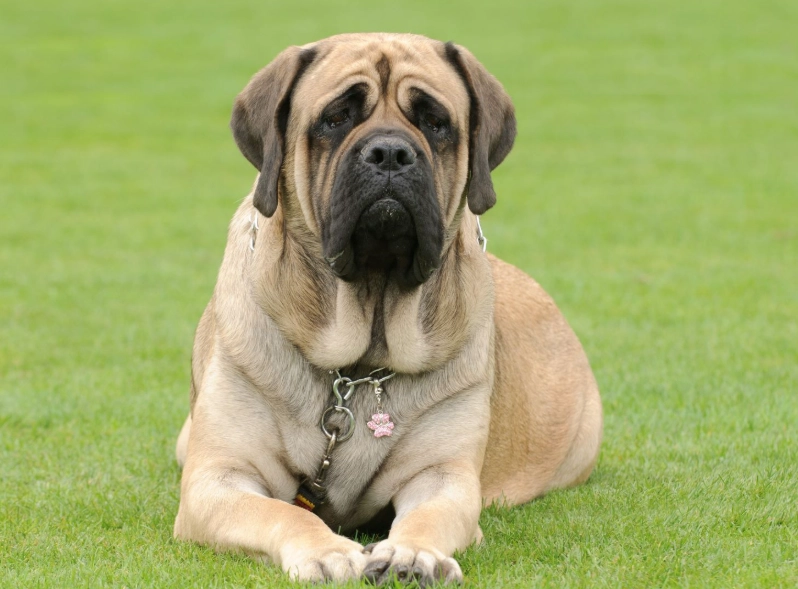
Potential drawbacks? Their size comes with a shorter lifespan, typically 6-10 years. They are prone to bloat (a life-threatening stomach condition), hip dysplasia, and heart issues. That calm nature can tip over into stubbornness during training if you're not consistent from puppyhood.
The Ancient Guardian: Tibetan Mastiff
If the English Mastiff is a serene philosopher, the Tibetan Mastiff is a nomadic warrior monk. Bred to guard flocks and monasteries in the Himalayas, they are more independent, more aloof with strangers, and have a stronger protective instinct. That magnificent lion-like mane is stunning, but it requires serious grooming commitment. They are not a breed for novice dog owners. They need someone who understands canine psychology and can provide firm, respectful leadership. They tend to be more nocturnal and can be quite vocal, with a deep, booming bark that sounds like it comes from the depths of a mountain.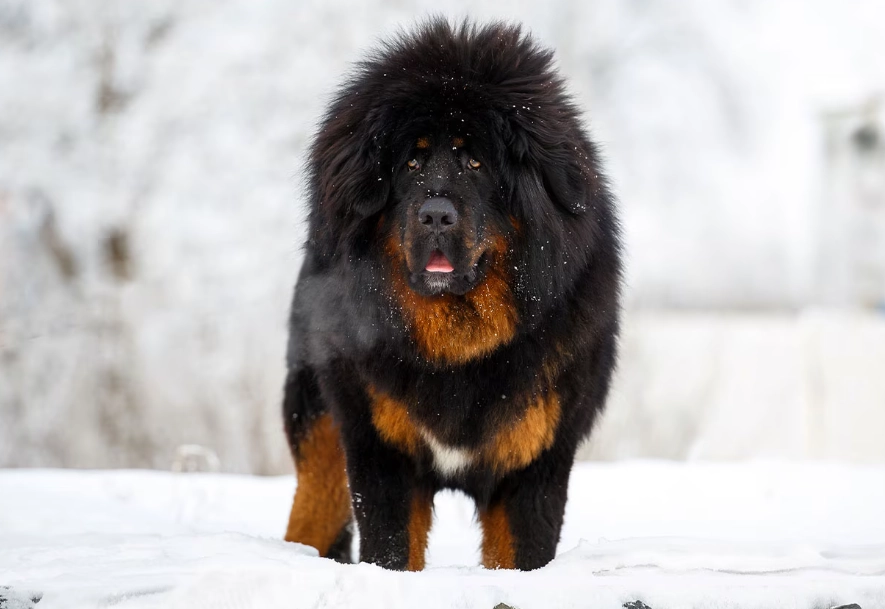
The Gentle Workhorse: Bullmastiff
Developed in 19th-century England by gamekeepers to silently tackle poachers, the Bullmastiff is a cross between the English Mastiff and the Old English Bulldog. The result? A slightly more agile, slightly less massive dog with a fearless but controlled temperament. They are incredibly loyal family dogs, often forming a special bond with one person. They have a shorter coat that's easier to manage than the Tibetan's, but they still drool their fair share. They can be a great "middle ground" Mastiff—still huge and powerful, but often a bit more active and easier to handle than the largest English specimens.
The Continental Cousins: Dogue de Bordeaux & More
We can't forget the French cousin, the Dogue de Bordeaux, with its unmistakable red mask and expressive face. They are incredibly affectionate and bond intensely with their families, but they share many of the same health concerns. Then there are other Mastiff dog breeds like the Spanish Mastiff, the Neapolitan Mastiff with its excessive skin folds, and the Italian Cane Corso, which is often classified as a Mastiff-type breed. Each has its niche.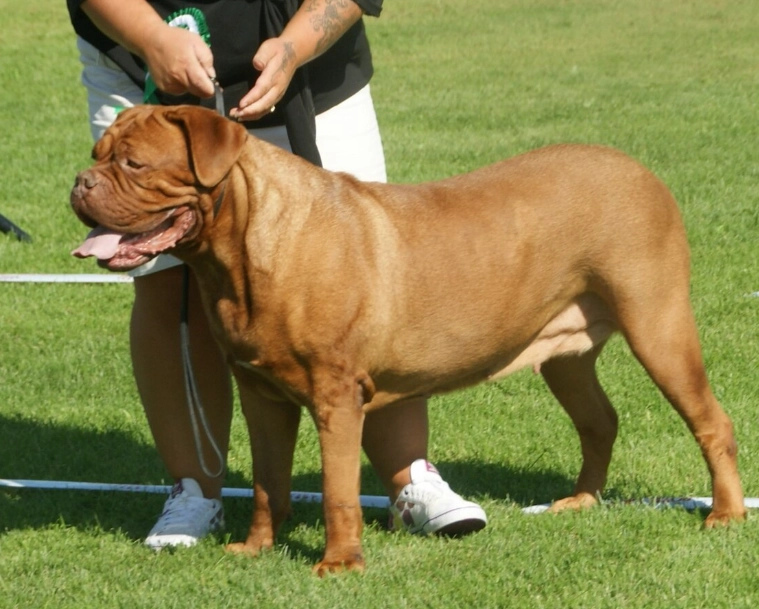
How do you even begin to compare them? A table might help sort the basics.
| Breed | Average Weight (Male) | Key Personality Trait | Exercise Need | Grooming Level | Good for Novice Owners? |
|---|---|---|---|---|---|
| English Mastiff | 160-230 lbs | Calm, Gentle, Devoted | Low to Moderate | Low (but drool is high) | With careful preparation |
| Tibetan Mastiff | 90-150 lbs | Independent, Protective, Aloof | Moderate to High | Very High (daily brushing) | No |
| Bullmastiff | 110-130 lbs | Fearless, Loyal, Reserved | Moderate | Low | Better than most, but still a commitment |
| Dogue de Bordeaux | 110-145 lbs | Affectionate, Patient, Stubborn | Low to Moderate | Low (significant drool) | With experienced guidance |
See what I mean? Picking a Mastiff breed isn't one-size-fits-all. That Tibetan needs a job and space to patrol; the English just needs your company and a soft bed.
Is a Mastiff Right For YOU? The Unflinching Self-Checklist
Okay, you're drawn to a specific breed. Now comes the hard part: looking in the mirror. This is where dreams meet reality. Ask yourself these questions honestly.
Space: Do you have a house with room for a small horse to turn around? A securely fenced yard (6-foot minimum, no exceptions) is non-negotiable for safety and exercise. Apartment living with a Mastiff is a huge challenge, though not impossible with extreme dedication to multiple daily walks.
Time: These aren't "leave alone for 10 hours" dogs. They crave companionship. Puppies need constant supervision and intensive socialization. Adults need your time for training reinforcement, bonding, and just being together. They also age quickly; you'll be managing the needs of a senior dog by the time they're 6 or 7.
Budget: Let's talk numbers, because this is a major point. A puppy from a reputable breeder who does full health testing can cost $1,800 to $3,000+. Then the ongoing costs: food (a 40-50 lb bag of quality large-breed kibble lasts maybe 3 weeks), preventatives, toys built for power chewers. But the big one is veterinary care. X-rays, surgeries, medications—everything costs more because everything is bigger. Pet insurance is not a luxury; it's a financial survival tool. A single emergency surgery for bloat or a torn ligament can easily exceed $5,000.
I remember the first time I bought food after Baxter came home. I loaded two 40-pound bags into my cart, and the cashier asked if I ran a kennel. Nope, just one dog, I said. The look on her face was priceless. You get used to it.
Lifestyle: Are you active and outdoorsy? A Bullmastiff might keep up on hikes better than an English. Do you have frequent guests? Some Mastiff breeds like the Tibetan are naturally wary of strangers and need careful management. Do you have young children? Most Mastiffs are wonderfully patient with kids, but their sheer size is a hazard—a happy tail whip can clear a coffee table. Supervision is always key.
Your Personality: Are you calm, confident, and consistent? Mastiffs sense anxiety and uncertainty. They need a leader, not a dictator. Yelling and harsh methods will backfire spectacularly. You need patience the size of, well, a Mastiff.
Life With a Gentle Giant: Daily Realities & Care Secrets
You've passed the self-test. Let's talk about what day-to-day life actually looks like. This is the nitty-gritty they don't always show on Instagram.
Feeding & Nutrition: It's a Science
Feeding a giant breed puppy is critical for proper joint development. You must use a large-breed puppy formula that controls calcium and calorie levels to prevent overly rapid growth. Overfeeding or using the wrong food can lead to devastating skeletal problems later. Most breeders and vets recommend keeping them on the leaner side. Multiple smaller meals a day are better than one huge one to help prevent bloat. And yes, you'll need a raised feeder to make eating more comfortable and reduce air swallowing.
Grooming: It's Not Just Brushing
The short-coated Mastiff breeds are fairly easy in terms of brushing—a weekly rubber curry brush does the trick. But grooming is about so much more.
- The Wrinkle Care: For breeds like English Mastiffs and Dogues, those adorable facial folds are moisture and bacteria traps. You must clean and dry them every single day with a gentle wipe to prevent painful infections. Neglect this, and you'll have a smelly, sore dog.
- The Drool Management: Keep "slobber rags" strategically placed around the house—by doors, near the water bowl, on the couch arm. You'll use them constantly. After they drink, it's a waterfall. When they're excited, it flies. You learn to duck.
- Nail Trimming: Their nails are thick and grow fast. Getting them used to handling their paws early is essential. Long nails alter their gait and can contribute to joint stress.
Training & Socialization: The Non-Negotiables
Training a 20-pound puppy is cute. Training a 20-pound puppy who will soon be 180 pounds is an absolute necessity. Basic obedience—sit, stay, come, loose-leash walking—is for safety, not parlor tricks. You cannot physically manhandle an adult Mastiff who doesn't want to do something. Motivation through positive reinforcement (treats, praise) is the only way that works long-term.
But even more important than "sit" is socialization. This doesn't mean just meeting people. It means exposing your puppy positively to every sight, sound, and surface you can imagine: traffic, wheelchairs, umbrellas, men with hats, children screaming, other dogs, vacuum cleaners. The goal is a confident, well-adjusted adult who isn't fearful or reactive. The American Kennel Club has an excellent resource on puppy socialization that's worth bookmarking.
Start the moment you bring your puppy home. A fearful or poorly socialized giant dog is a liability and a tragedy waiting to happen.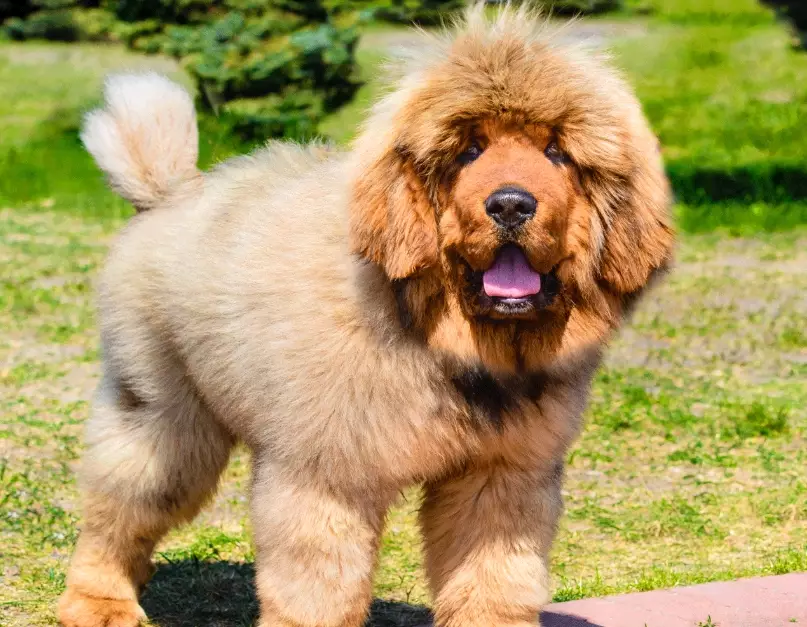
Navigating the Health Landscape: What to Watch For
Loving a Mastiff means being proactive about their health. Knowledge is power here. Reputable breeders will screen their breeding stock for common genetic issues. You should ask to see the results of these tests from organizations like the Orthopedic Foundation for Animals (OFA). Common health screenings include:
- Hip and Elbow Dysplasia (X-rays)
- Cardiac Exam (for heart conditions)
- Ophthalmologist Evaluation (for eye issues)
- Sometimes Thyroid and Autoimmune panels
Let's talk about the big one: Bloat (Gastric Dilatation-Volvulus or GDV). This is when the stomach fills with gas and twists on itself, cutting off blood supply. It's a true emergency with a high mortality rate. Symptoms include unproductive retching, a distended abdomen, restlessness, and excessive drooling. Prevention strategies include feeding multiple small meals, using a slow-feed bowl, preventing vigorous exercise around mealtimes, and knowing the location of your nearest 24-hour emergency vet. Some owners opt for a preventive gastropexy surgery when the dog is spayed/neutered, which tacks the stomach to the body wall to prevent twisting.
Other common issues include joint problems (arthritis is almost a given in senior years), certain cancers, heart conditions like dilated cardiomyopathy, and eyelid problems (entropion, ectropion). Having a good relationship with a vet experienced with giant breeds is crucial.
Your Mastiff Questions, Answered Honestly
Are Mastiffs good with children and other pets?
Generally, yes, they have a famously gentle and patient temperament with their family. But "good with" doesn't mean "should be left unsupervised with." Their size alone makes accidents possible. Early socialization with kids and other animals is key. They often do fine with the family cat they grew up with but might see a neighbor's cat as a trespasser. Their prey drive is usually low, but it varies by individual and breed (Tibetans can have a higher drive).
How much exercise do they really need?
Less than you think, but more than just a quick bathroom break. Most adult Mastiff dog breeds are satisfied with two 20-30 minute walks a day and some playtime in the yard. Puppies need controlled, short bursts of activity to protect their joints—no forced running on hard surfaces. They are prone to overheating in warm weather, so exercise should be during cooler parts of the day. Their main need is mental stimulation and companionship, not marathon running.
Are they easy to train?
I wouldn't use the word "easy." They are intelligent but can be willful and independent (especially breeds like the Tibetan). They respond poorly to repetition and boredom. Training sessions need to be short, positive, and rewarding. They mature slowly mentally, so puppy-like behaviors can last until they are 2-3 years old. Consistency is everything. If you let them pull on the leash as a puppy because it's cute, you will not be able to hold them back as an adult.
What's the biggest challenge of owning a Mastiff?
For me, it's the lifespan. You pour your heart into this incredible creature, and you get maybe 8-10 years if you're lucky. The heartbreak is proportional to their size. The drool and the cost are inconveniences. The relatively short time you have with them is the real, gut-wrenching challenge.
Should I get a male or a female?
This is more about individual personality than gender. Some say males are goofier and more attached, females more independent and sometimes more protective. I've had both and loved them differently. Your breeder's assessment of the puppy's temperament will be more valuable than its sex. Spaying/neutering is a must unless you are an ethical breeder, and timing is important for joint health—your vet can advise on the best schedule.
Final Thoughts: A Commitment Like No Other
Choosing to live with one of the Mastiff breeds is a monumental decision. It's messy, expensive, and space-consuming. You will rearrange your life, your furniture, and your finances.
But.
You will also gain a companion whose love is as enormous as they are. There is nothing quite like the feeling of a giant head resting trustingly in your lap, or the sight of that massive body positioned between you and the front door, keeping watch. The quiet contentment they bring to a home is profound. They teach you patience, consistency, and the true meaning of gentle strength.
If, after all this, you're still nodding your head and thinking, "Yes, this is for me," then you might just be the right person for a Mastiff. Do your homework. Find a reputable breeder who prioritizes health and temperament above all else, or consider rescuing an adult from a Mastiff-specific rescue organization. Go in with your eyes wide open, prepared for the challenges and ready for the immense rewards. Welcome to the club of those loved by a giant.
For more detailed information on specific breed standards and health initiatives, visiting the parent club websites is invaluable. For the English Mastiff, the Mastiff Club of America is an excellent resource. For the Tibetan Mastiff, check out the American Kennel Club's breed page as a starting point.
Reader Comments